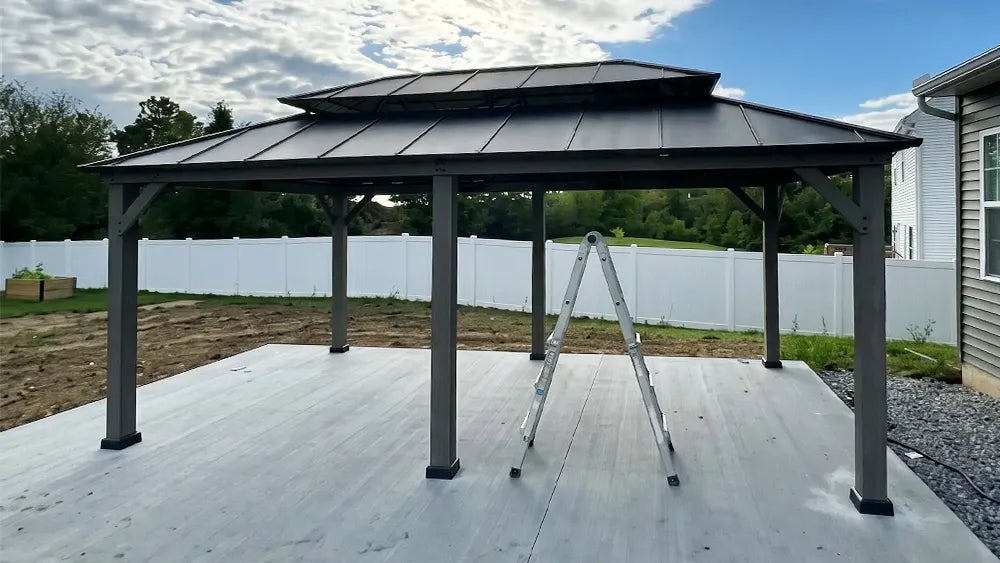
Enhancing your backyard with a gazebo, pergola, or carport can elevate your outdoor living experience, offering comfort, shade, and a stylish focal point. However, before you start construction, it’s critical to understand whether a permit is required. Permits are more than red tape—they protect you, your guests, and your property investment. This guide provides a comprehensive look at when permits are necessary and how to navigate the process effectively.
Understanding Permit Types for Outdoor Structures
Homeowners often confuse the term "permit" with a single approval, but in reality, there are several types:
1. Building Permits
Building permits ensure that your structure is safe and compliant with engineering standards. Inspectors review materials, anchoring, and roof strength to confirm the structure can withstand wind, snow, or other environmental stresses.
2. Zoning Permits
Zoning permits focus on land use. They regulate where a structure can be placed on your property to prevent encroachment on neighbors, easements, or setback violations. Even small structures often require zoning compliance.
3. Electrical and Plumbing Permits
If you plan to add ceiling fans, lighting, or an outdoor kitchen, standard building permits may not cover electrical or plumbing work. These require separate permits to ensure safety and compliance with modern codes.
Innovation Tip: Consider modular or pre-drilled structures that simplify assembly while remaining compliant with load-bearing and spacing standards.
Do You Need a Permit for a Gazebo?
Gazebos are often seen as decorative, but their footprint and height determine permit requirements:
- Small Gazebos (<120 sq. ft.): Often classified as temporary or accessory structures; may not require a formal building permit.
- Large Gazebos (>120 sq. ft.): Considered permanent additions. Size, height, and roof type can trigger building permits.
- Ceiling Hooks and Accessories: Adding features such as heavy lights, fans, or netting may require additional approval.
Example: A 13x11 ft. hardtop gazebo usually exceeds the threshold for exemption and will likely require both building and zoning permits.
Do You Need a Permit for a Pergola?
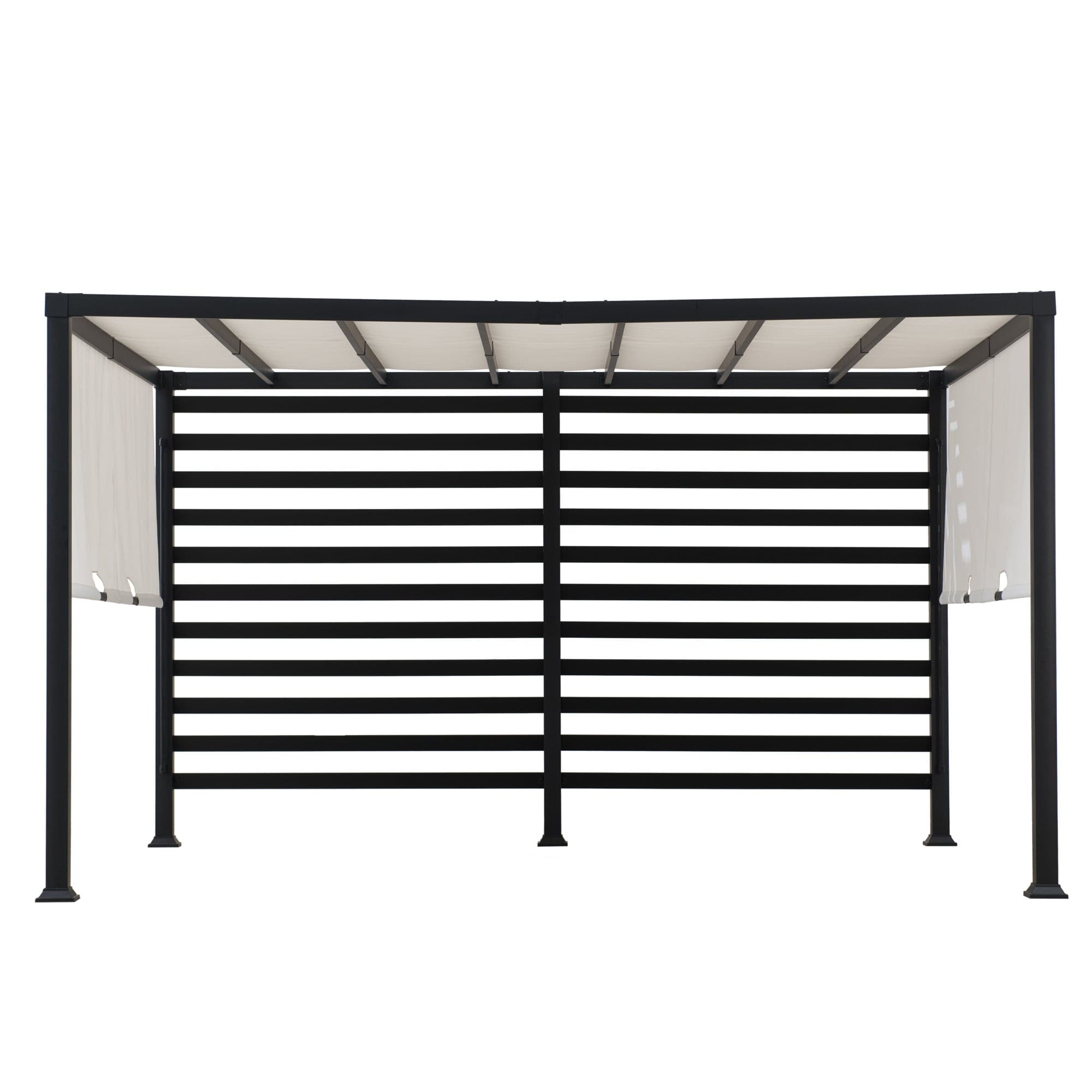
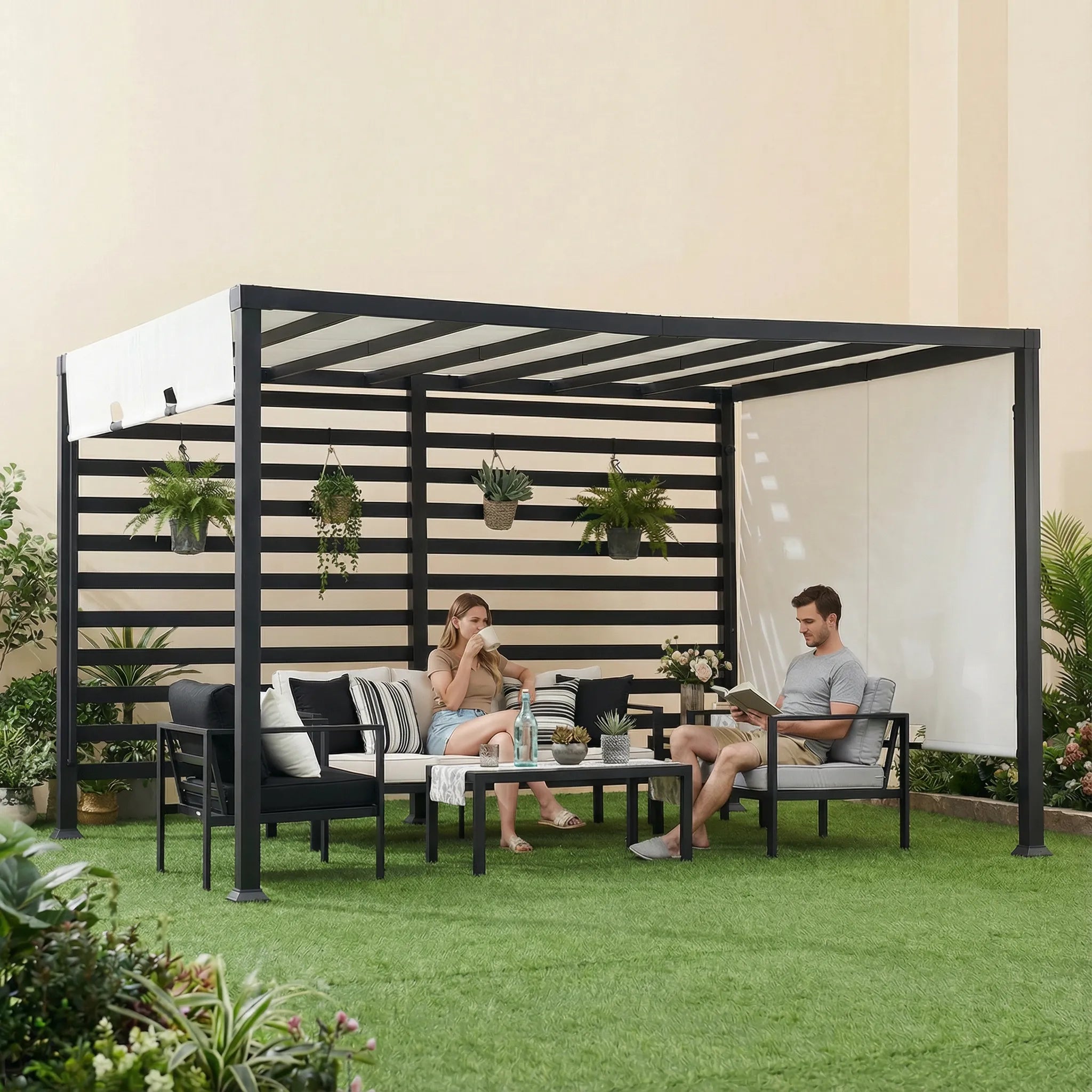
Pergolas, with their open-roof design, are typically considered less permanent than gazebos:
- Freestanding Pergolas: Often exempt from building permits due to minimal wind and snow load.
- Attached Pergolas: If connected to your home, they are considered additions and usually require a building permit to ensure structural safety.
Case Study: A detached 10x12 ft. metal pergola kit often fits within exemption guidelines for many homeowners. The open design reduces snow load and wind impact, lowering permit complexity.
Do You Need a Permit for a Carport?
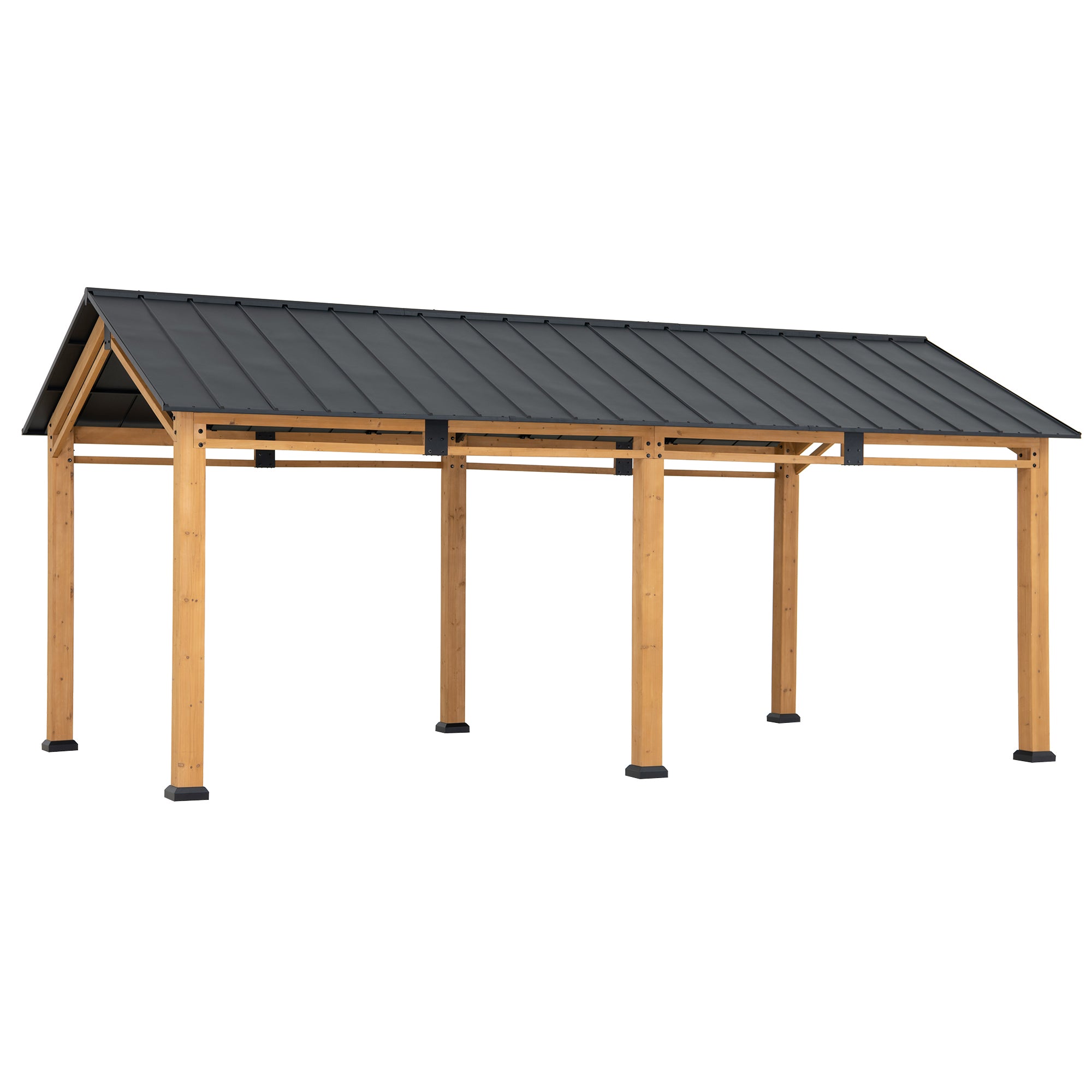
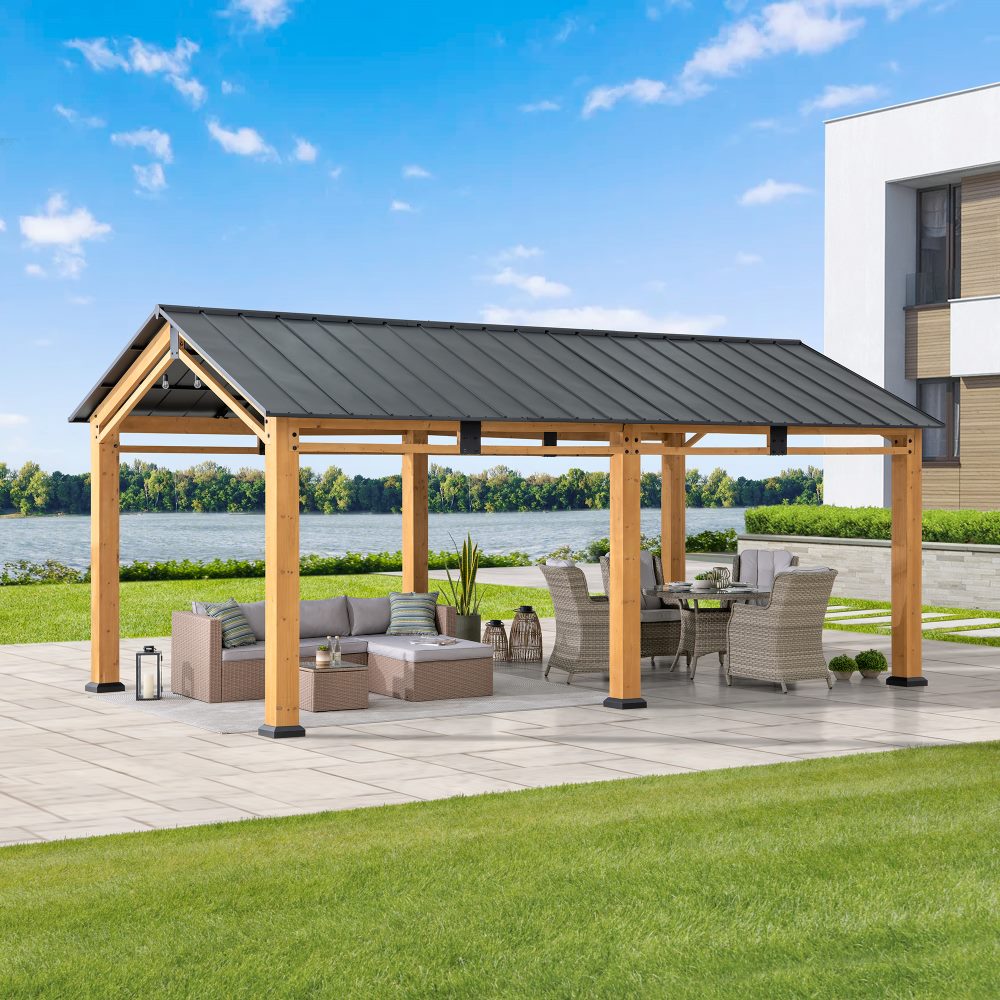
Carports are subject to stricter rules because they provide shelter for vehicles and impact property visibility:
- Zoning Rules: Setbacks from property lines (typically 5–10 ft.) must be respected.
- Building Standards: Roof and support structures must meet safety codes to prevent collapse under snow or wind.
- Utility Considerations: Adding electrical lighting in a carport often triggers a separate electrical permit.
Example: A 12x20 ft. metal carport will almost certainly require building and zoning approval due to size and intended use.
Factors Affecting Permit Approval
Several additional factors influence whether permits are needed or approved:
- Environmental Load: Structures must meet local wind and snow load standards.
- Neighborhood Oversight: Homeowner associations or design boards may impose extra requirements on materials, colors, and placement.
- Historical Districts: Approval may be required to ensure consistency with architectural guidelines.
Innovation Tip: Using modular, lightweight materials such as aluminum frames or pre-cut cedar panels can ease compliance while reducing the need for extensive structural reinforcement.
Navigating the Permit Application Process
Step 1: Research Local Regulations
Start with municipal websites or planning offices to understand permit requirements, fees, and submission deadlines.
Step 2: Prepare a Plot Plan
A simple map showing your property layout, proposed structure, and distances to property lines is essential.
Step 3: Submit Application & Fees
Include building plans, structural details, and any additional documentation required by local authorities.
Step 4: Await Review & Approval
Processing times vary; keep your permit displayed prominently once approved.
Step 5: Final Inspection
Upon completion, inspectors verify the structure is properly anchored and meets code standards, ensuring safety and longevity.
Practical Tips for Homeowners
- Modular Designs: Pre-drilled or kit-based structures reduce installation complexity and help maintain compliance.
- Pre-Planning for Utilities: If you anticipate adding fans, lighting, or outdoor kitchens, secure permits upfront.
- Choose Materials Wisely: Lightweight metals or treated wood reduce load concerns and simplify approval.
- Document Everything: Keep copies of permits, HOA approvals, and inspection results for future reference.
Conclusion
Installing a gazebo, pergola, or carport can significantly enhance your outdoor living space, providing comfort, shade, and aesthetic value. Understanding permit requirements ensures your investment is safe, legal, and fully compliant. By following these guidelines, homeowners can confidently plan their backyard projects, maximize functionality, and enjoy years of worry-free outdoor living.