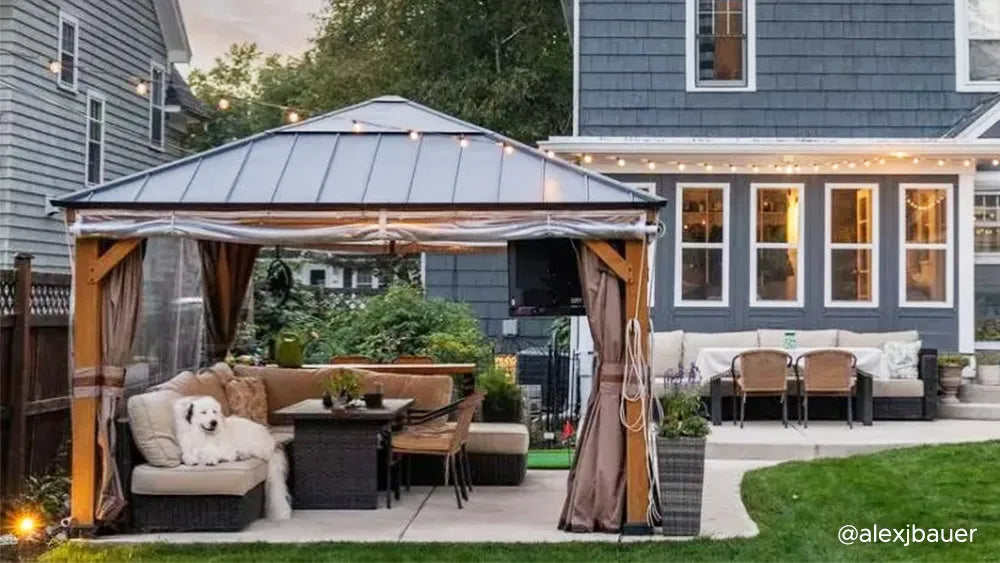
Outdoor living isn’t just a seasonal bonus anymore—by 2026, it’s becoming an integral part of how we live, relax, entertain, and connect with family and nature. In Canada’s varied climates, planning and designing outdoor spaces isn’t about picking a few patio chairs and a grill. It’s about creating purposeful zones that blend comfort, sustainability, and durability—so you can enjoy outdoor living not only in summer but across seasons.
Here’s a strategic outdoor living plan designed for 2026 and beyond, with practical steps, expert insights, and ideas that align with emerging trends without compromising long-term functionality.
What’s New in Outdoor Living for 2026?
In 2026, outdoor living trends show a clear move toward multi-functional, comfortable, and natural spaces that feel like a true extension of the home. Homeowners are increasingly looking for outdoor designs that are:
- Comfortable year-round
- Sustainably designed
- Functionally zoned
- Aesthetically pleasing and cohesive
Designers emphasize blending indoor comfort with outdoor freedom, integrating natural materials, dynamic layouts, and smart placemaking that fits how people live today.
Step 1: Define Outdoor Living Zones
Start by deciding what you want to do outdoors. Great outdoor plans are organized around function, not just features.
Common Zones for 2026 Outdoor Plans
- Lounge & Relaxation: Comfortable seating, shade, lighting
- Dining & Cooking: Outdoor kitchen or grill space
- Entertainment & Gathering: Fire features or conversation areas
- Play & Wellness: Fitness or yoga space, garden nook
- Garden & Nature: Native plantings, vertical gardens, sustainable landscaping
Pro Tip: Outdoor rooms should complement indoor flow. This improves usability and adds perceived living space to your home.
Step 2: Build Structure First — Then Add Style
A smart plan starts with structural outdoor elements that provide purpose, shade, and flexibility. These become the backbone of your outdoor living plan.
Structures to Consider
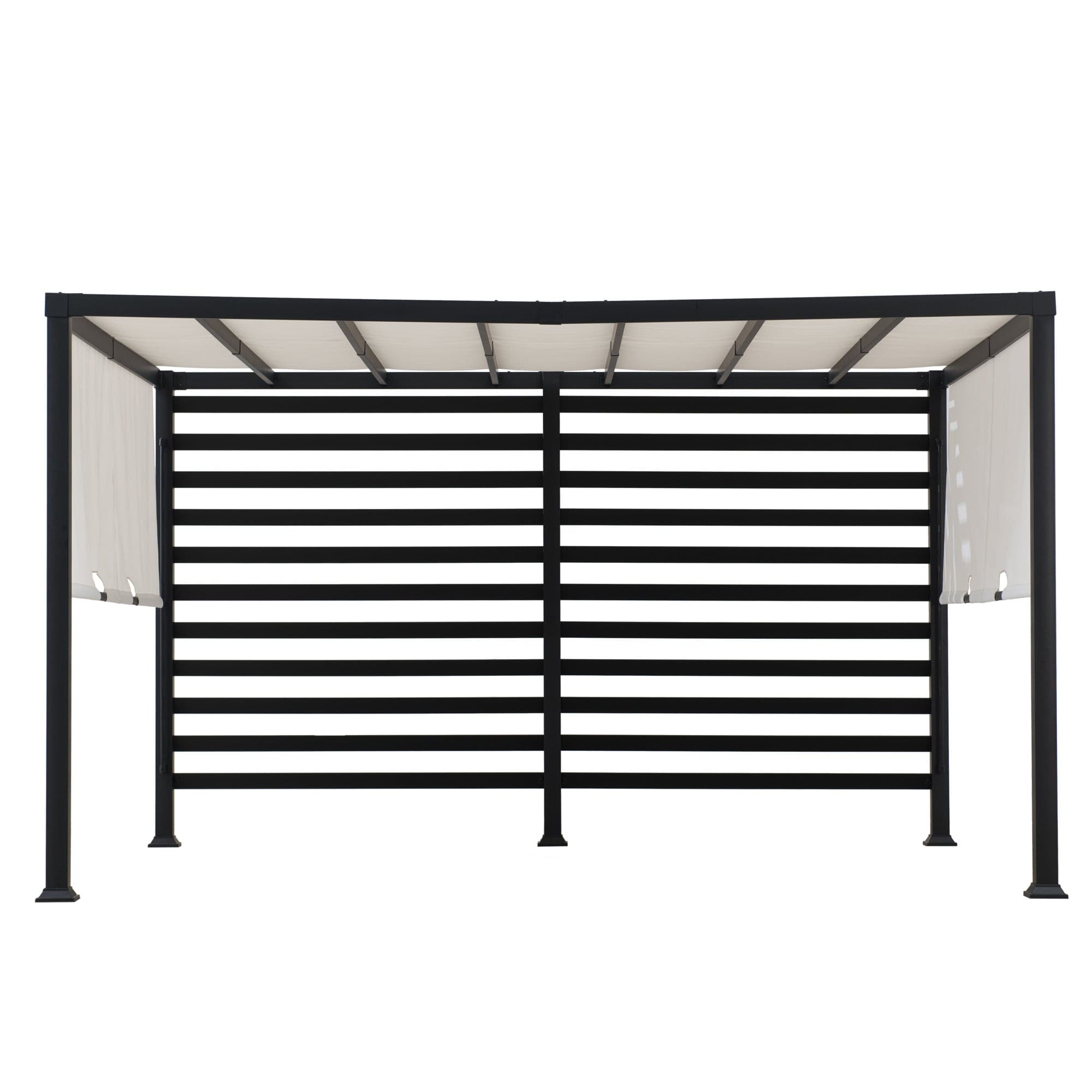
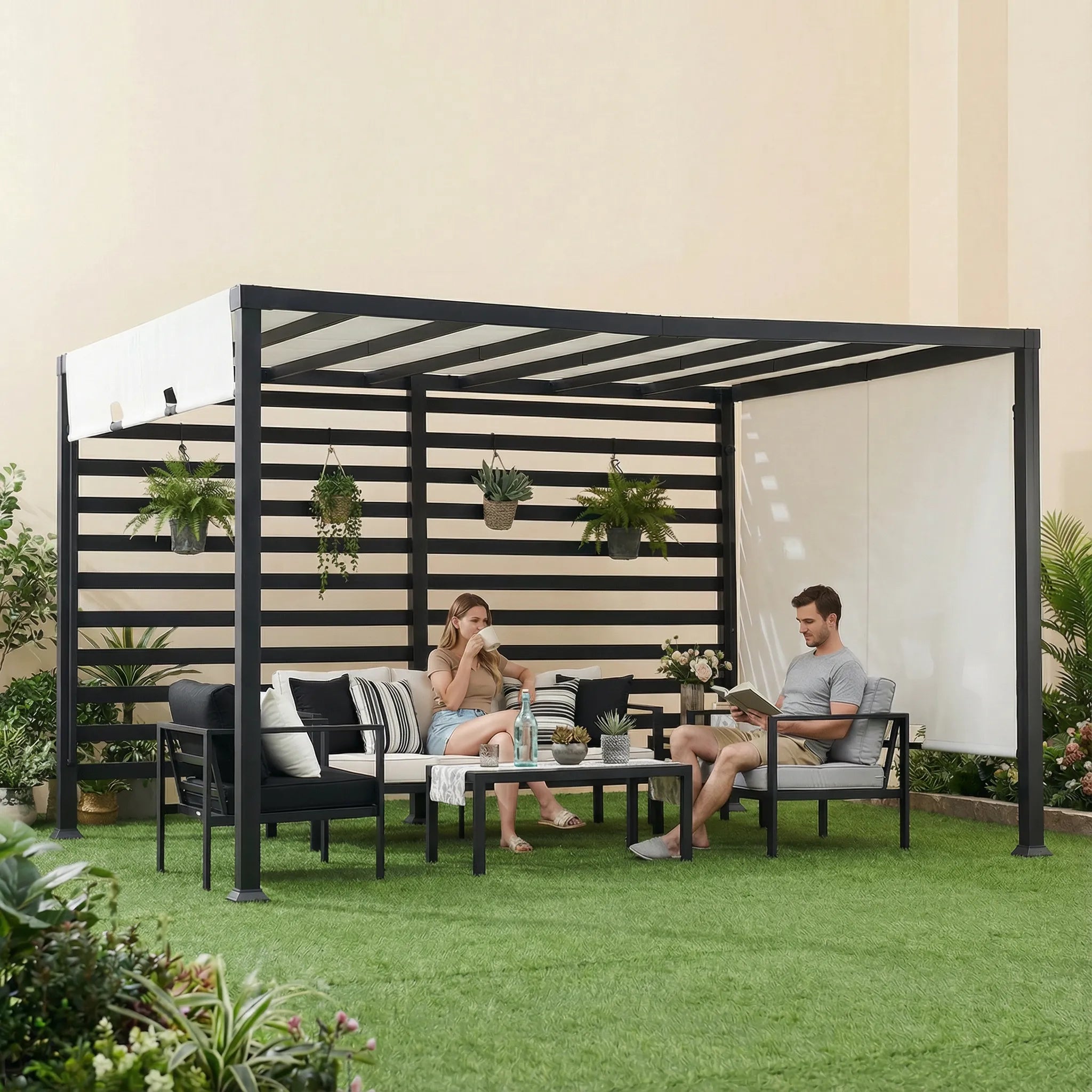
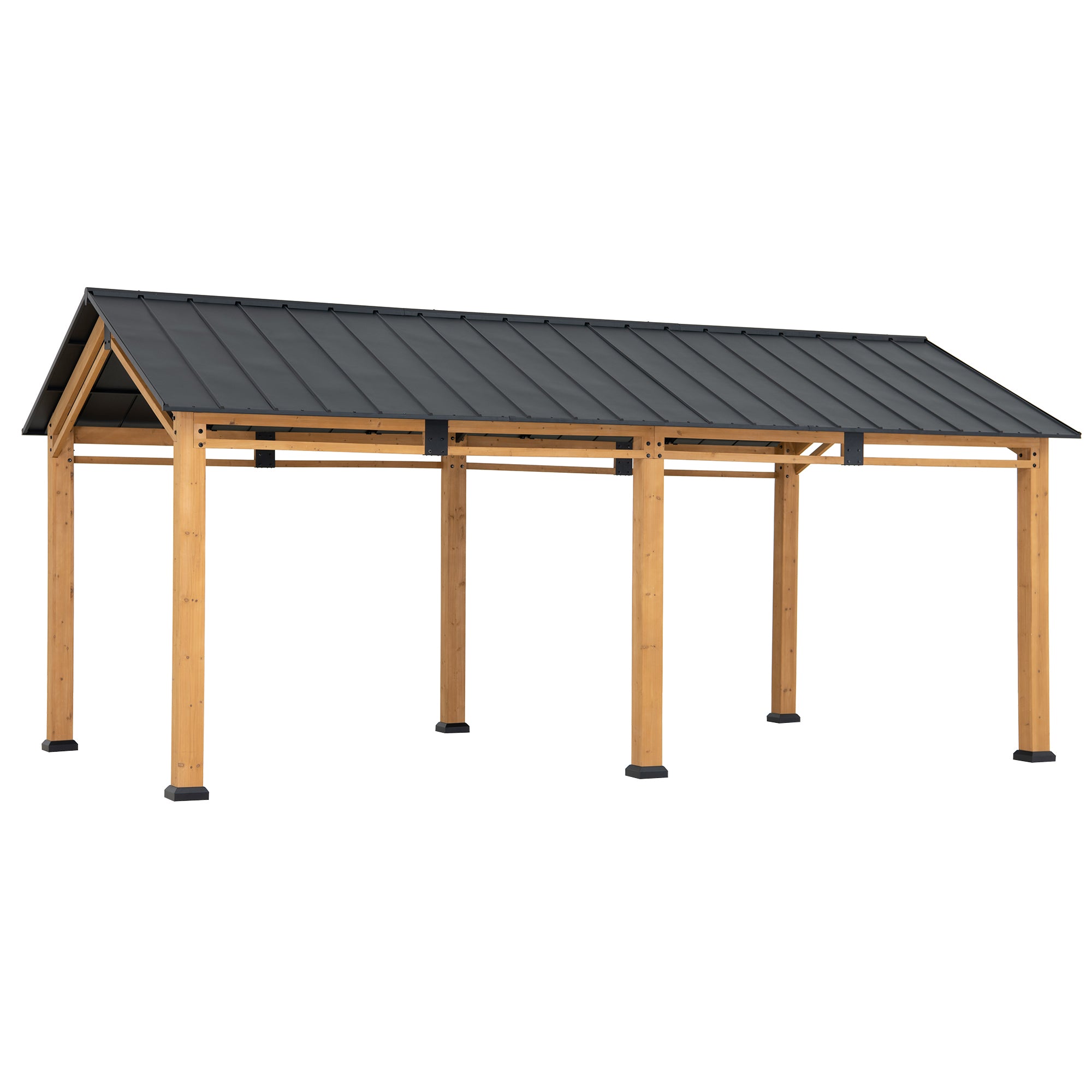
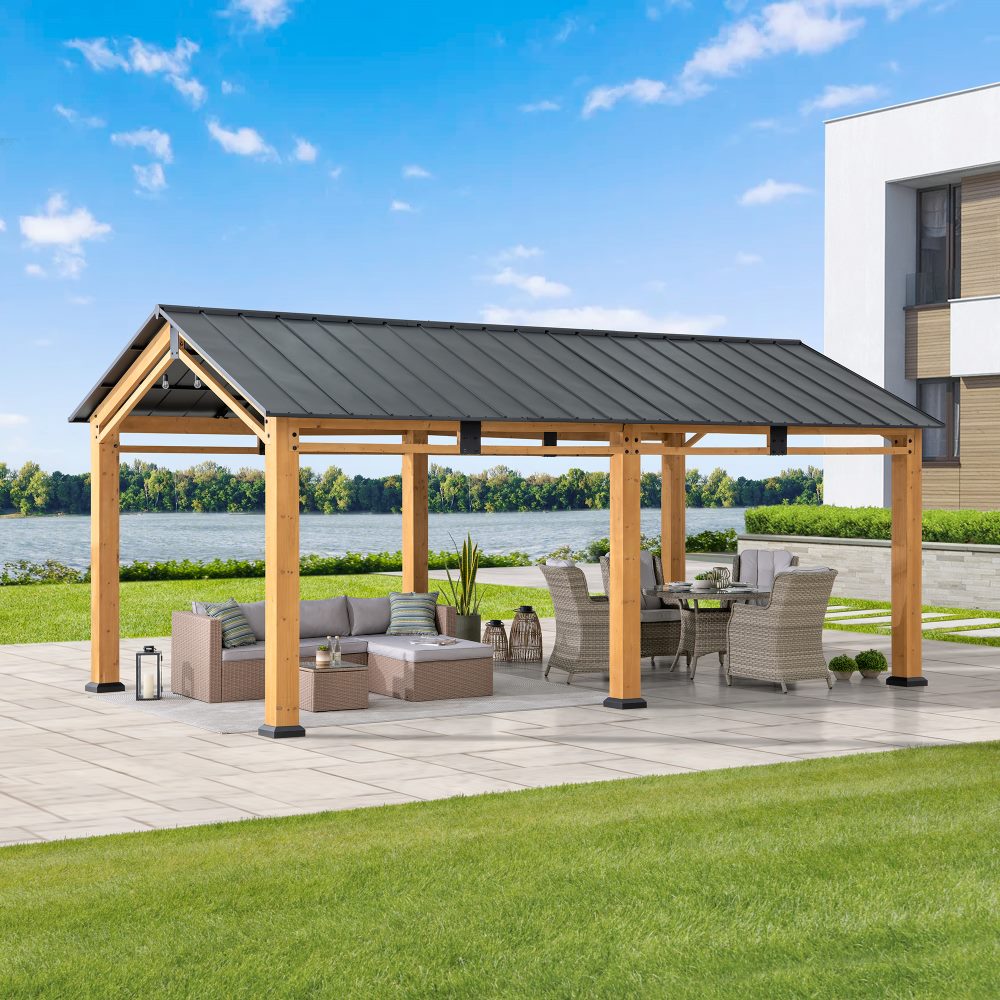
- Gazebos & Pergolas: Anchor your outdoor zones and create shade
- Decks & Patios: Transitional surfaces connecting indoors to outdoors
- Fire Features: Fire pits or fireplaces extend seasonal use
- Shade Canopies: Adjustable and seasonal coverage
For example, structures like SUNJOY outdoor gazebos and pergolas provide durable, weather-ready frameworks that can anchor seating, lighting, cooking, or fireplace areas—creating a base before decor or furniture is added.
Stable structural elements are the foundation of outdoor living, ensuring comfort and useability even in varied weather conditions.
Step 3: Design Patio Spaces for All Seasons
Outdoor spaces that feel inviting only in summer are incomplete. A 2026 plan should aim for three- or four-season usability.
2026 Outdoor Comfort Elements
- Retractable shade and canopy systems: Adapt to sun, rain, or breezes
- Wind screening and soft barriers: Improves comfort and heat retention
- Heaters or fire features: Provide warmth and ambiance
- Textured surfaces and layered materials: Enhance comfort and aesthetics
Patio trends emphasize textural compositions and biophilic design, integrating seating, fire features, and greenery in a way that feels cohesive and inviting.
Step 4: Incorporate Nature and Sustainability
A big part of outdoor living planning in 2026 is harmonizing with nature, not fighting it.
Green & Sustainable Features
- Native and drought-tolerant plants for year-round resilience
- Vertical gardens or living edges to define spaces
- Permeable pavers and organic pathways
- Water-efficient irrigation and rain gardens
Biophilic design and soft boundaries help spaces feel natural and grounded while minimizing maintenance.
Step 5: Create Indoor–Outdoor Continuity
In 2026, the line between indoors and outdoors continues to blur. A well-planned outdoor living area feels like a natural extension of your home.
Elements That Boost Continuity
- Matching materials (stone, wood, metal)
- Furniture that mirrors indoor comfort
- Lighting tied to indoor schemes
- Transitions through decks, patios, and pathways
Homeowners increasingly choose furniture and décor that reflects interior design aesthetics, creating cohesive experiences across inside and outside spaces.
Step 6: Plan for Comfort, Function, and Entertainment
Outdoor spaces should support your lifestyle:
- Outdoor kitchen or grill zones for cooking and dining
- Entertainment spaces with comfortable seating and lighting
- Fire features or fireplaces for year-round warmth
- Outdoor structures that support heaters or lighting attachments
This holistic approach encourages more time spent outdoors—whether hosting friends or enjoying quiet moments.
Trending Outdoor Living Features for 2026
Here are some strategic trends to integrate into your plan:
1. Multifunctional Outdoor Kitchens
Create zones that not only cook but also serve, entertain, and connect with guests.
2. Fire Features for Warmth & Ambiance
Portable or built-in fireplaces and fire pits extend the outdoor season.
3. Earthy and Organic Materials
Trends like “Earthy Vibrancy” favor natural tones and materials, fostering a calm yet lively outdoor palette.
4. Curved and Organic Landscape Elements
Blending pathways, plantings, and seating in soft, flowing geometries creates inviting environments.
FAQ
What’s the First Step in Planning Outdoor Living?
Start by defining how you want to use your outdoor space—relaxation, dining, entertainment, or all of the above.
How Much Should I Budget for 2026 Outdoor Living?
Budgets vary widely based on scale, but planning with focus on structure and functionality yields the best long-term value.
Are Outdoor Structures Worth the Investment?
Yes — structures like gazebos and pergolas extend usability, support lighting, shade, and heating, and enhance property value.
Final Takeaway: Outdoor Living Planning Is About Purpose, Not Products
A strong outdoor living plan for 2026 doesn’t chase every trend—it prioritizes comfort, longevity, sustainability, and cohesive design. By defining zones, anchoring with durable structures, integrating nature and comfort features, and supporting all-season use, you create outdoor living areas that truly enhance everyday life.