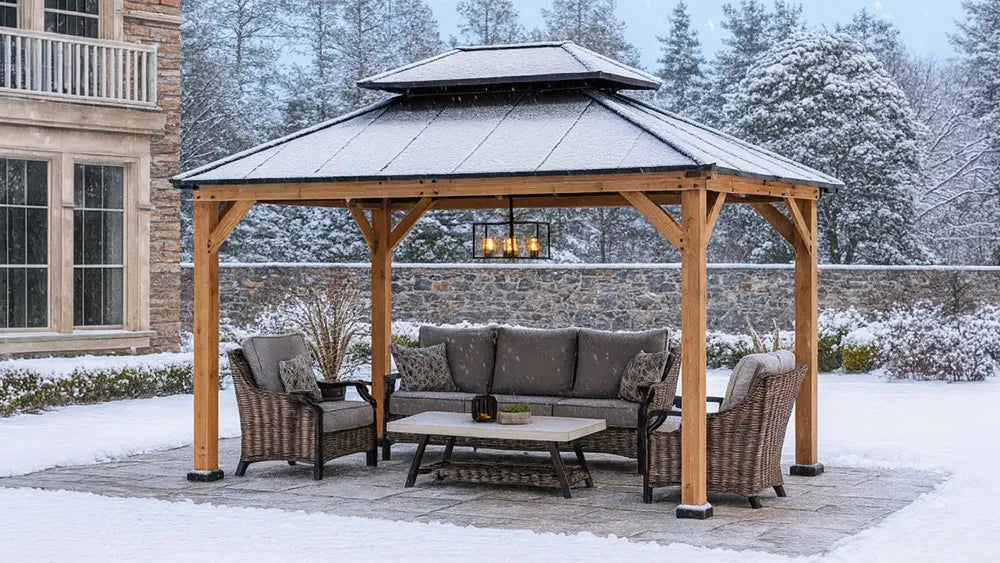
When winter arrives, many Canadian homeowners assume their garden is “closed” until spring. Plants go dormant, furniture gets covered, and outdoor spaces are often ignored for months. But winter doesn’t have to mean abandonment.
With the right garden shelter strategy, a winter garden can remain protected, visually appealing, and even usable throughout the colder months. The key is not decoration alone—it’s structure, placement, and weather-aware design.
This guide explores practical winter garden shelter ideas that help protect plants, extend outdoor use, and maintain order in your garden during Canadian winters.
Clear Conclusion First: What Makes a Good Winter Garden Shelter?
A winter garden shelter works when it does three things well:
- Blocks wind and snow where they cause the most damage
- Allows airflow to prevent moisture buildup
- Matches the way the garden is actually used in winter
The goal is not to “seal” the garden, but to control exposure.
Why Gardens Need Shelter in Winter (More Than You Think)
Winter damage is not caused by cold alone.
Common causes of garden damage include:
- Wind desiccation (drying out plants)
- Heavy snow accumulation
- Freeze–thaw cycles
- Ice buildup on structures
- Water pooling and refreezing
A well-designed shelter reduces these stresses and makes winter maintenance far easier.
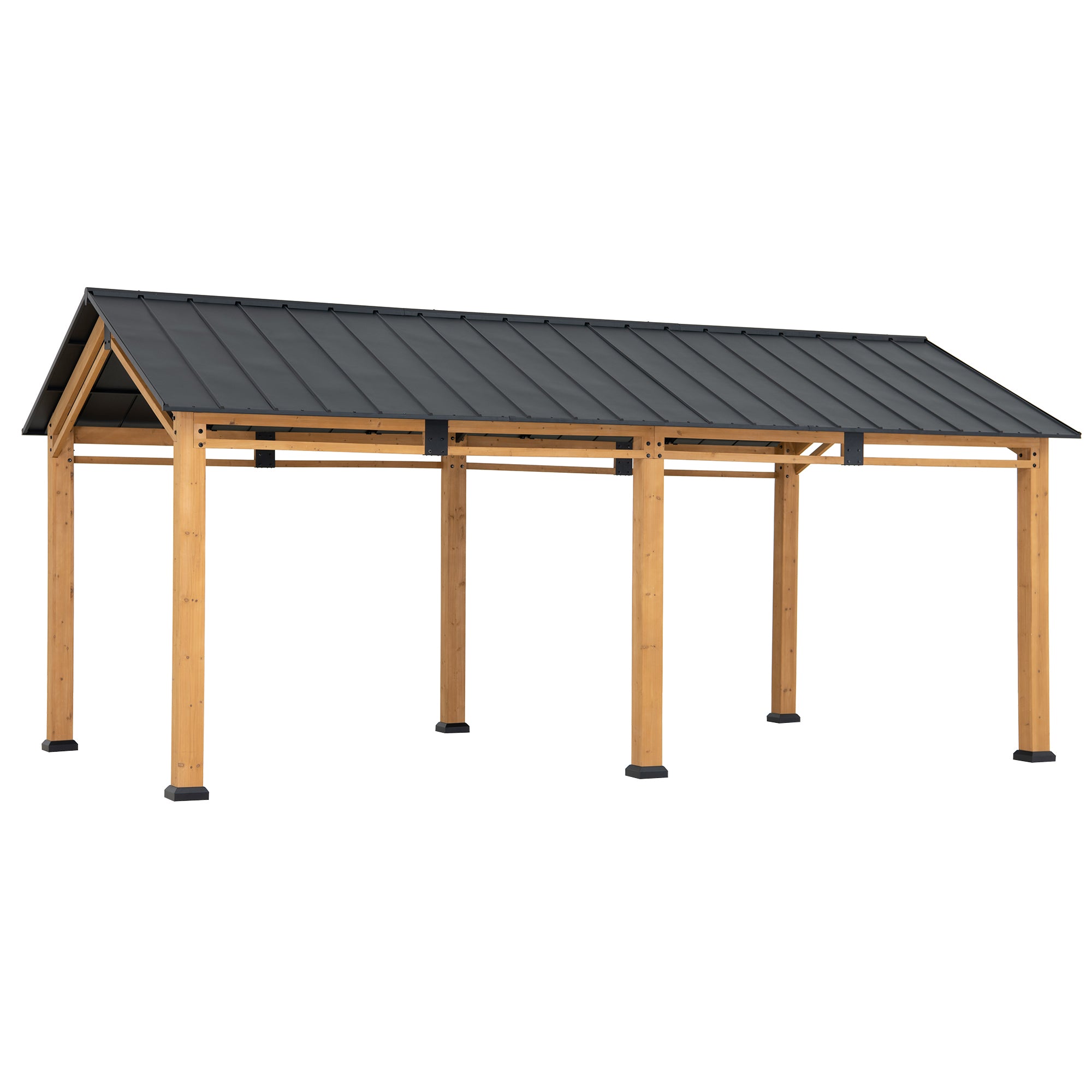
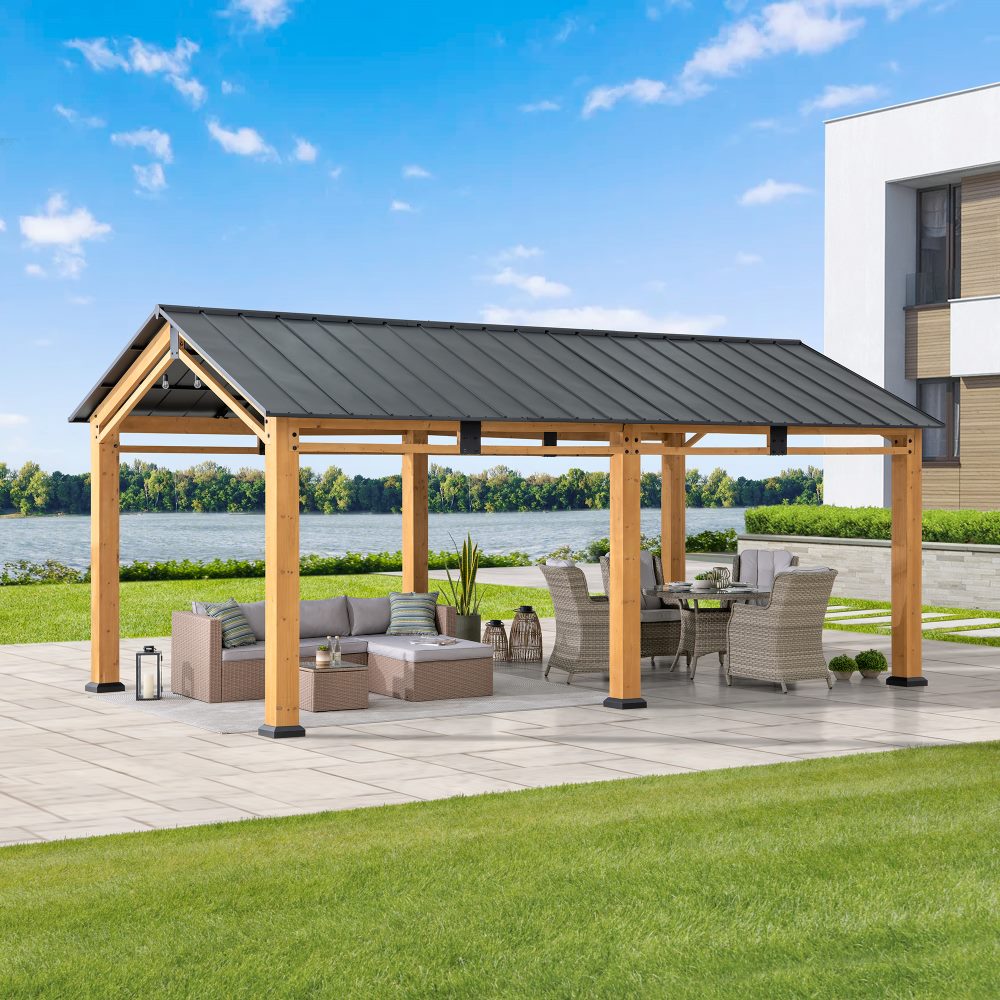
Shelter Idea #1: Hardtop Gazebos as Winter Garden Anchors
Why Gazebos Work Well in Winter
A hardtop gazebo is one of the most versatile winter garden shelters because it provides:
- Overhead protection from snow and rain
- A defined, stable structure
- A place to store or arrange winter garden items
Unlike temporary covers, a gazebo creates a reliable protected zone.
In winter, many homeowners use gazebos to:
- Protect planters and potted plants
- Store outdoor furniture under cover
- Create a sheltered seating or fire feature area
SUNJOY hardtop gazebos are commonly used this way because their rigid roof structure helps manage snow while still keeping the space open.
FAQ: Can a gazebo stay up all winter in Canada?
Yes—if it is designed for seasonal use and has proper roof structure and anchoring.
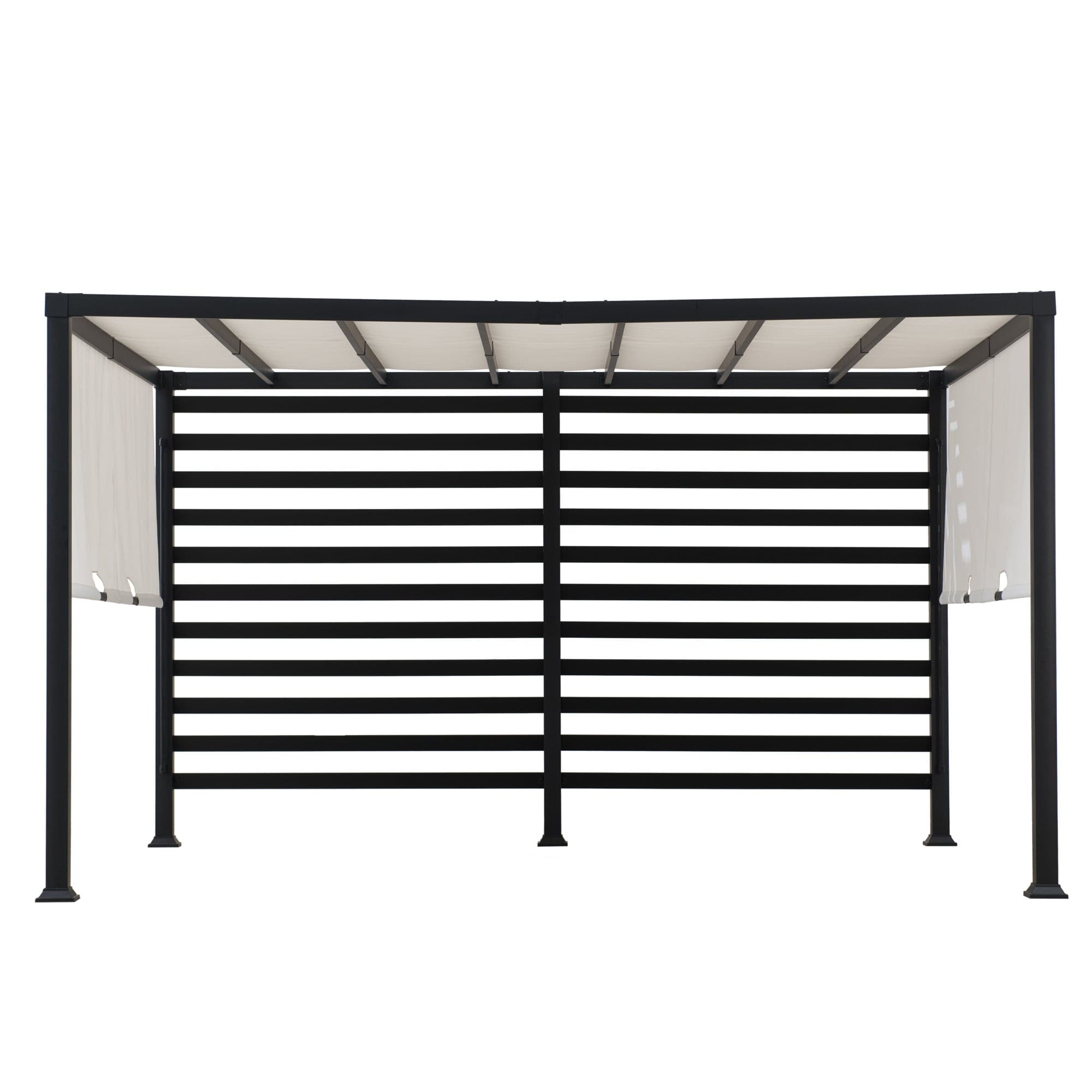
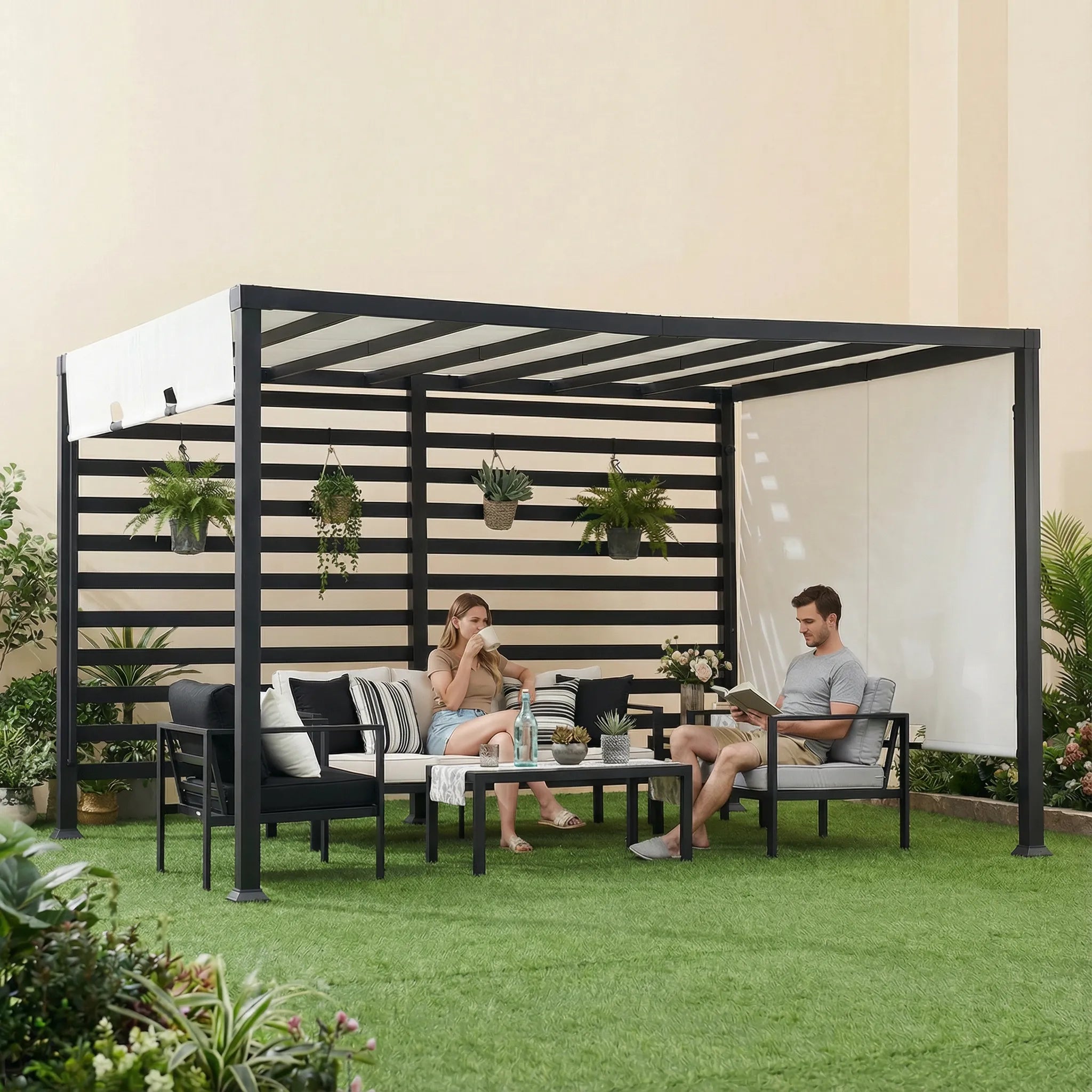
Shelter Idea #2: Pergolas With Adjustable Coverage
Why Pergolas Are Useful Even in Winter
Pergolas are often associated with summer shade, but in winter they play a different role.
With adjustable canopies or partial covers, pergolas can:
- Block low-angle winter wind
- Reduce snow accumulation in specific areas
- Support lighting or temporary winter coverings
Pergolas are especially effective when placed:
- Near the house
- Over pathways
- Adjacent to seating areas
A modern metal pergola from SUNJOY, for example, can act as a wind-filtering frame rather than a full enclosure, which helps avoid condensation issues.
Shelter Idea #3: Wind-Facing Screens and Side Panels
Why Wind Direction Matters More Than Temperature
In winter, wind exposure causes more damage than snow in many gardens.
Effective solutions include:
- Retractable curtains
- Removable side panels
- Trellis walls on wind-facing sides
Blocking just one or two dominant wind directions can dramatically improve garden protection without fully enclosing the space.
FAQ: Should I fully enclose my garden in winter?
Usually no. Full enclosure can trap moisture and increase frost damage. Partial shelter is more effective.
Shelter Idea #4: Covered Storage Zones for Garden Equipment
Winter Shelter Isn’t Just for Plants
Garden tools, cushions, pots, and décor often suffer in winter due to:
- Moisture exposure
- Freeze damage
- Snow accumulation
Creating a covered storage zone under a gazebo, pergola, or carport-style shelter keeps everything organized and accessible.
Many homeowners use SUNJOY structures to create multi-purpose winter zones—half storage, half usable garden space.
Shelter Idea #5: Fire Features as Functional Winter Garden Shelters
How Fire Changes Winter Garden Use
A fire pit or fireplace doesn’t just add warmth—it creates a microclimate.
When paired with overhead shelter:
- Snow melts away from seating areas
- People naturally gather in one protected zone
- The garden remains visually active all winter
Fire features work best when placed:
- Under a gazebo roof
- Near wind-blocking panels
-
On stable, non-slip surfaces

Shelter Idea #6: Pathway Covers and Transitional Shelters
Don’t Forget Movement Through the Garden
Winter garden shelters are not only about stationary spaces.
Covered walkways or pergola-lined paths:
- Reduce snow buildup
- Improve safety
- Make winter garden access easier
These transitional shelters help maintain garden usability even when the rest of the yard is dormant.
Real-World Example: One Shelter, Multiple Uses
A homeowner installed a gazebo primarily for summer dining. In winter, the same structure became:
- A covered plant storage area
- A place to stack firewood
- A wind-protected seating area around a fireplace
The value of the shelter increased—not decreased—outside of summer.
Common Winter Garden Shelter Mistakes to Avoid
- Fully sealing spaces with plastic
- Ignoring airflow
- Using structures not designed for snow load
- Blocking drainage paths
- Treating winter as “off-season” for maintenance
Each of these mistakes leads to more damage, not less.
FAQ: What is the cheapest winter garden shelter option?
Using existing structures (gazebos or pergolas) with partial wind blocking is often more cost-effective than temporary enclosures.
FAQ: Do plants need light in winter shelters?
Yes. Shelters should allow natural light to pass through whenever possible.
How SUNJOY Structures Support Winter Garden Shelter Planning
SUNJOY outdoor structures are designed to:
- Withstand seasonal use
- Support accessories like curtains and lighting
- Create defined, protected outdoor zones
This makes them suitable not only for summer living, but also for winter garden organization and protection.
A Simple Winter Garden Shelter Checklist
Before winter, confirm:
- Wind-facing sides are protected
- Snow can shed safely from roofs
- Airflow is maintained
- Drainage paths are clear
- Sheltered zones have defined purposes
If all five are addressed, your garden is winter-ready.
Final Verdict: Winter Shelter Keeps the Garden Alive
A winter garden doesn’t have to be inactive.
With smart shelter choices—focused on structure, airflow, and practical use—you can protect plants, preserve order, and even enjoy your garden throughout winter.
By using durable outdoor structures, such as gazebos and pergolas from SUNJOY, winter becomes a season of preservation and quiet enjoyment, not neglect.