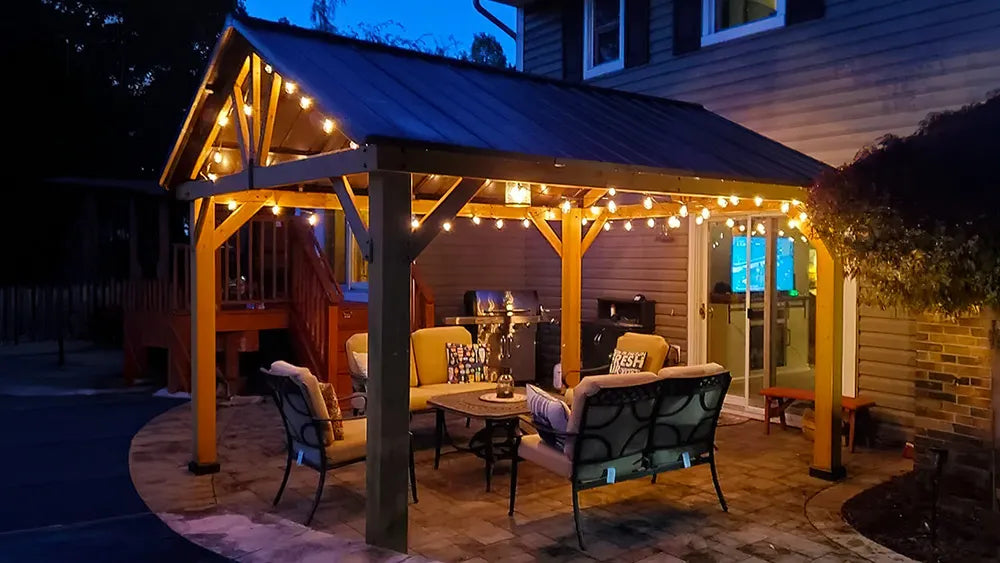
When winter arrives, many homeowners assume their patio becomes unusable until spring. In reality, a winter patio can be just as inviting as a summer one—if it’s designed with warmth, shelter, and comfort in mind.
The secret is not relying on one solution, like a heater alone. A truly cozy winter patio is created by combining wind protection, heat retention, smart lighting, and practical layout decisions—all of which matter even more in Canadian winter conditions.
Below are five proven ways to make your winter patio warm and cozy, with real-world examples and practical product solutions that actually work outdoors.
Clear Conclusion First: What Makes a Winter Patio Feel Warm?
A winter patio feels comfortable when it:
- Reduces wind exposure
- Holds heat instead of losing it
- Provides overhead shelter
- Uses warm, layered lighting
- Keeps seating protected and usable
Warmth is as much about design and structure as it is about temperature.
1. Add a Solid Overhead Structure to Block Wind and Snow
Why Shelter Comes Before Heat
Wind is the biggest reason winter patios feel unusable. Even a strong heater struggles in an open, windy space.
Adding a roofed structure can make a patio feel 10–15°C warmer simply by reducing wind chill.
Practical Solutions That Work
Hardtop gazebos and well-designed pergolas are ideal because they:
Block snow and rain from above
Reduce direct wind exposure
Create a defined “warm zone” for seating
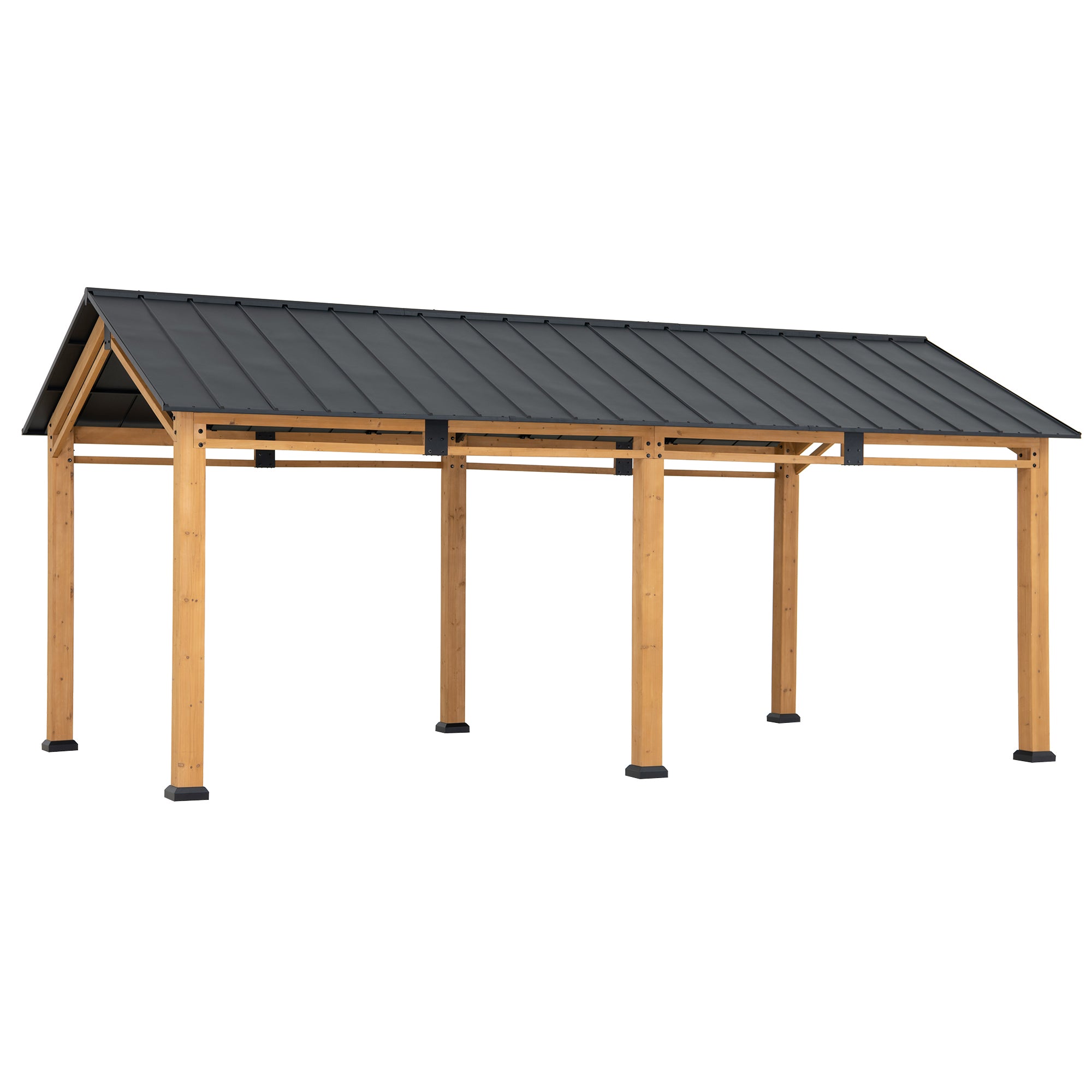
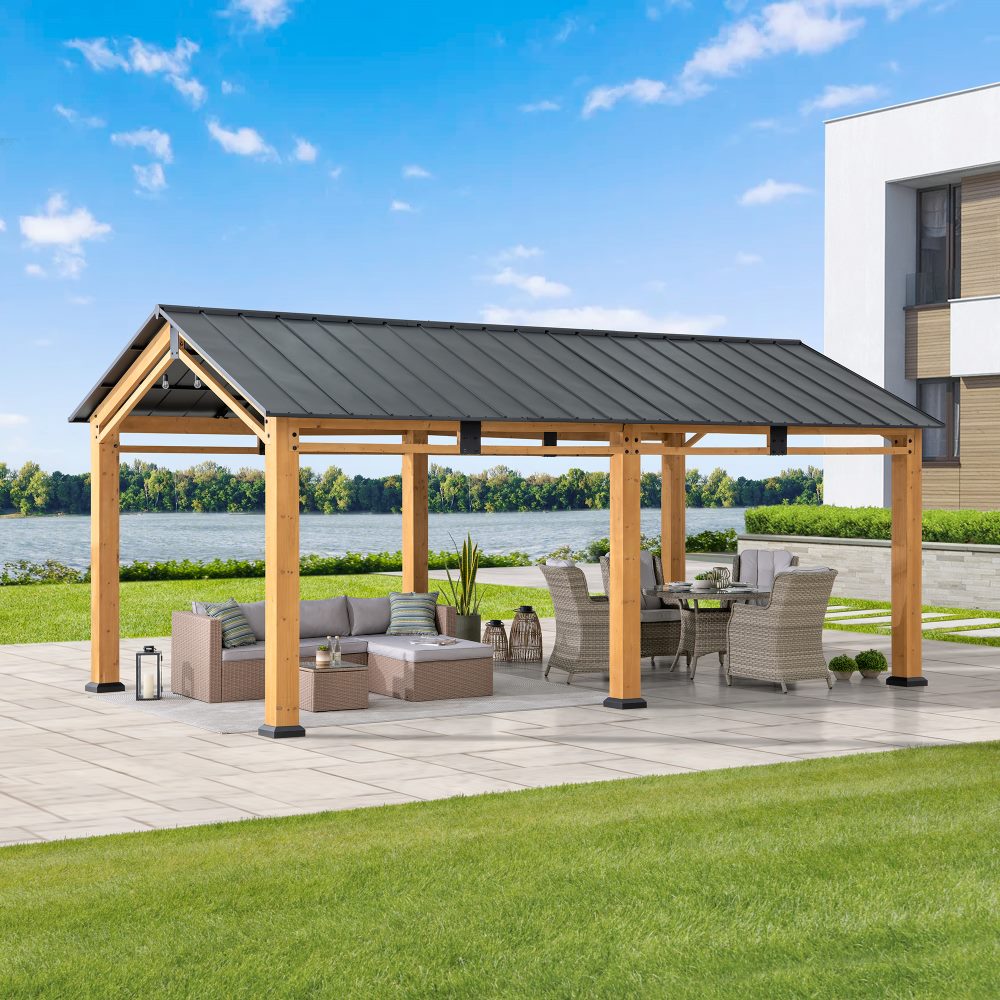
For example, a structure like the SUNJOY Outdoor Patio 12x14 Solar Powered Cedar Wood Framed Steel Hardtop Gazebo with LED Lights and Bluetooth Sound provides a solid steel roof combined with a stable cedar frame, making it suitable for winter use while still feeling open and welcoming.
Even soft-top gazebos can work when paired with side protection. Models like the SUNJOY Outdoor Patio Steel Frame 11x13 Gazebo 2-Tier Soft Top Gazebo with Netting and Curtains allow homeowners to pull curtains down on wind-facing sides, significantly improving comfort.
FAQ: Do I need a fully enclosed patio for winter?
No. Blocking just one or two sides—especially the wind-facing side—often makes the biggest difference.
2. Use Fire-Based Heating for Both Warmth and Atmosphere
Why Fire Feels Warmer Than Electric Heat
Radiant heat warms people and objects directly. This is why fireplaces and fire pits feel more effective outdoors than forced-air heaters.
In winter patios, fire-based heat:
- Creates a natural gathering point
- Adds visual warmth
- Continues to feel effective even in cold air
Reliable Winter Heating Options
Wood-burning fireplaces are especially popular in Canada because they:
- Perform well in low temperatures
- Do not rely on electricity
- Provide steady, long-lasting heat
A product like the SUNJOY 57 Inch Steel Wood Burning Fireplace with Chimney and Rain Cover offers controlled airflow and safe smoke release, making it practical for covered patios or gazebos during winter evenings.
3. Add Warm Lighting to Improve Comfort and Mood
Lighting Changes How Warm a Space Feels
In winter, darkness arrives early. Poor lighting can make a patio feel cold and uninviting—even if it’s heated.
Warm lighting:
- Improves perceived comfort
- Encourages longer outdoor use
- Makes the space feel intentional
Lighting That Works Best in Winter
- Warm white string lights under roofs
- Solar-powered lights to avoid wiring issues
- Soft, indirect lighting instead of harsh brightness
Gazebos with built-in or integrated lighting options—such as solar-powered systems—reduce setup complexity while improving winter usability.
FAQ: Does lighting really make a patio feel warmer?
Yes. Warm lighting improves psychological comfort and makes outdoor spaces feel more inviting in cold seasons.
4. Layer Textiles to Reduce Cold Transfer
Textiles Are Functional, Not Just Decorative
Outdoor rugs, cushions, and throws:
- Reduce cold from metal or stone surfaces
- Make seating more comfortable
- Visually soften winter spaces
Best Practices for Winter Textiles
- Use weather-resistant materials
- Choose neutral or warm colours
- Keep layers minimal and easy to store
Avoid overdecorating. A few well-placed items are more effective than cluttered décor that becomes difficult to maintain.
5. Arrange Seating for Heat Retention, Not Summer Views
Seating Placement Makes a Huge Difference
In winter, where you sit matters more than what you sit on.
Best seating practices:
- Place seating under a roof or pergola
- Position chairs closer to heat sources
- Turn seating away from wind exposure
This is why structured layouts—often created using gazebos or pergolas—perform better than open patio arrangements in winter.
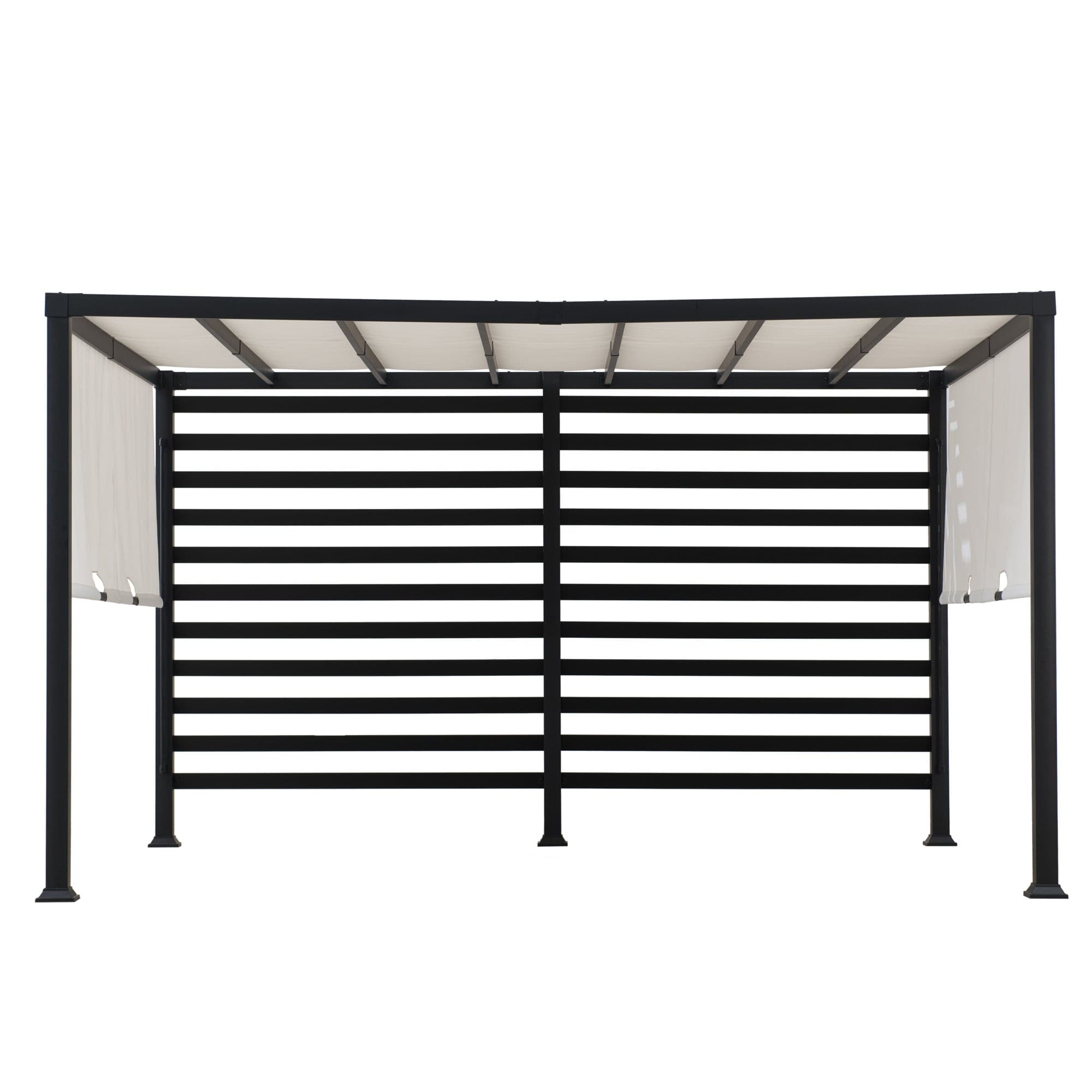
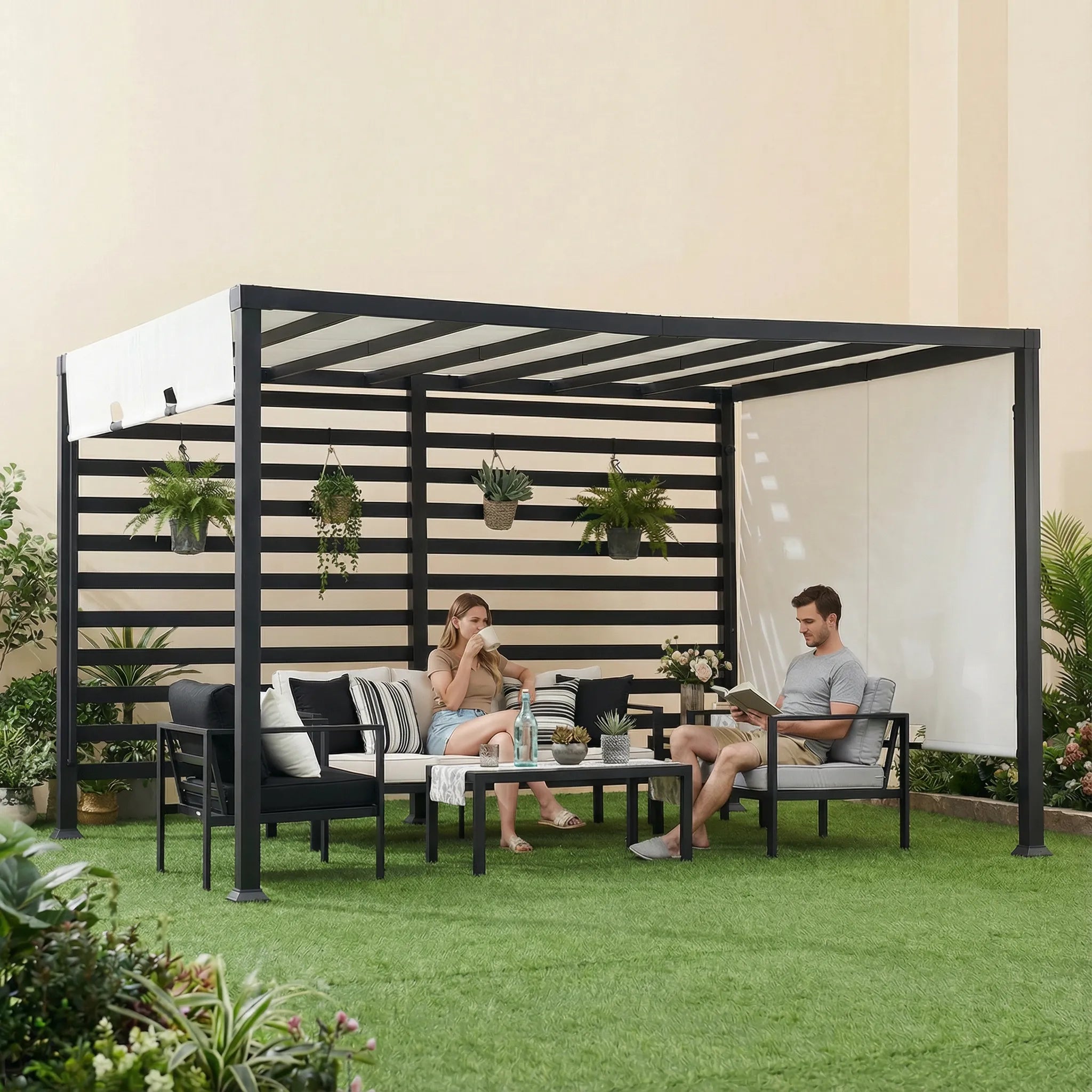
A pergola like the SUNJOY Outdoor Patio Black 10x12 Modern Metal Pergola Kit with Planters can define a semi-sheltered seating zone while still allowing airflow and flexibility.
Common Winter Patio Mistakes to Avoid
Relying on heaters without wind protection
Using indoor décor outdoors
Blocking airflow completely
Ignoring snow load on overhead structures
Overcrowding the space
Each mistake reduces comfort, safety, or long-term usability.
Real-World Example: Shelter First, Heat Second
A homeowner added a heater to an open patio but rarely used it due to wind. After installing a gazebo with curtains on one side, the same heater became effective—and the patio was used regularly throughout winter.
The improvement came from structure, not stronger heating.
How SUNJOY Products Support Winter Patio Comfort
SUNJOY outdoor structures and heating products are designed with:
- Stable frames suitable for seasonal use
- Defined placement for lighting and accessories
- Compatibility with winter heating solutions
This makes it easier to build a winter-ready patio without constant adjustments.
A Simple Winter Patio Warmth Checklist
Before winter use, confirm:
- Wind is blocked on at least one side
- A reliable heat source is in place
- Lighting is warm and functional
- Seating is sheltered
- Décor is weather-appropriate
If all five are covered, your patio is winter-ready.
Final Verdict: A Cozy Winter Patio Is Built, Not Decorated
A warm winter patio doesn’t come from one product—it comes from smart design choices working together.
By combining shelter, radiant heat, thoughtful lighting, layered textiles, and strategic seating, your outdoor space can remain inviting all winter long.
With well-designed solutions—like SUNJOY gazebos, pergolas, and fireplaces—winter becomes another season to enjoy your patio, not avoid it.