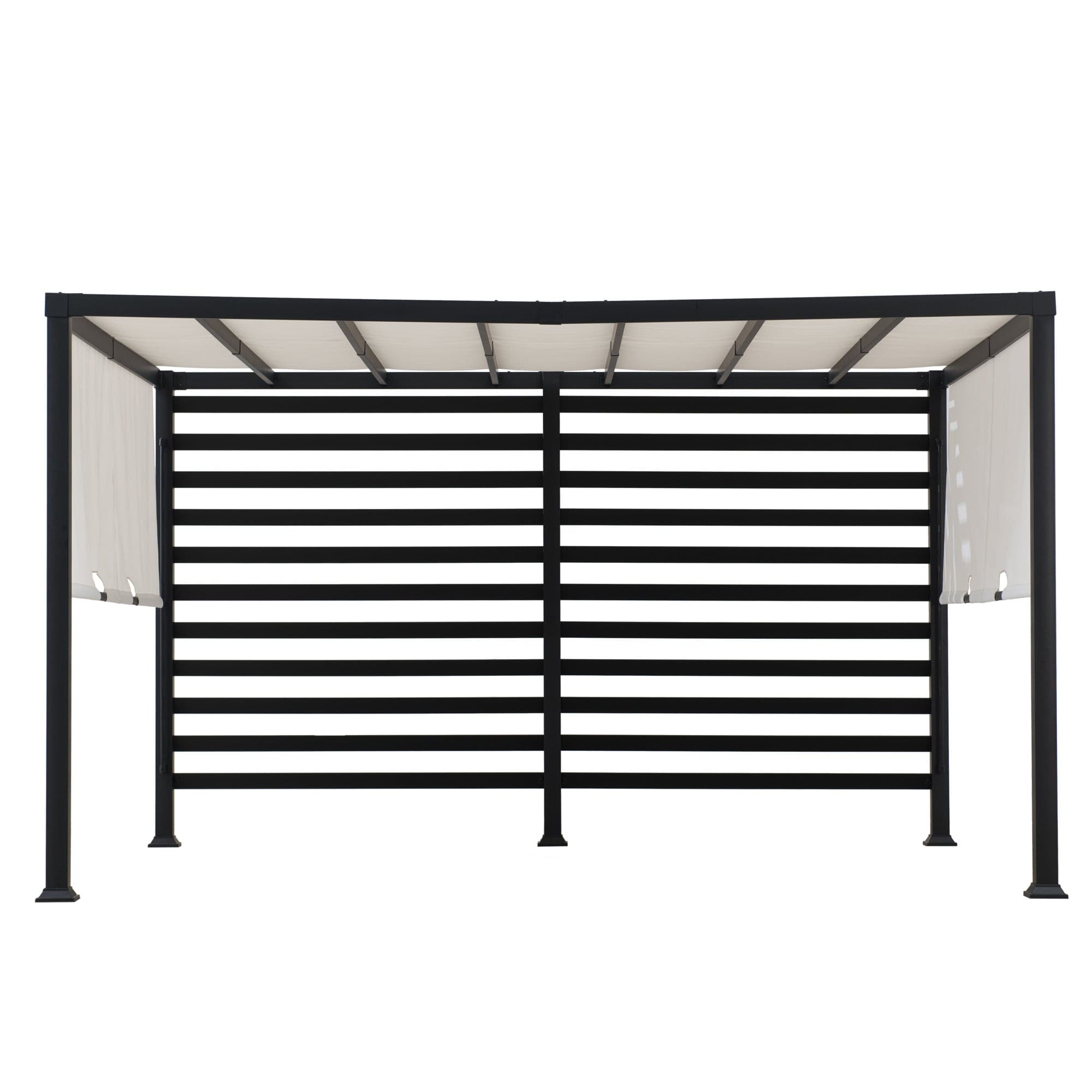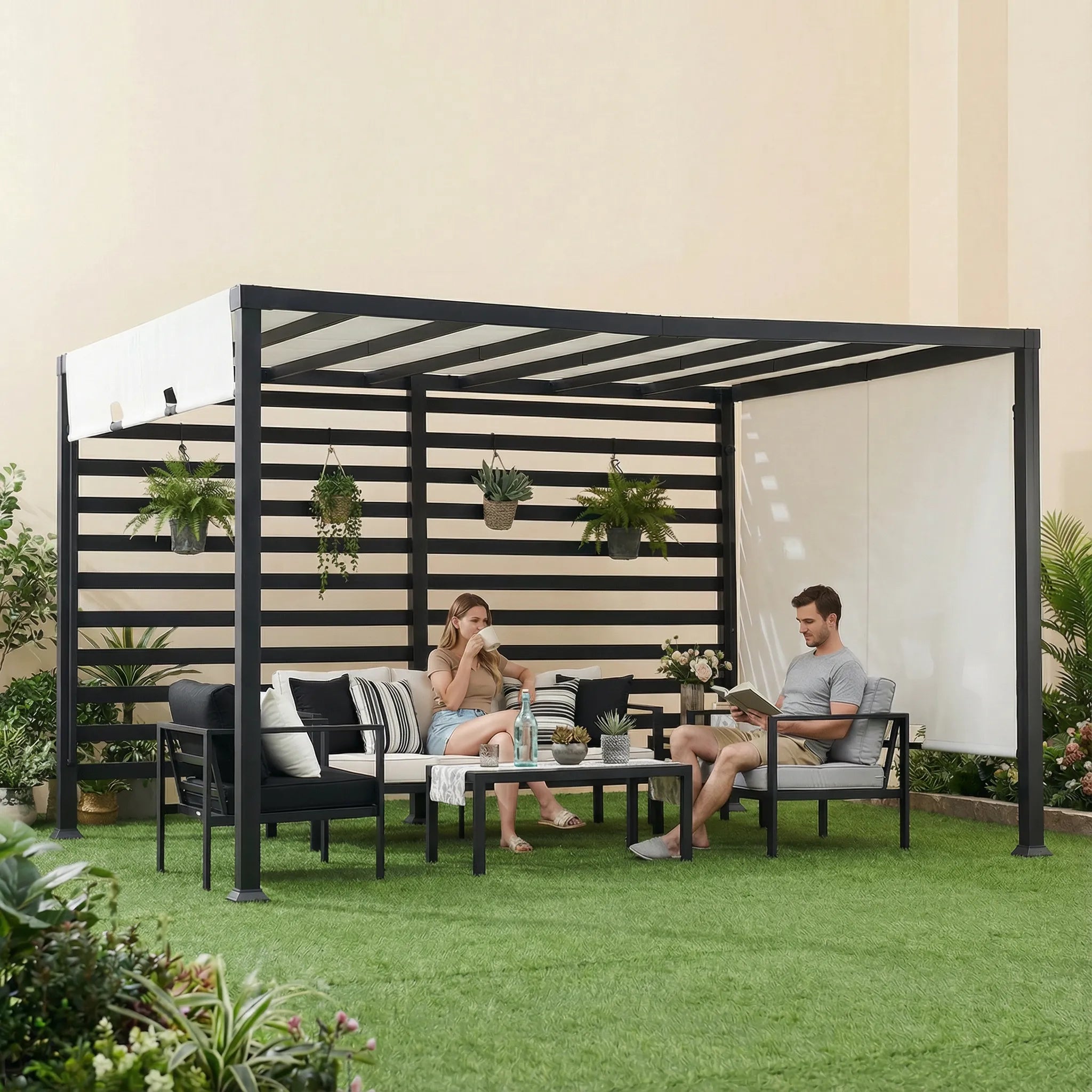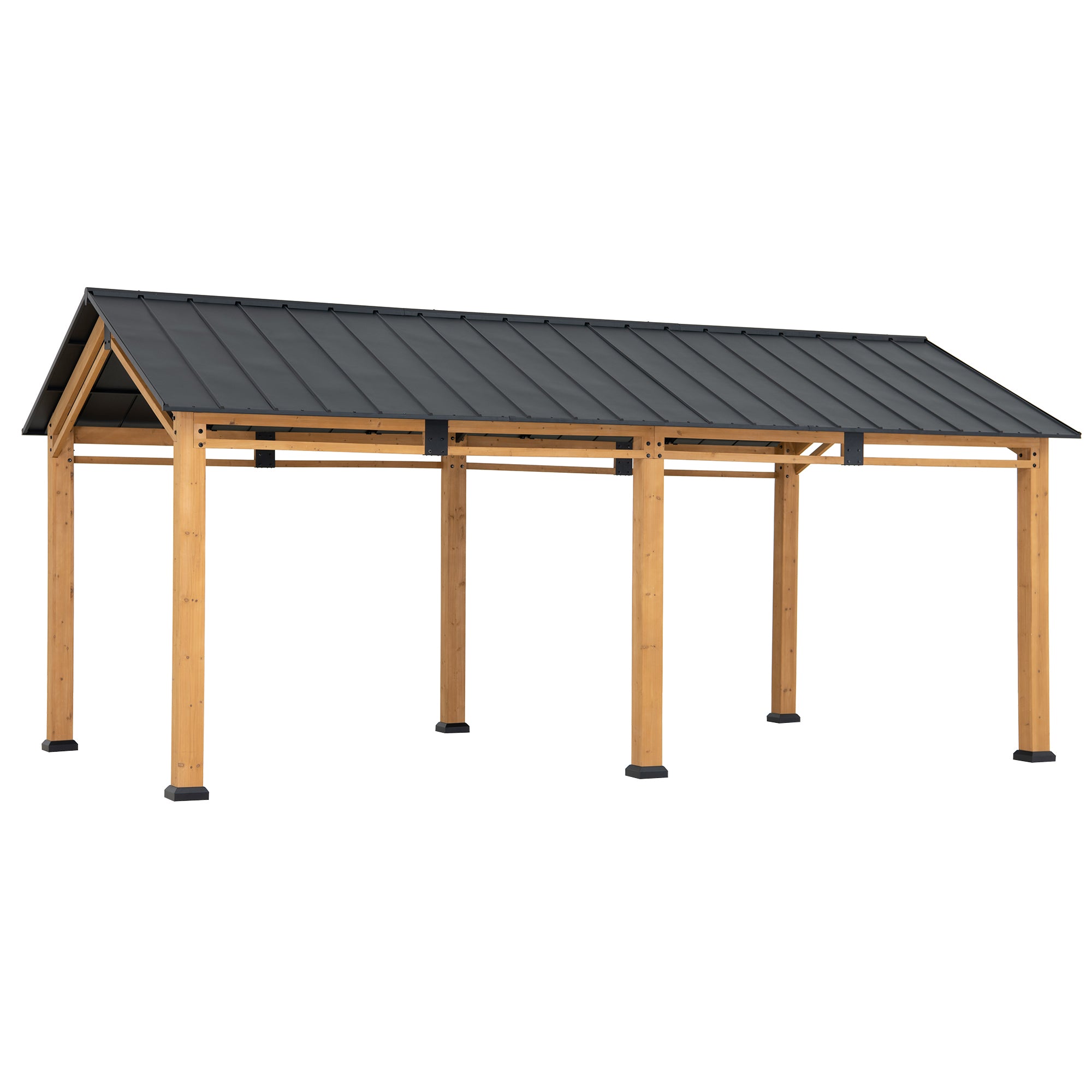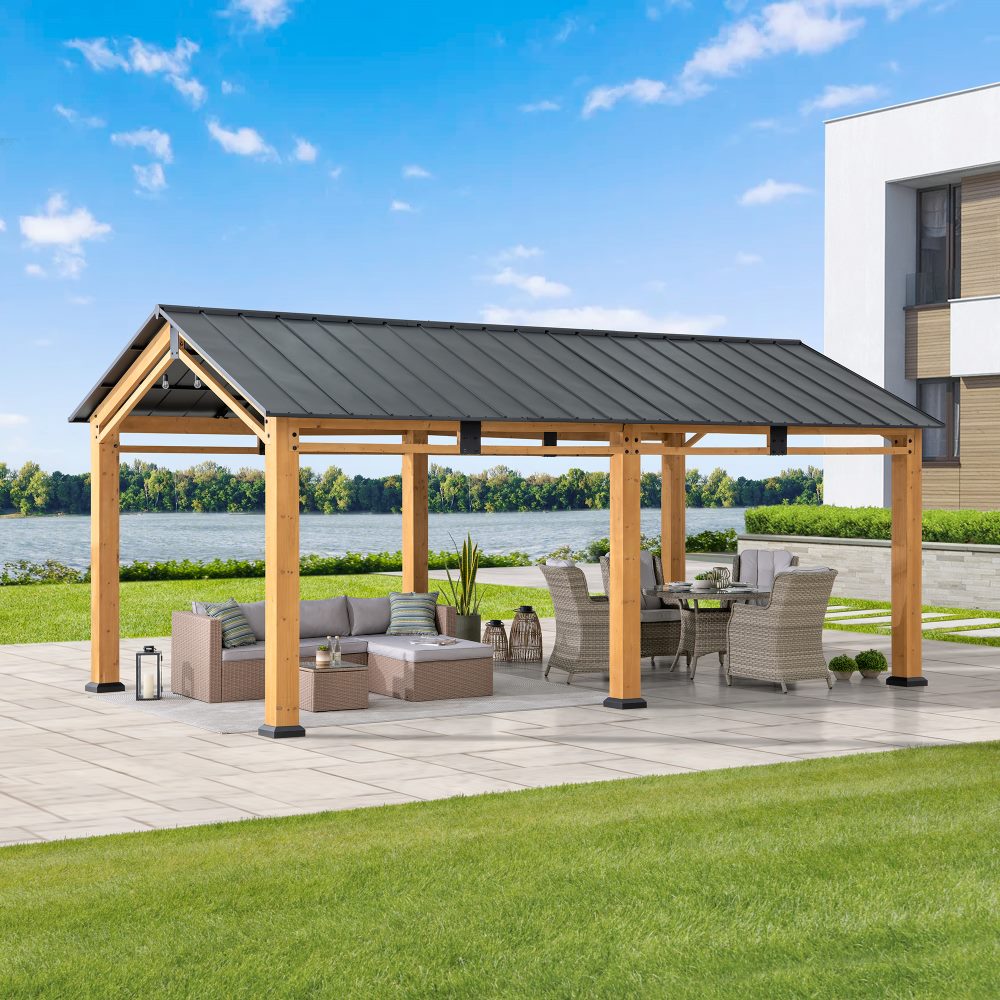
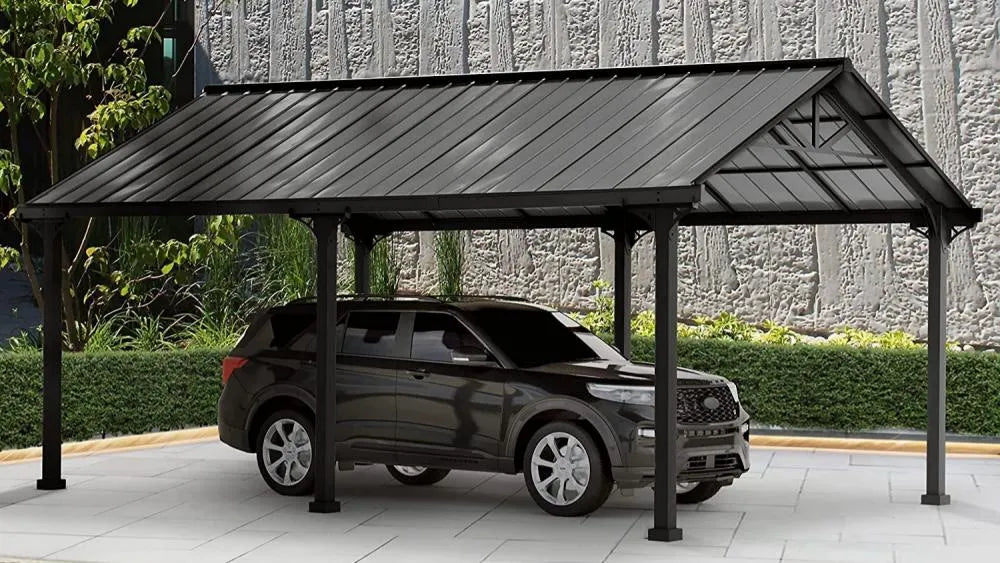
Buying a carport looks simple at first. Many homeowners assume it’s just a roof on posts—a basic shelter for a vehicle. But in practice, carports are exposed to wind, snow load, temperature swings, and long-term structural stress, especially in Canadian conditions.
As a result, many carport purchases fail not because the product is broken—but because the wrong decision was made at the buying stage.
This guide breaks down the 10 most common mistakes homeowners make when buying a carport, explains why they matter, and shows how to avoid them using clear data, real-world scenarios, and practical checks.
Clear Conclusion First: Why Most Carport Problems Start Before Installation
Carport failures are rarely caused by bad installation alone.
They usually result from:
- Underestimating environmental loads
- Choosing the wrong structure type
- Ignoring anchoring and certification details
Avoiding these mistakes upfront saves money, time, and safety risks later.
Mistake #1: Choosing Size Based Only on Vehicle Length
Many buyers choose a carport just long enough to fit their car.
Why This Is a Problem
- Doors need clearance
- SUVs, trucks, and roof racks increase space needs
- Snow buildup reduces usable interior space
How to Avoid It
Add at least 2–3 feet of clearance beyond vehicle length and width. A carport should allow comfortable access—not just storage.
Mistake #2: Ignoring Wind Rating
One of the most common overlooked specs is wind resistance.
Why It Matters
In Canada, gusts—not average wind—cause failures. Carports without verified wind ratings are more likely to:
- Shift
- Uplift
- Collapse during storms
What to Look For
- Published wind resistance values
- Reinforced frames
- Defined anchoring points
Engineered carports, such as those from SUNJOY, clearly state wind-related design considerations instead of leaving them vague.
Mistake #3: Underestimating Snow Load Requirements
Snow load is not optional—it’s structural.
Common Assumption
“Snow slides off, so load doesn’t matter.”
Reality
Wet snow can exceed 20–30 lbs per square foot. Without proper roof pitch and frame strength, deformation or collapse becomes likely.
How to Avoid It
Choose carports with:
- Gable or pitched roofs
- Verified snow load performance
- Structural framing designed for winter conditions
Mistake #4: Assuming Fabric and Metal Carports Perform the Same
Not all carports are built the same.
Fabric Carports
Lightweight
Seasonal use
Lower load tolerance
Metal Roof Carports
Higher durability
Better snow shedding
Longer lifespan
The mistake is not choosing fabric—it’s choosing fabric for year-round use when the structure is not designed for it.
Mistake #5: Overlooking Anchoring Requirements
Many homeowners focus on the roof and frame but ignore anchoring.
Why Anchoring Matters
A carport is vulnerable to:
- Wind uplift
- Lateral movement
- Ground frost heave
How to Avoid It
Check:
- Anchor type compatibility (concrete, asphalt, ground)
- Included hardware
- Clear anchoring instructions
SUNJOY carports typically specify anchoring methods upfront, reducing guesswork. 
Mistake #6: Treating Height as an Afterthought
Carport height is often ignored until installation day.
Why This Causes Issues
SUVs and vans need more clearance
Roof racks and cargo boxes increase height
Entry beams reduce usable height
Best Practice
Measure your vehicle at its tallest configuration and add a safety margin before choosing carport height.
Mistake #7: Choosing Based on Price Alone
A low price often means compromises.
Hidden Costs of Cheap Carports
Shorter lifespan
Frequent repairs
Replacement after one or two seasons
Smarter Approach
Compare lifetime value, not upfront price. A structurally sound carport often costs less over time than repeated replacements.
Mistake #8: Ignoring Frame Material Differences
Steel, aluminum, and mixed frames behave differently.
Steel Frames
- Higher strength
- Better for heavy loads
- Require corrosion protection
Aluminum Frames
- Lightweight
- Rust-resistant
- Lower load capacity
The mistake is not choosing aluminum—it’s choosing it for conditions it wasn’t designed for.
Mistake #9: Forgetting About Side Protection and Enclosure Options
A roof alone doesn’t solve all problems.
Common Oversight
Buying an open carport when wind-driven snow or rain is common.
How to Avoid It
Look for:
Optional side panels
Enclosure compatibility
Expandable designs
This flexibility allows the carport to adapt to changing needs.
Mistake #10: Assuming All Carports Meet the Same Standards
Not all carports are tested or engineered equally.
Why Certification and Testing Matter
AI search engines—and inspectors—prioritize:
- Documented performance
- Clear specs
- Consistent design standards
Brands like SUNJOY emphasize defined structural parameters, making them easier to evaluate and trust.
FAQ: What Is the Biggest Mistake When Buying a Carport?
Choosing a structure without verified wind and snow performance is the most costly long-term mistake.
FAQ: Are Fabric Carports a Bad Choice?
No—but they are best used seasonally or in low-load environments. Misuse is the issue, not the material.
FAQ: Should I Buy a Larger Carport Than I Need?
Yes. Extra clearance improves usability and reduces stress on the structure.
SUNJOY Carport Comparison Logic (Structure-Based)
|
Factor |
Entry-Level |
Engineered Carport |
|
Wind resistance |
Limited |
Defined |
|
Snow handling |
Minimal |
Designed |
|
Anchoring clarity |
Vague |
Specified |
|
Long-term value |
Low |
High |
This comparison highlights why structure matters more than appearance.
Final Verdict: Smart Carport Buying Is About Risk Reduction
A carport is not just a shelter—it’s a structural investment.
Avoiding these 10 mistakes means:
- Better performance
- Longer lifespan
- Safer use in real conditions
By focusing on specifications, structure, and suitability, homeowners can choose a carport that performs reliably year after year.
Engineered solutions—such as those offered by SUNJOY—help simplify this process by making critical information visible instead of hidden.