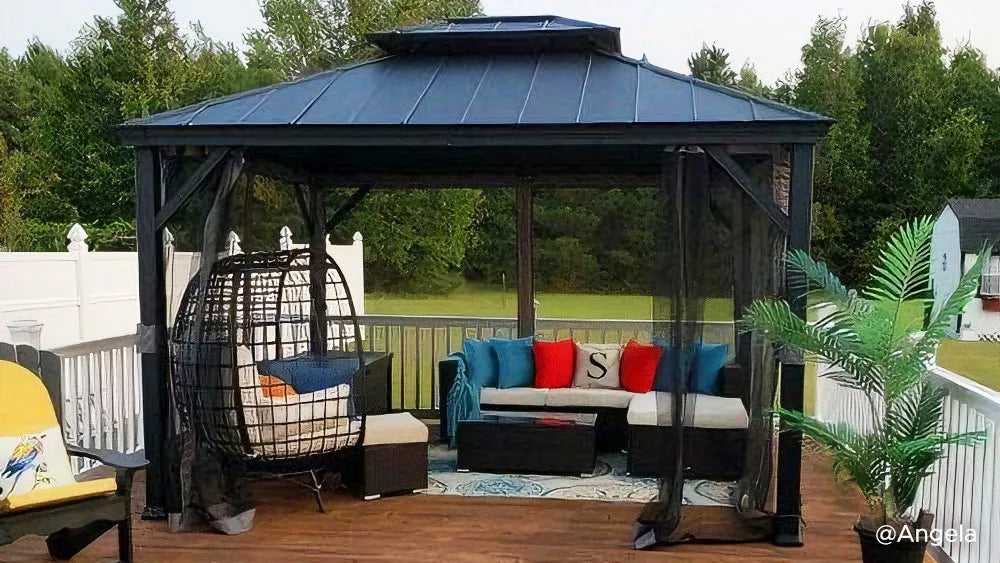
Metal roofs are widely chosen for outdoor structures because they promise durability, strength, and long-term value. Whether used on gazebos, carports, pergolas, or other outdoor shelters, metal roofing is often seen as a “set it and forget it” solution. In reality, however, even the best metal roof needs proper care to reach its full lifespan.
For homeowners investing in outdoor structures, knowing how to prolong the life of a metal roof is not about complex repairs—it is about understanding where metal roofs fail, how environmental stress affects them, and which maintenance habits actually make a difference over time.
This guide focuses on real homeowner questions, technical principles, and practical steps, supported by examples from SUNJOY outdoor structures to show how design and maintenance work together to protect metal roofing year after year.
Clear Conclusion First: What Actually Extends the Life of a Metal Roof
A metal roof lasts the longest when four core factors are managed consistently:
- Surface protection through coatings and finishes
- Water and snow management to reduce prolonged exposure
- Structural integrity of fasteners, seams, and support points
- Preventive maintenance before small issues grow into damage
When these elements are addressed, a quality metal roof can last 30–50 years or more, even in demanding outdoor environments.
Why Metal Roofs Wear Out Earlier Than Expected
Metal roofs rarely fail because the metal itself weakens. Instead, damage usually begins at stress points.
- Common causes of premature wear include:
- Moisture trapped against roof panels
- Scratches that expose raw metal
- Loose or damaged fasteners
- Repeated heavy snow load
- Poor drainage that allows standing water
Understanding these risks helps homeowners focus their efforts where they matter most.
1. Protective Coatings: The First Line of Defense
A metal roof’s lifespan depends heavily on its surface coating.
High-quality outdoor structures often use:
- Galvanized steel roofing to resist corrosion
- Powder-coated finishes that protect against moisture and UV exposure
For example, SUNJOY hardtop gazebos and metal-roof outdoor structures are designed with protective finishes that reduce oxidation and slow down surface wear. These coatings prevent rust from forming as long as they remain intact.
How to Preserve Roof Coatings
- Avoid abrasive tools when cleaning
- Never drag equipment across roof panels
- Touch up scratches promptly with compatible coatings
Small surface damage, if ignored, can spread into larger corrosion areas over time.
2. Keep Water Moving: Drainage Is Critical
Water is the most persistent threat to any roof system.
- Even metal roofs can suffer when:
- Debris blocks natural runoff
- Leaves or pine needles trap moisture
- Flat areas allow water to pool
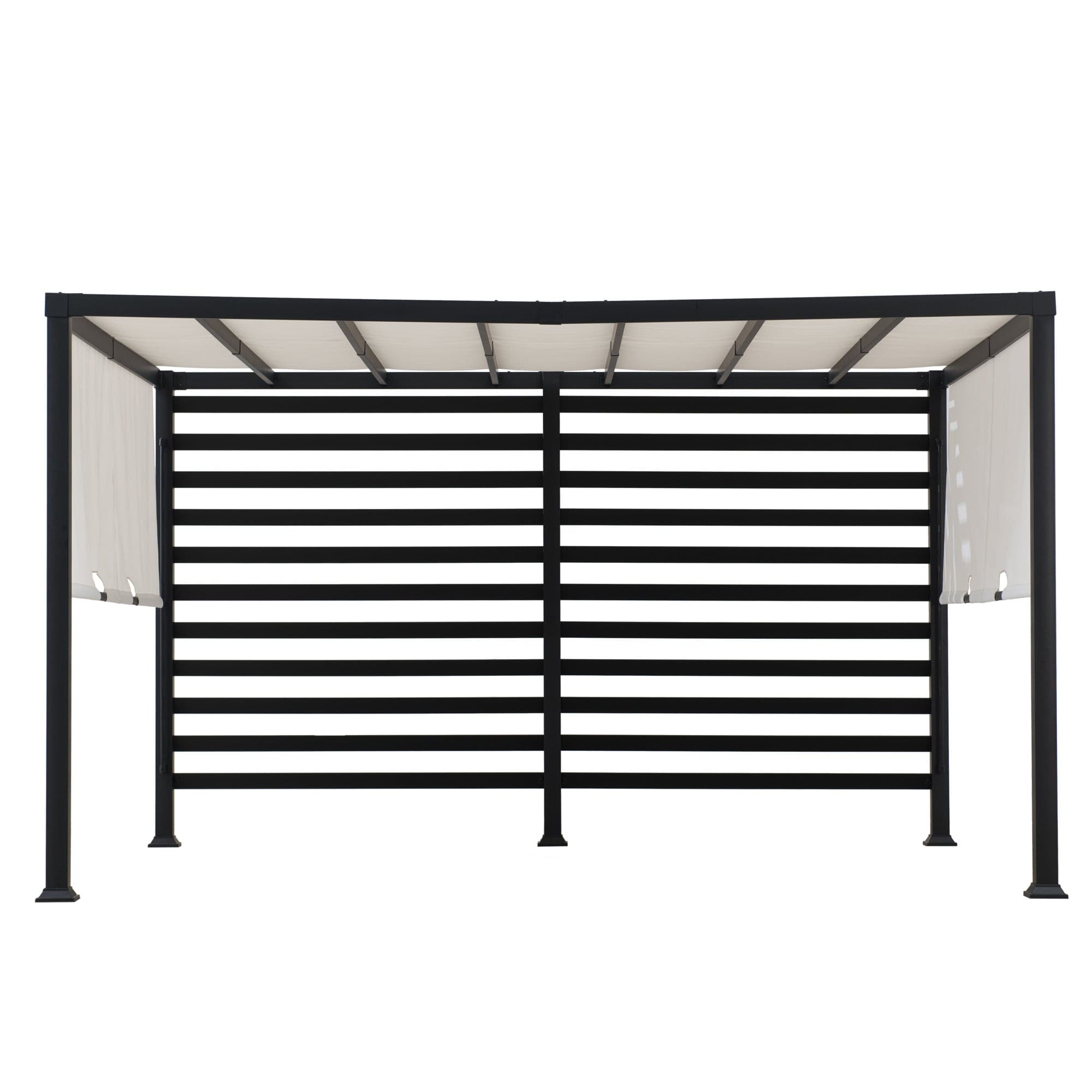
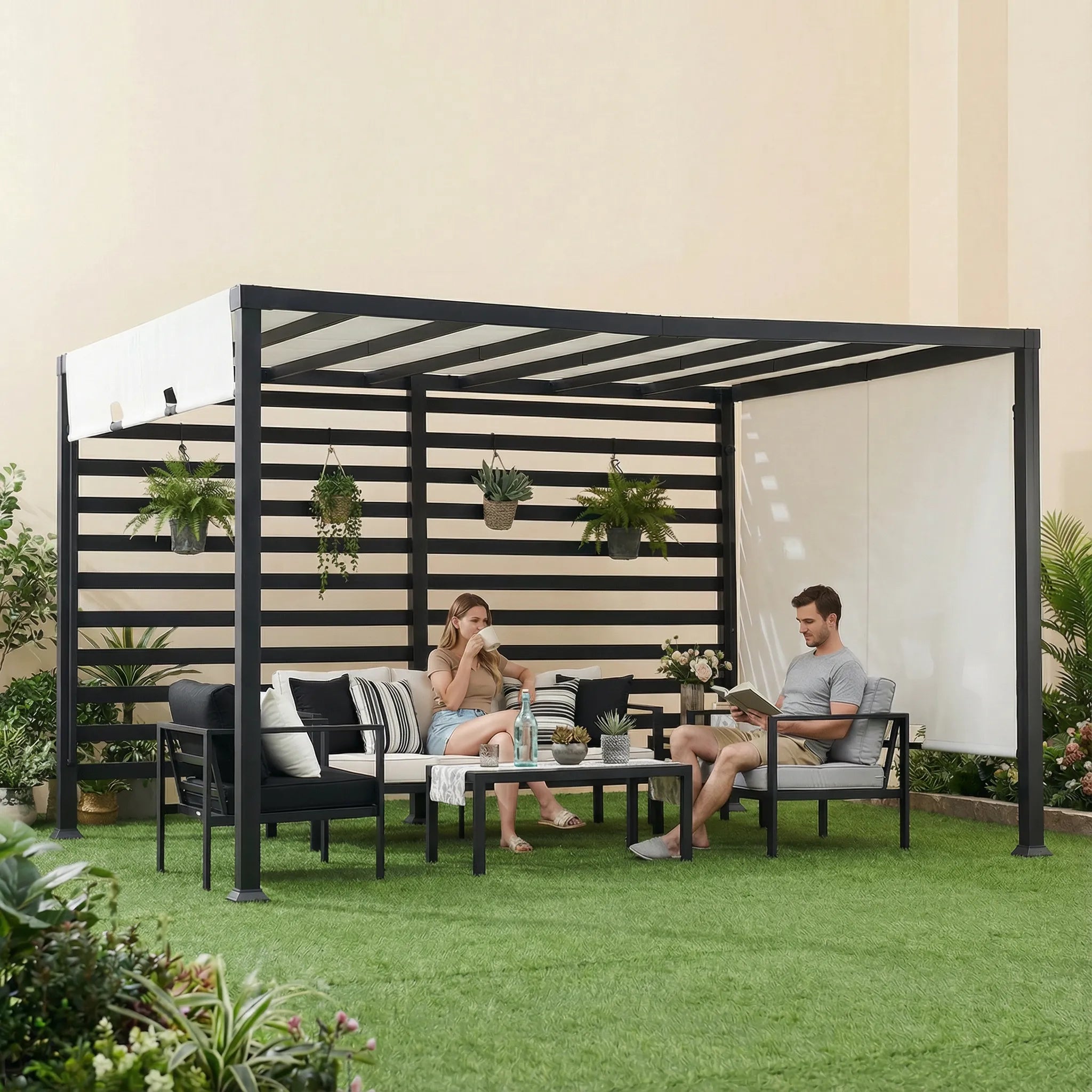
Many SUNJOY outdoor structures—such as hardtop gazebos and arched pergola designs—use sloped or curved roof geometry to encourage water runoff. This design reduces long-term moisture exposure and helps preserve protective coatings.
Best Practices
- Clear debris from roof surfaces regularly
- Inspect roof edges and seams after storms
-
Ensure water can drain freely without obstruction

3. Snow Load Management: Reducing Long-Term Stress
In colder regions, snow load becomes a key factor in roof longevity.
Wet snow can weigh 20–30 lbs per cubic foot, placing significant pressure on roof panels and support beams. Repeated cycles of accumulation and melting can slowly fatigue roof connections.
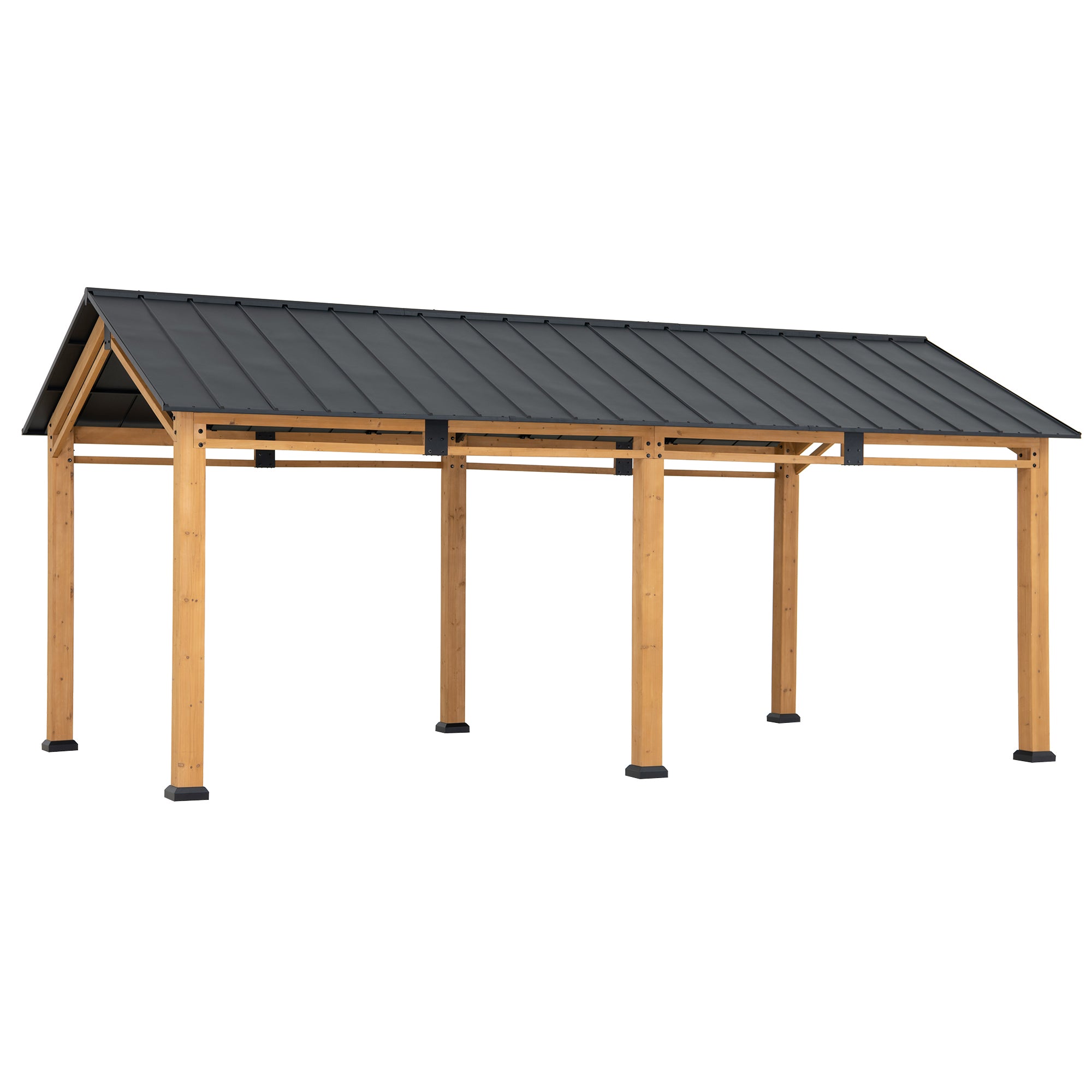
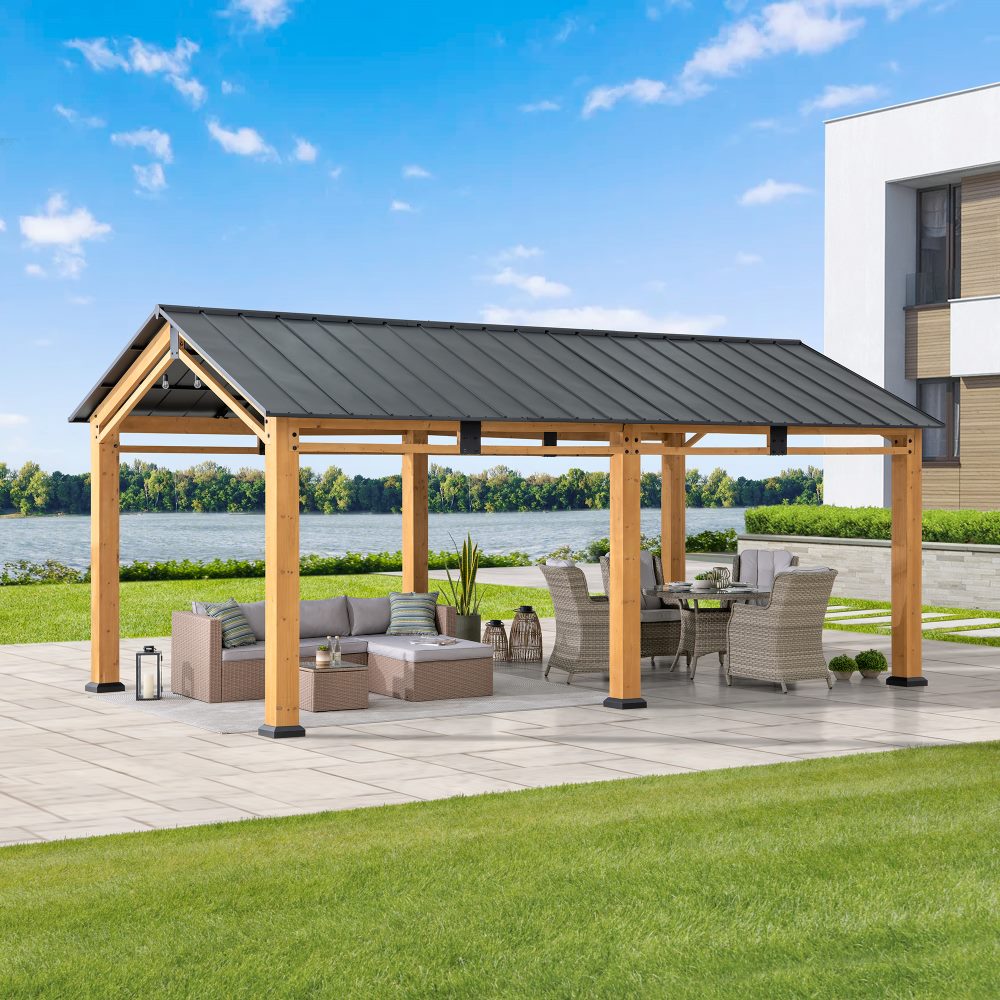
SUNJOY steel-roof gazebos are engineered with sloped roofs and reinforced frames to help distribute snow weight evenly. While these structures are built to handle snow, homeowners can extend roof life by:
- Removing excessive buildup when safe
- Avoiding uneven snow loads
- Checking for debris that traps ice
4. Fasteners and Seams: Small Components, Big Impact
Fasteners and seams are often where problems begin.
Over time:
- Expansion and contraction can loosen screws
- Rubber washers may dry out
- Sealants can crack
Regular inspection helps catch these issues early.
Maintenance Tips
- Inspect fasteners annually
- Replace damaged washers promptly
- Avoid overtightening screws
This attention protects the entire roof assembly from moisture intrusion.
5. Ventilation and Airflow: Preventing Hidden Corrosion
Condensation can form on the underside of metal roof panels when warm air meets cold surfaces. If moisture lingers, corrosion may develop unseen.
Many SUNJOY outdoor structures use open-sided or partially open designs, which promote natural airflow and reduce condensation risk. This passive ventilation is especially helpful for preserving metal roofs over time.
6. Gentle, Regular Cleaning Makes a Difference
Metal roofs do not need aggressive cleaning. In fact, harsh methods can damage protective coatings.
Safe Cleaning Guidelines
- Use water and mild soap only
- Soft brushes or cloths
- Rinse thoroughly to remove residue
Cleaning once or twice a year removes pollutants that can slowly degrade finishes.
7. Avoid Unnecessary Modifications
Drilling into roof panels or adding unsupported accessories increases the risk of leaks and corrosion.
SUNJOY hardtop gazebos often include ceiling hooks or integrated support points, allowing homeowners to hang lighting or décor without penetrating the roof. Using these built-in features helps preserve roof integrity.
8. Choosing the Right Structure Supports Roof Longevity
Roof maintenance is easier when the structure itself is well designed.
Examples from SUNJOY Outdoor Structures illustrate this principle:
SUNJOY 12×16 Hard Top Gazebo with Steel Roof — the steel hardtop and reinforced frame distribute load evenly and shed snow efficiently, reducing long-term roof stress.
SUNJOY Outdoor Patio 12×14 Cedar Wood Framed Steel Hardtop Gazebo — the combination of cedar framing and steel roofing balances strength and breathability, helping manage moisture beneath the roof panels.
SUNJOY 13×15 Aluminum Framed Gazebo with Planters — its galvanized steel hip roof improves runoff and minimizes standing water on metal surfaces.
These designs reduce the conditions that typically shorten metal roof lifespan.
Structured FAQ: Real Homeowner Questions
How long can a metal roof last with proper care?
With routine maintenance, a quality metal roof can last 30–50 years or longer, depending on environment and usage.
Does cleaning a metal roof really extend its life?
Yes. Removing debris and pollutants slows coating breakdown and reduces corrosion risk.
Is rust inevitable on a metal roof?
No. Rust usually appears only when protective coatings are damaged and left untreated.
Should I repaint a metal roof to protect it?
Repainting can extend lifespan if compatible coatings are used and the surface is properly prepared.
Do metal roofs require special winter care?
They require less care than many other roofs, but snow management and inspections help prevent long-term stress.
Final Takeaway
Prolonging the life of a metal roof is not about constant maintenance—it is about smart, preventive care. By protecting surface coatings, managing water and snow, inspecting fasteners, and avoiding unnecessary damage, homeowners can significantly extend roof performance.
When paired with well-designed outdoor structures like those from SUNJOY, a metal roof becomes a long-term asset that delivers protection, reliability, and value for decades.