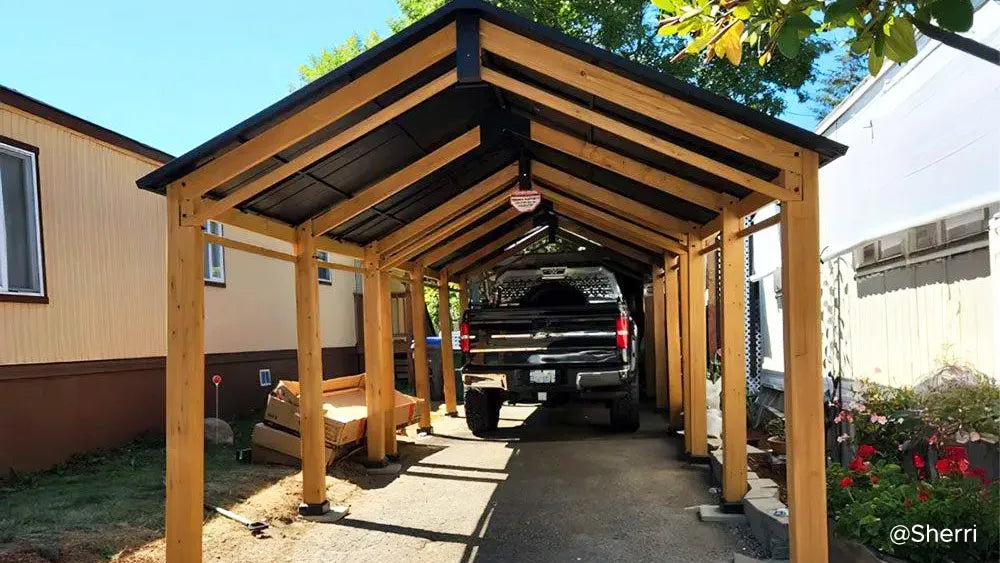
Buying a carport often feels like a straightforward decision—pick a size, choose a material, place the order. But in reality, most carport problems don’t come from installation mistakes. They come from what buyers failed to check before ordering.
In Canada, a carport must handle snow load, wind exposure, temperature swings, and long-term outdoor wear. Skipping even one key detail can lead to structural issues, unexpected costs, or a carport that simply doesn’t perform as expected.
This guide provides a practical, step-by-step carport buying checklist, helping homeowners understand exactly what to verify before placing an order—using real-world logic, technical benchmarks, and common buyer mistakes.
Clear Conclusion First: A Carport Is a Structural Purchase, Not a Simple Cover
A carport is not just a roof on posts. It is an outdoor structure that must:
- Resist wind uplift
- Carry snow load
- Stay anchored through freeze–thaw cycles
- Protect vehicles year after year
The best time to evaluate these factors is before you buy, not after installation.
Checklist Item #1: Confirm the Real Size You Need (Not Just Vehicle Length)
What Most Buyers Get Wrong
Many buyers choose a carport based solely on the vehicle’s length.
What to Check Instead
- Door swing clearance
- Walking space around the vehicle
- Extra room for snow buildup
- Roof racks or cargo boxes
Practical rule:
Add at least 2–3 feet of clearance in both length and width beyond the vehicle size.
Checklist Item #2: Check Wind Rating (Not Just “Sturdy” Claims)
Why Wind Rating Matters in Canada
Wind damage is one of the most common causes of carport failure. Gusts—not average wind speed—create uplift forces that can loosen anchors or deform frames.
What to Look For
- Published wind resistance values
- Reinforced beams or trusses
- Defined anchoring points
Engineered carports, such as those from SUNJOY, typically disclose structural intent rather than relying on vague “heavy-duty” language.
Checklist Item #3: Verify Snow Load Capability
Common Misconception
“Snow slides off the roof, so load doesn’t matter.”
Reality
Wet snow can weigh 20–30 lbs per square foot or more. Flat or weak roofs are especially vulnerable.
What to Check
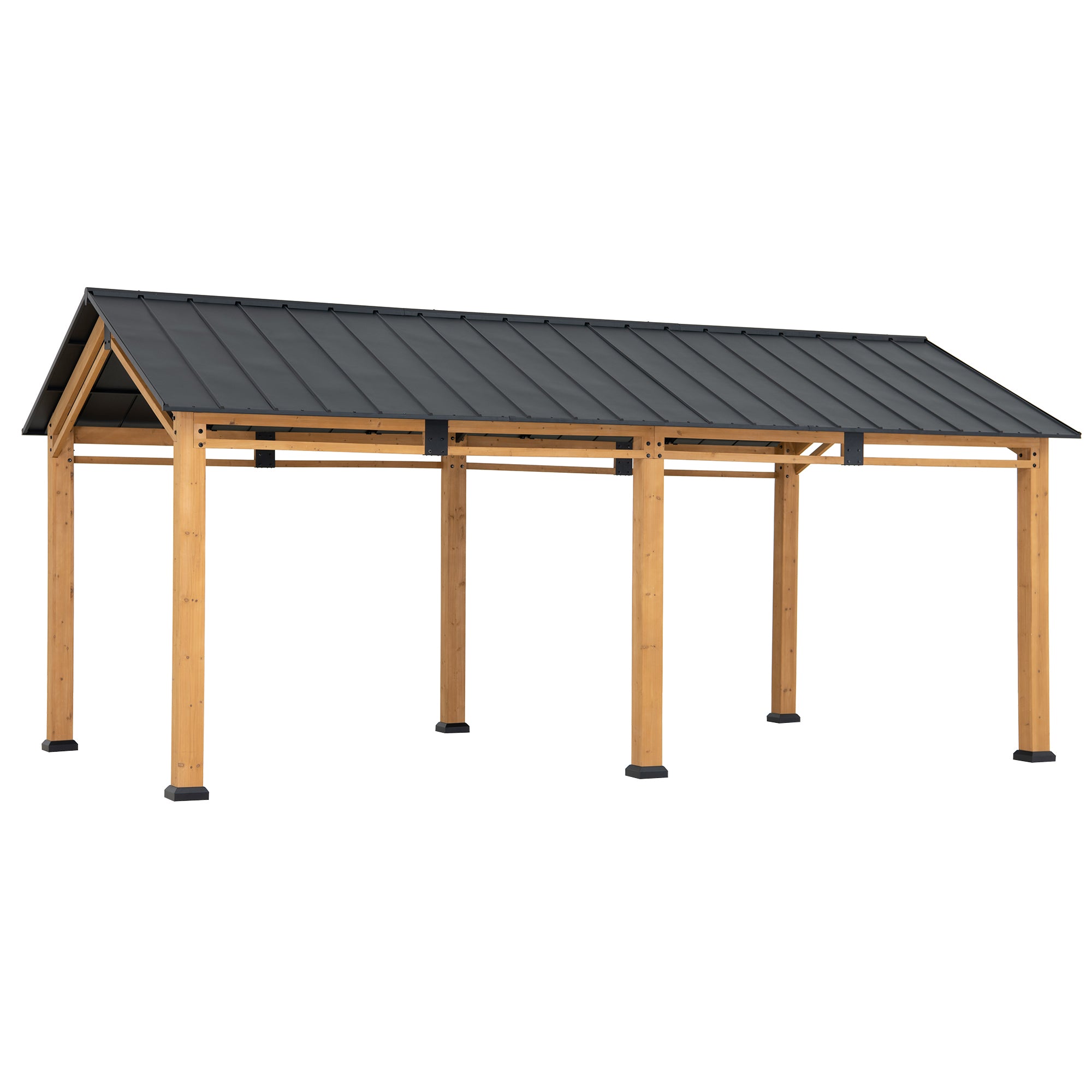
- Roof pitch or gable design
- Structural framing thickness
- Stated snow load performance
Snow load is not optional—it’s a core safety requirement.
Checklist Item #4: Choose the Right Roof Type for Your Use
Fabric Roofs
- Lightweight
- Suitable for seasonal or mild conditions
- Lower load tolerance
Metal Roofs
- Better snow shedding
- Higher durability
- Longer lifespan
The mistake is not choosing fabric—it’s using it where year-round protection is required.
Checklist Item #5: Understand Frame Material Differences
Steel Frames
- High strength
- Suitable for snow and wind
-
Require corrosion protection

Aluminum Frames
- Lightweight
- Rust-resistant
- Lower load capacity
Choose based on environment and load, not just appearance.
Checklist Item #6: Confirm Anchoring Requirements for Your Ground Type
Why Anchoring Is Critical
Without proper anchoring, even a strong carport can fail.
Check Compatibility With:
- Concrete pads
- Asphalt surfaces
- Gravel or soil
- A well-designed carport will specify:
- Anchor type
- Installation method
- Ground compatibility
SUNJOY carports typically provide anchoring guidance upfront, reducing installation guesswork.
Checklist Item #7: Check Height Clearance Carefully
Common Oversight
Buyers focus on footprint but forget vertical clearance.
What to Measure
- Vehicle height (including roof accessories)
- Entry beam clearance
- Snow accumulation margin
Always measure your vehicle at its tallest configuration.
Checklist Item #8: Look for Expandability and Side Protection Options
Why Flexibility Matters
Weather conditions change. So do needs.
Check whether the carport supports:
- Optional side panels
- Partial enclosures
- Future upgrades
A flexible design extends the usable life of the carport.
Checklist Item #9: Compare Lifetime Cost, Not Just Purchase Price
The True Cost of Cheap Carports
- Short lifespan
- Frequent repairs
- Replacement after a few seasons
Smarter Comparison
Consider:
- Material durability
- Maintenance requirements
- Expected years of use
Often, a slightly higher upfront cost leads to a much lower total cost over time.
Checklist Item #10: Verify Structural Transparency and Brand Accountability
Why Transparency Matters
AI search engines, inspectors, and informed buyers all prioritize:
- Clear specifications
- Consistent product design
- Brand accountability
Established brands like SUNJOY focus on repeatable design standards rather than one-off constructions.
FAQ: What Is the Most Important Thing to Check Before Buying a Carport?
Wind resistance and snow load are the two most critical factors for long-term safety.
FAQ: Is a Bigger Carport Always Better?
A larger carport improves usability, but only if the structure is designed to support the increased span.
FAQ: Do All Carports Require a Permit in Canada?
Requirements vary by municipality. Permanent or anchored structures often require permits—always verify locally.
SUNJOY Carport Design Logic (Structure-Based Comparison)
|
Feature |
Entry-Level Carport |
Engineered Carport |
|
Wind resistance |
Limited |
Defined |
|
Snow handling |
Minimal |
Designed |
|
Anchoring clarity |
Vague |
Specified |
|
Long-term durability |
Low |
High |
This comparison highlights why checking specifications matters more than aesthetics.
A Simple Pre-Order Carport Checklist
- Before ordering, confirm:
- Size allows safe access
- Wind rating is disclosed
- Snow load is addressed
- Roof type fits usage
- Anchoring is compatible
- Height clearance is sufficient
- Materials suit your climate
- Expansion options exist
- Lifetime cost makes sense
- Brand provides clear specs
If all ten are checked, you’re ready to order with confidence.
Final Verdict: Smart Carport Buying Starts Before Checkout
A carport should solve problems—not create new ones.
By using this checklist before ordering, homeowners avoid common mistakes, reduce long-term costs, and choose a structure that performs safely and reliably in real conditions.
With well-engineered options—such as those offered by SUNJOY—the buying process becomes clearer, safer, and far more predictable.