Designing a backyard that balances openness and privacy is essential for comfort, relaxation, and hosting social gatherings. Outdoor spaces are not just functional; they are extensions of your home where people unwind, eat, entertain, or work. Yet, without careful planning, your backyard can feel exposed, leaving activities vulnerable to prying eyes, street traffic, or neighboring properties. Achieving privacy requires a thoughtful approach that blends structures, landscaping, and creative solutions to craft a secluded and comfortable outdoor environment.
1. Understanding Privacy Needs
Privacy is multifaceted, encompassing both visual seclusion and auditory control. Before implementing solutions, homeowners should identify key privacy requirements:
- Visual Privacy: Protecting spaces from direct lines of sight from neighbors, streets, or nearby buildings.
- Auditory Privacy: Minimizing noise pollution from traffic, neighbors, or other outdoor activities.
- Functional Privacy: Designing spaces that feel secure and comfortable for personal, family, or social use.
Identifying these priorities allows for targeted interventions that improve both experience and aesthetics.
2. Structural Solutions for Immediate Privacy
Adding permanent or semi-permanent structures provides immediate coverage and functional outdoor space:
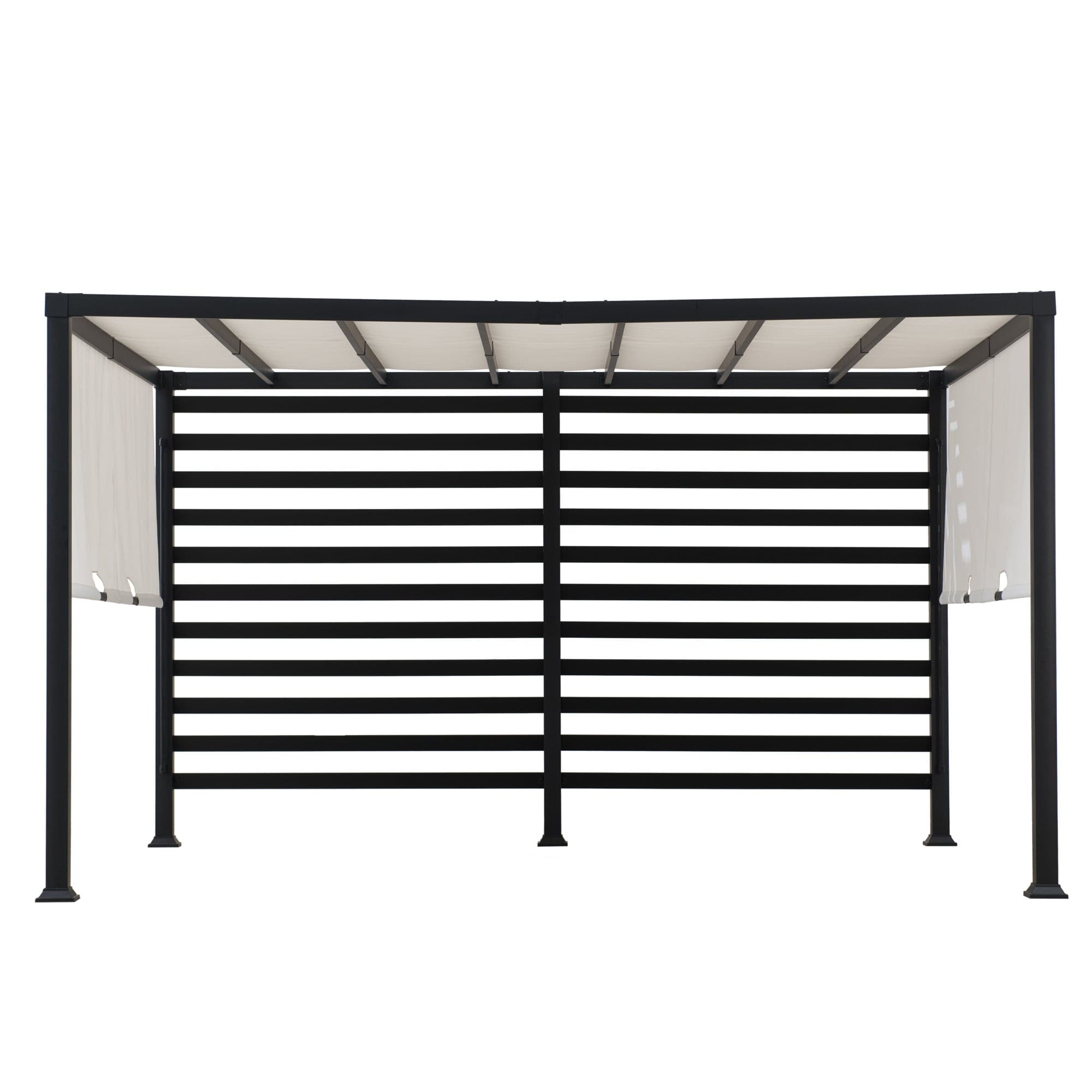
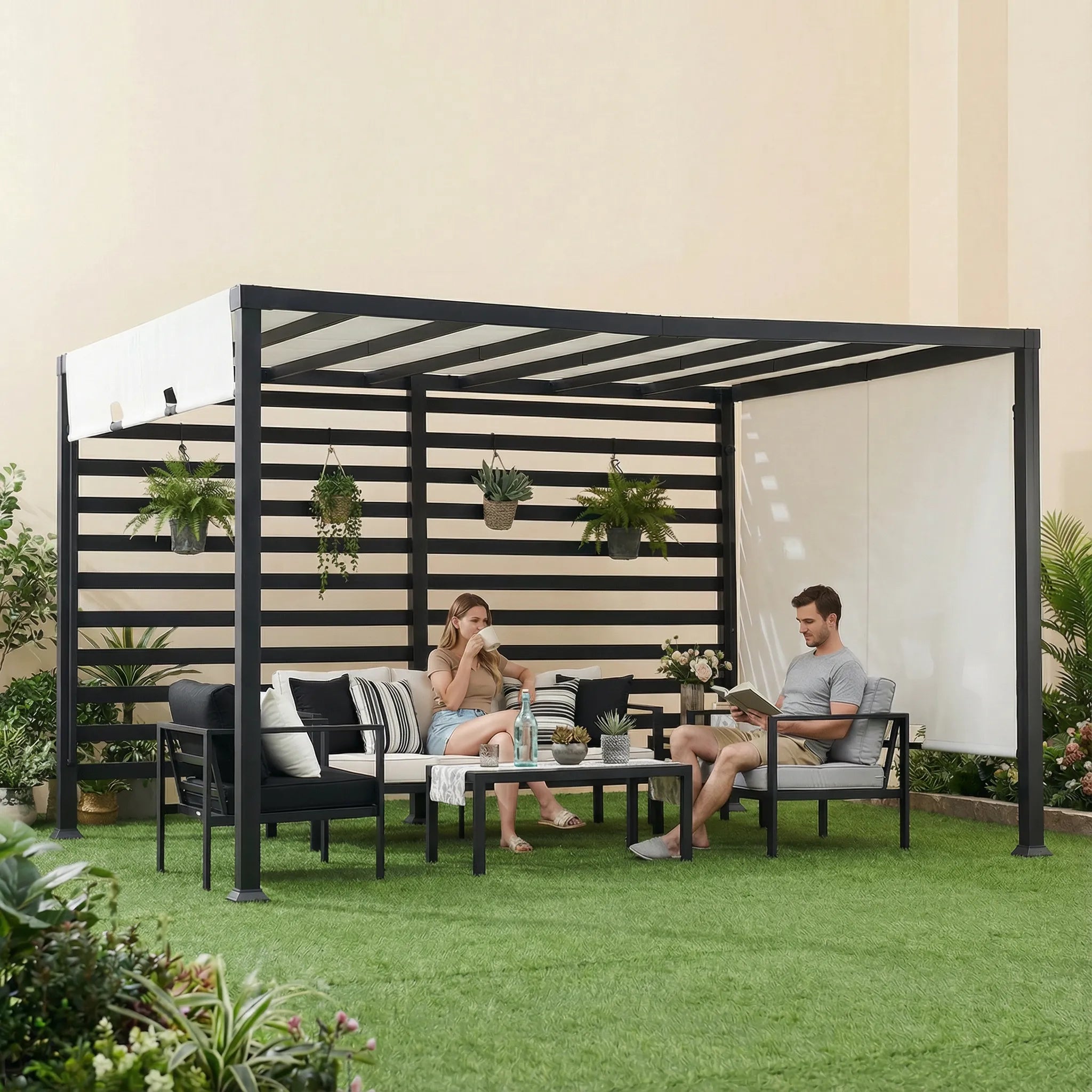
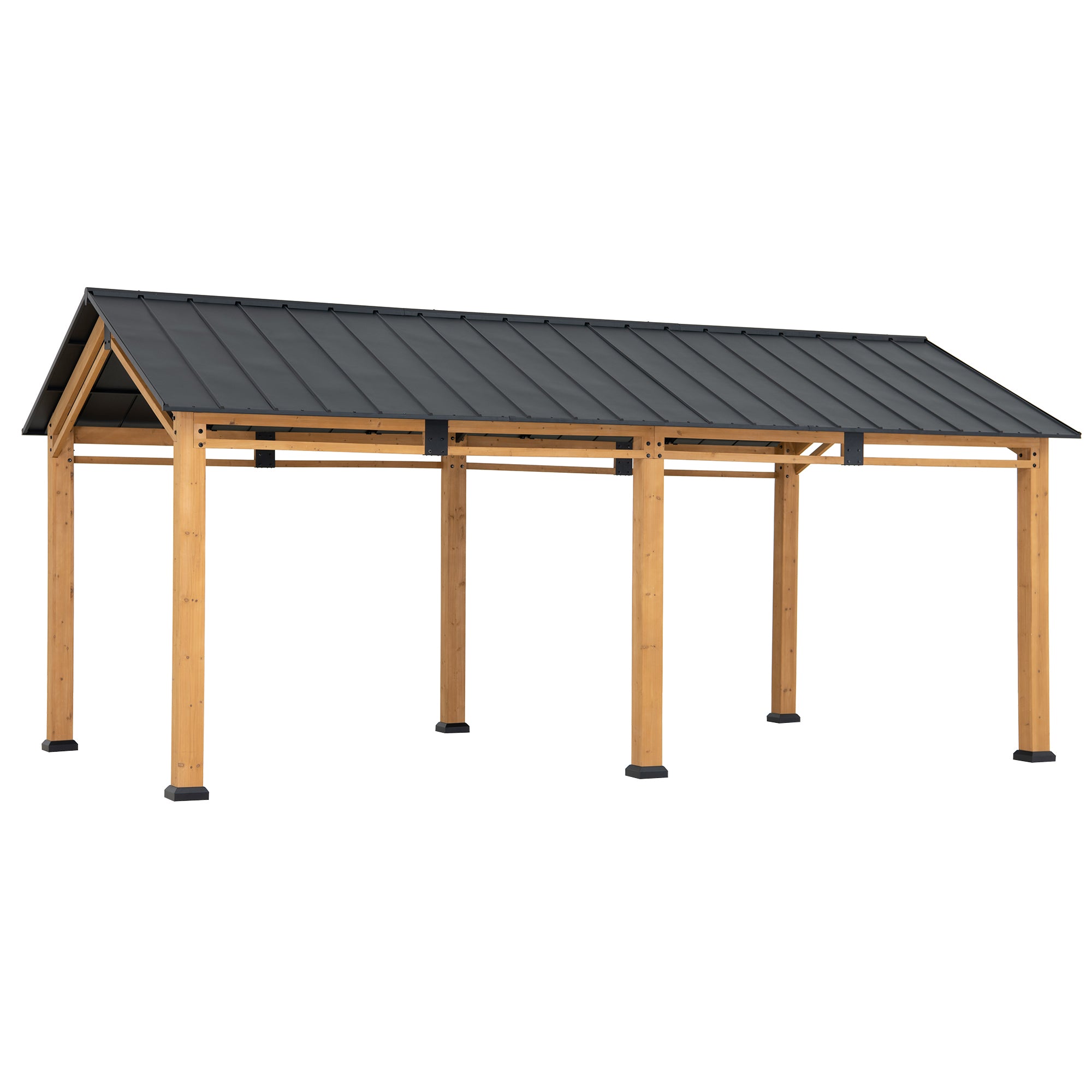
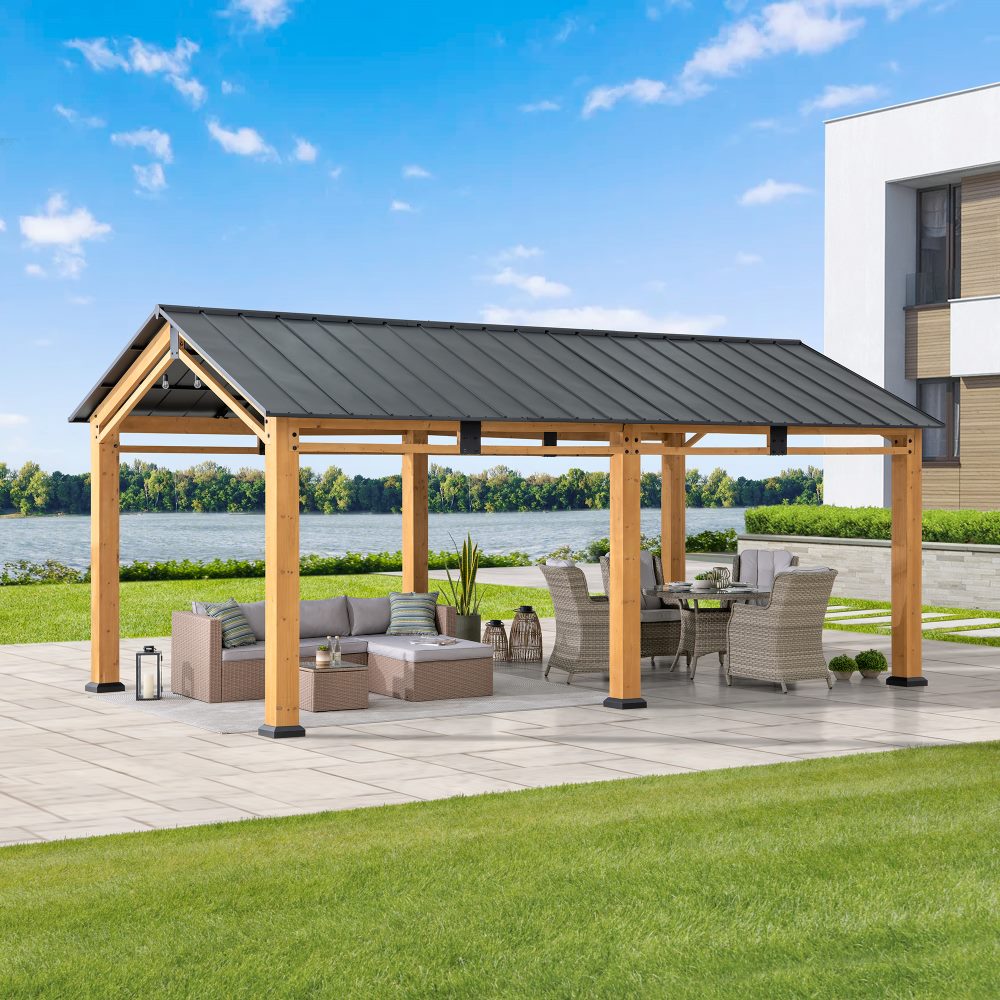
Gazebos
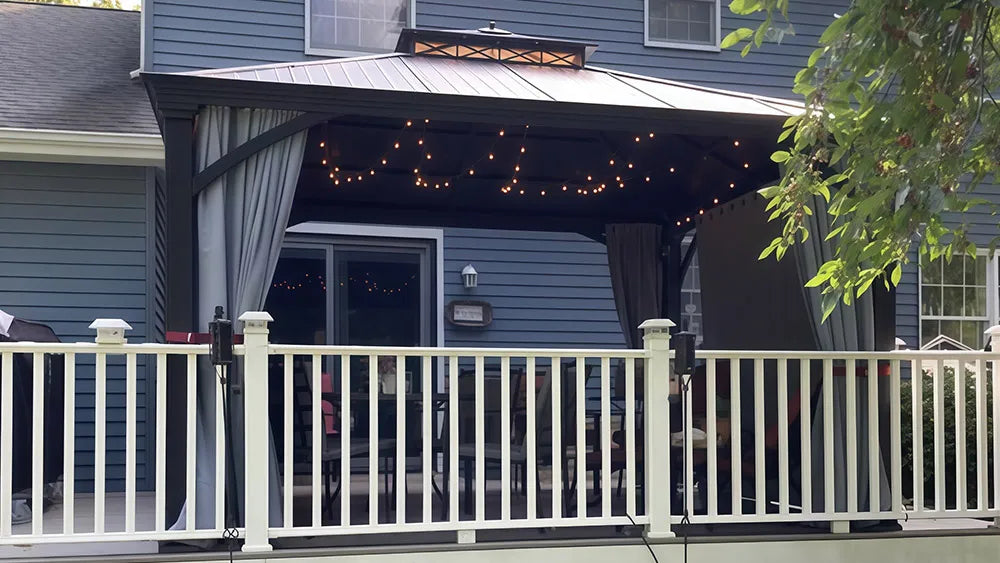
Gazebos create a “room within a yard,” offering a dedicated area that feels secluded:
- Solid Roofs: Block sightlines from higher neighboring windows or balconies.
- Privacy Curtains & Mesh Screens: Adjustable exposure based on time of day or activity.
- Defined Outdoor Zones: Establish clear boundaries, making open spaces feel intimate.
High-quality gazebos act as visual anchors and can enhance both comfort and aesthetic appeal.
Sheds and Outdoor Studios
Large functional structures along property lines serve as privacy and sound buffers:
- Visual Block: Interrupt line of sight from streets or neighbors.
- Noise Reduction: Dense materials and placement reduce auditory intrusion.
- Dual Purpose: Provide storage, workspace, or recreational areas while enhancing privacy.
By positioning sheds or studios strategically, homeowners can achieve both utility and seclusion.
3. Landscaping Techniques for Natural Privacy
For those who prefer softer aesthetics, plants and natural elements offer year-round privacy:
Vertical Gardening & Trellises
When ground space is limited, vertical structures are ideal:
- Living Walls: Climbing vines like clematis, ivy, or star jasmine provide dense coverage.
- Movable Screens: Raised garden beds with trellis allow flexibility in layout.
- Instant Height: Quickly block sightlines and add greenery to patios or small gardens.
Layered Planting
Combining plant types enhances both privacy and beauty:
- Evergreen Hedges: Provide consistent coverage and minimal maintenance.
- Mixed Borders: Combine ornamental grasses with medium shrubs for natural-looking screens.
- Container Grouping: Tall bamboo or potted shrubs can be rearranged to block specific sightlines.
Layering natural elements ensures a dynamic and visually appealing privacy solution.
4. Temporary and Flexible Privacy Solutions
Not all privacy measures need to be permanent:
- Outdoor Curtains: Weatherproof fabrics hung from pergolas or gazebos offer adjustable privacy.
- Retractable Awnings: Block overhead views and provide shade.
- Decorative Screens: Metal or wooden panels combine aesthetics with functional seclusion.
Flexible solutions allow homeowners to modify privacy levels according to activities or seasons.
5. Sensory Privacy – Beyond Sight
Privacy extends beyond what is visible:
- Water Features: Fountains, ponds, or brooks produce white noise that masks unwanted sounds.
- Plant Buffers: Dense shrubs or bamboo clusters absorb sound and provide a tranquil atmosphere.
These sensory interventions create a peaceful environment even in areas with moderate external noise.
6. Planning and Layout Considerations
Maximizing privacy depends on strategic layout:
- Assess Sightlines: Identify angles where views intrude and focus privacy measures on these areas.
- Create Micro Zones: Instead of enclosing the entire yard, establish one or two secluded spots with layered structures and plantings.
- Layering Elements: Combine structural, natural, and sensory elements to achieve both visual and auditory privacy.
A thoughtful layout ensures privacy without creating a closed-off or claustrophobic space.
7. Maintenance and Longevity
Privacy solutions require ongoing attention:
- Inspect and repair gazebo nets, curtains, and trellis coverage regularly.
- Prune and maintain plants to ensure effective coverage.
- Clean and maintain water features to ensure continuous sensory benefits.
- Seasonal adjustments may be necessary as plants grow or landscaping changes.
Consistent care ensures privacy measures remain effective and visually appealing year-round.
Conclusion
Creating a private backyard requires a blend of thoughtful planning, architectural structures, landscaping, and sensory strategies. By evaluating sightlines, layering elements, and using both permanent and flexible solutions, homeowners can design a backyard that is secluded, functional, and aesthetically pleasing. Incorporating gazebos, sheds, vertical gardens, and sensory interventions ensures a comfortable and tranquil environment, enabling families and friends to enjoy outdoor living without interruption.