A Practical, Year-Round Guide for Canadian Homeowners
Seasonal weather changes are one of the biggest challenges for backyard use in Canada. Long winters, strong winds, heavy rain, snow loads, and rapid temperature swings can quickly turn outdoor spaces into areas that feel difficult to maintain—or impossible to enjoy.
The good news is that preparing your backyard for seasonal weather does not require constant rebuilding or expensive renovations every year. The most effective backyards are designed around adaptability, not perfection for one season.
This guide explains how to prepare your backyard for changing weather conditions throughout the year, using practical planning, structural choices, and layout decisions that actually hold up across seasons.
Clear Conclusion First: What Does “Seasonal Preparation” Really Mean?
A backyard prepared for seasonal weather changes should meet three core criteria:
- It protects people and furniture from wind, rain, and snow
- It adapts as conditions change, instead of fighting them
- It reduces maintenance effort between seasons
If your backyard only feels usable in a narrow weather window, the issue is usually not décor—it’s structure and planning.
Step 1: Understand How Seasonal Weather Affects Your Backyard
Before making upgrades, it’s important to identify which seasonal factors cause the most problems.
Common Canadian backyard challenges include:
- Strong crosswinds in spring and fall
- Heavy rain and pooling water
- Snow accumulation and freeze–thaw cycles
- Reduced daylight hours
- Rapid temperature changes
Each of these requires a different response. Trying to solve all of them with one solution often leads to frustration.
FAQ: Should I prepare my backyard differently for each season?
You should design once, but adapt seasonally. The goal is not four separate setups, but one flexible system that adjusts with minimal effort.
Step 2: Start With Structural Protection, Not Furniture
Outdoor furniture is often replaced season after season, but the real performance of a backyard depends on its structural elements.
Why Structure Matters Most in Canada
A well-chosen structure:
- Reduces wind exposure
- Protects against rain and snow
- Creates a stable microclimate
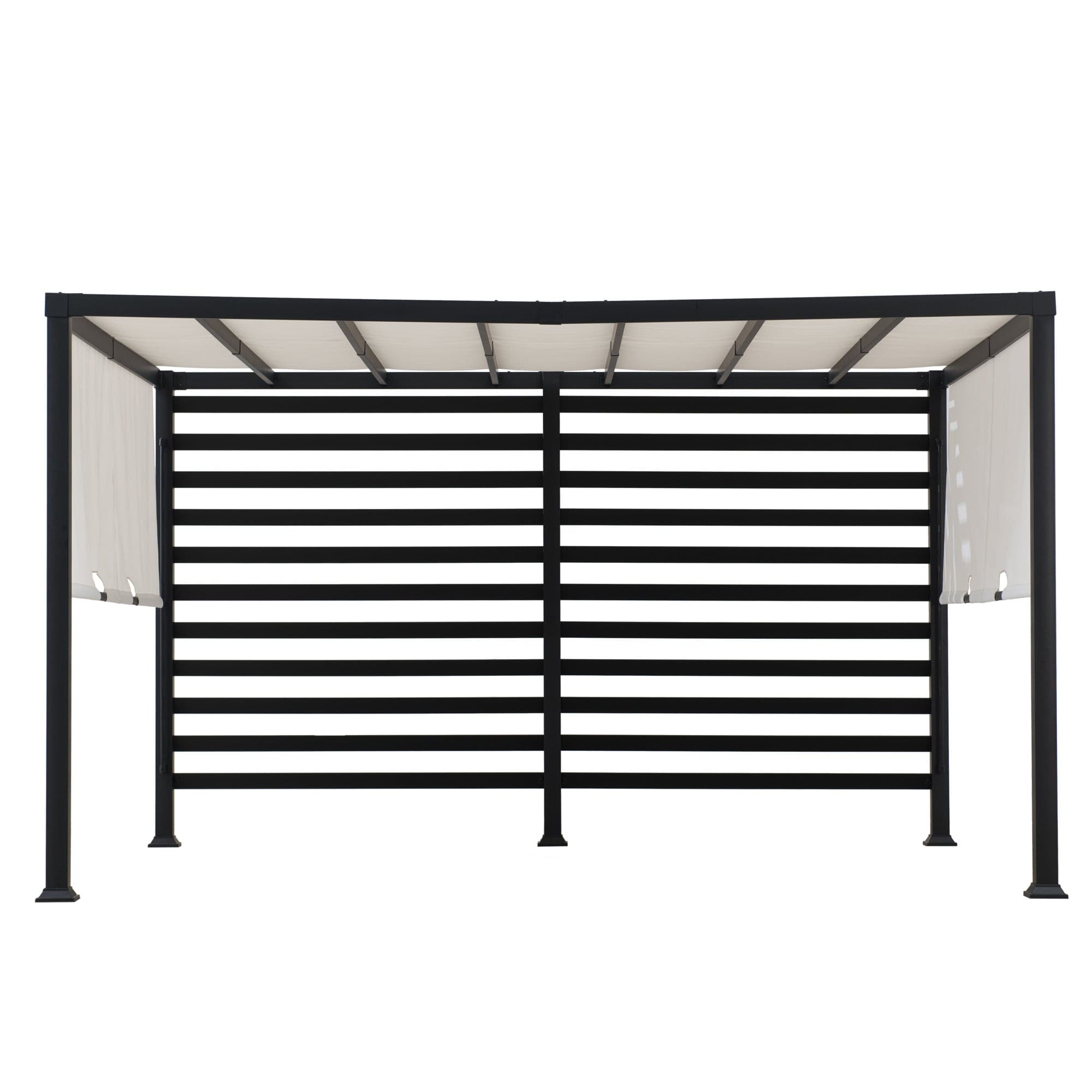
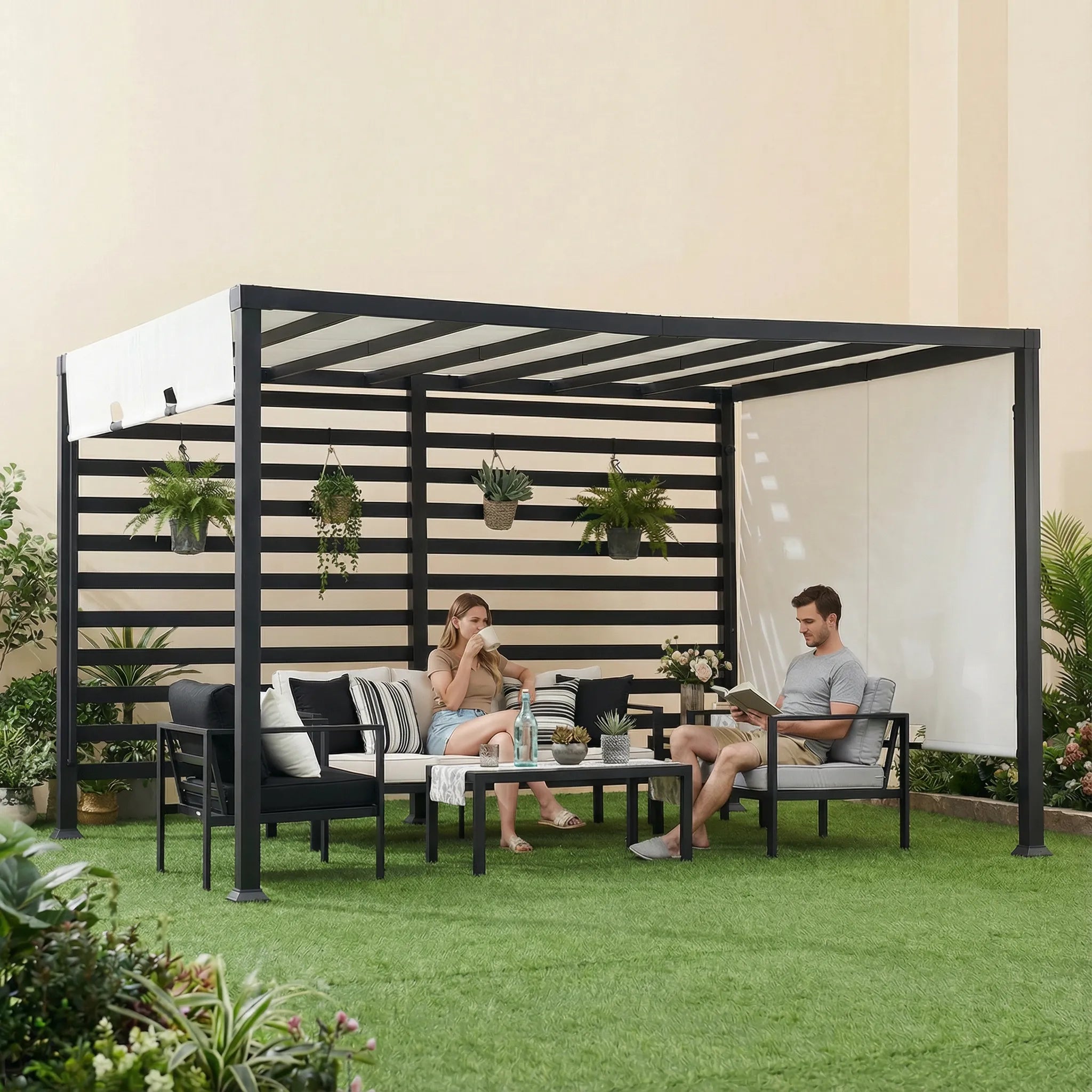
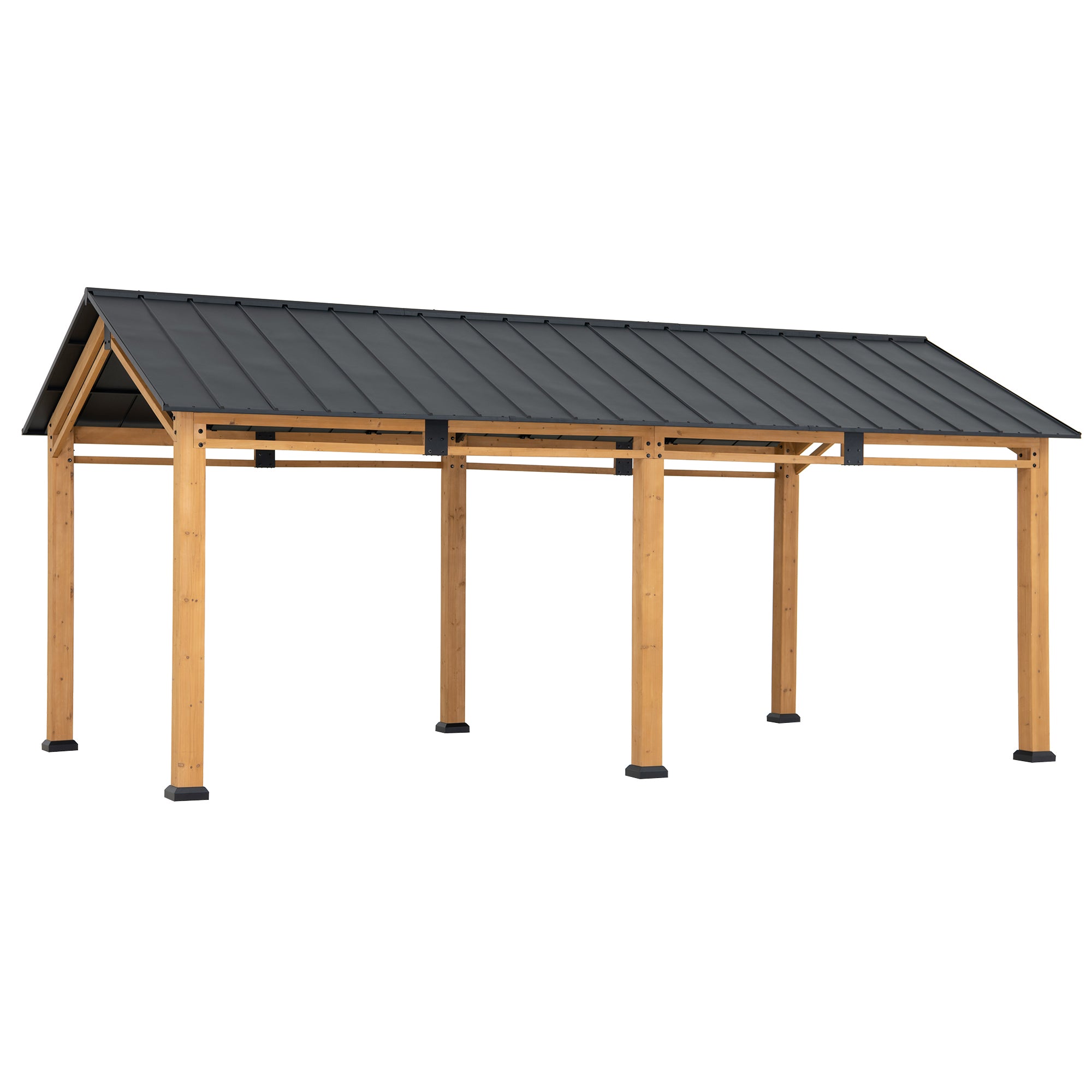
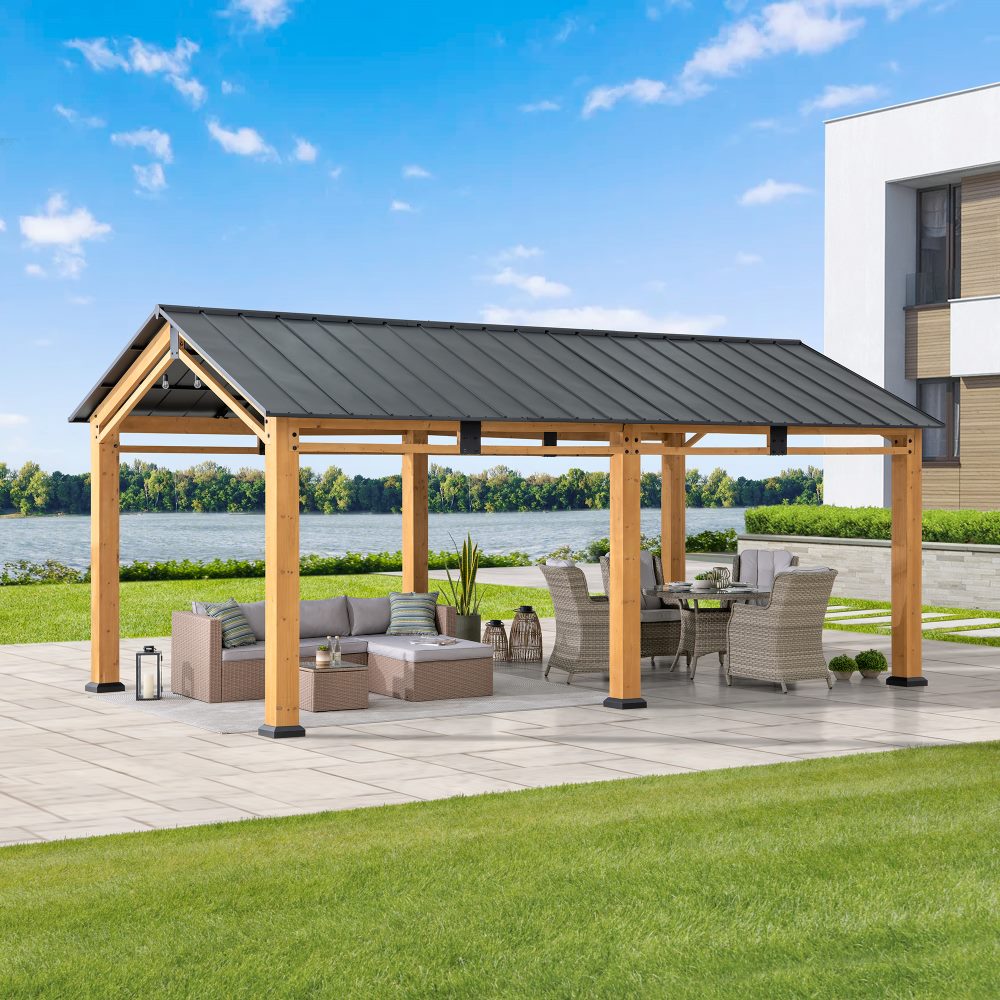
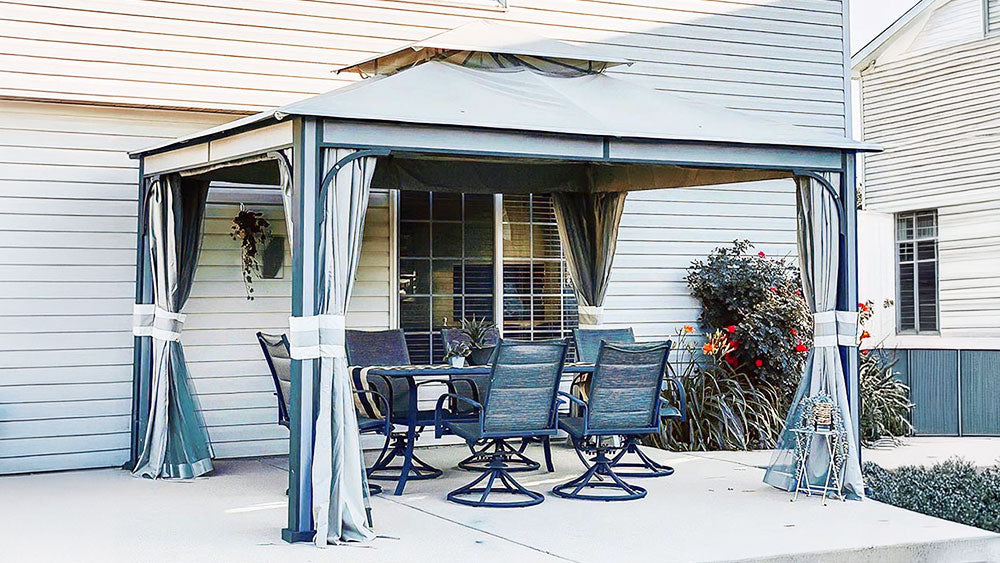
Hardtop gazebos, pergolas with adjustable shade, grill shelters, and multi-purpose covered areas form the backbone of a weather-ready backyard.
Brands like SUNJOY focus on durable outdoor structures designed to handle multi-season exposure, making them suitable for Canadian conditions where weather shifts quickly.
Step 3: Match Protection Level to Real Use
Not every backyard needs full enclosure. Overbuilding can make spaces feel closed and underused.
Light Seasonal Protection
Best for summer-focused use:
- Pergolas with adjustable canopies
- Partial shade structures
- Open airflow designs
Moderate Protection
Ideal for spring, fall, and occasional winter use:
- Hardtop or soft-top gazebos
- Netting or curtains to block wind
- Ceiling hooks for seasonal accessories
Heavy-Duty Protection
Best for storage, equipment, or frequent winter exposure:
Carport-style shelters
Enclosed structures
Choosing the correct level prevents wasted investment and improves usability.
Step 4: Plan for Wind First—Not Temperature
Cold is uncomfortable, but wind is what makes backyards unusable.
Wind:
Strips heat away from the body
Makes heaters less effective
Carries rain and snow sideways
To manage wind:
Place seating downwind of structures
Use partial walls, curtains, or fencing
Avoid open corridors that funnel airflow
This is why even modest shelters dramatically improve comfort.
FAQ: Is blocking wind more important than adding heat?
Yes. Reducing wind increases perceived warmth more effectively than increasing heat output alone.
Step 5: Prepare for Rain and Drainage Issues
Seasonal rain and snowmelt can quickly damage surfaces and furniture.
Effective strategies include:
- Roofed structures with proper runoff direction
- Elevated seating and dining areas
- Avoiding low points where water collects
Rain management isn’t just about staying dry—it protects your backyard investment long-term.
Step 6: Design Lighting for Shorter Days
As daylight hours shrink, lighting becomes essential for usability and safety.
Good seasonal lighting:
- Extends usable hours
- Improves visibility on icy surfaces
- Makes winter spaces feel more welcoming
Solar-powered or targeted lighting solutions reduce wiring complexity and seasonal maintenance.
Step 7: Add Heat Only After Shelter Is in Place
Heating open spaces is inefficient and frustrating. Heat works best when:
- Wind is reduced
- Seating is arranged close together
- Radiant heat sources are used
Fire pits, fireplaces, or heater placement should always come after structural decisions—not before.
Step 8: Think in Seasonal Zones Instead of One Open Space
A single large open yard is harder to adapt than multiple defined zones.
Effective seasonal zoning might include:
- A covered dining area
- A sheltered seating zone
- A storage or work zone
- An open area for summer activities
Zoning allows parts of the backyard to remain usable even when others are not.
FAQ: Do I need to upgrade everything at once?
No. The most successful backyards evolve in stages: structure first, then comfort features, then finishing details.
Step 9: Reduce Seasonal Maintenance Burden
Preparation isn’t only about comfort—it’s also about reducing work.
Smart seasonal preparation:
- Limits how often furniture must be moved
- Reduces weather-related damage
- Simplifies opening and closing routines
Durable materials and thoughtful layouts pay off every season.
How SUNJOY Fits Seasonal Backyard Planning
Rather than designing for one season, SUNJOY emphasizes:
- Multi-season durability
- Flexible configurations
- Structures that support lighting, heating, and accessories
This approach aligns well with Canadian homeowners who need outdoor solutions that adapt, not replace.
A Simple Seasonal Readiness Checklist
Ask yourself:
- Can seating stay comfortable in wind?
- Is there protection from rain and snow?
- Does lighting support shorter days?
- Can the layout adapt between seasons?
If the answer to more than one is “no,” your backyard needs seasonal preparation.
Final Verdict: Seasonal Preparation Is About Smart Design
Preparing your backyard for seasonal weather changes isn’t about chasing perfect conditions. It’s about creating a space that adapts smoothly as conditions change.
By prioritizing structure, wind control, drainage, lighting, and flexible zones, homeowners can transform their backyard into a reliable, year-round extension of their home—rather than a space that only works for a few weeks each year.
And that is what true seasonal readiness looks like.