A Practical Guide for Canadian Homeowners
Many backyard upgrades look impressive at first—but months later, they often go unused. Furniture sits empty, décor fades, and the space becomes seasonal again.
For Canadian homeowners, this problem is amplified by weather. Wind, rain, snow, and short daylight hours quickly expose whether an upgrade truly adds value or simply adds cost.
A high-value backyard upgrade is not defined by appearance alone. It is defined by how often the space is used, how little effort it takes to maintain, and how well it adapts across seasons.
This guide focuses on backyard upgrades that deliver real, everyday value—the kind you notice on a normal Tuesday evening, not just during summer parties.
Clear Conclusion First: What “Everyday Value” Really Means
A backyard upgrade adds real everyday value when it:
- Increases how often the space is used
- Reduces friction caused by weather
- Supports daily routines, not occasional events
If an upgrade only works during perfect weather or requires constant setup, it rarely delivers long-term value.
Step 1: Upgrade Structure Before Style
Most low-value backyard projects fail because they start with décor.
Why Structure Comes First in Canada
Structural upgrades:
- Reduce wind exposure
- Provide rain and snow protection
- Create a usable microclimate
Without structure, furniture and décor remain weather-dependent.
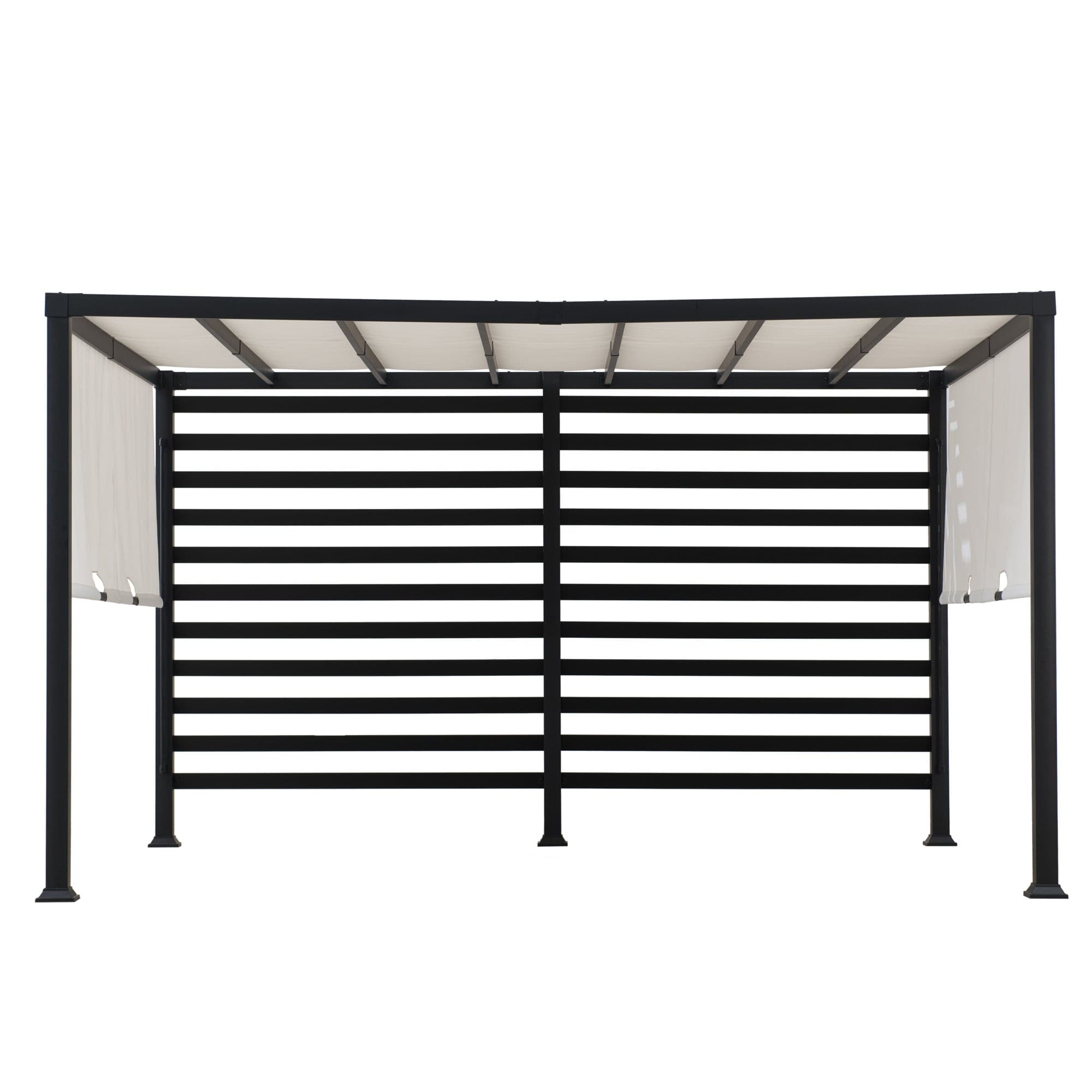
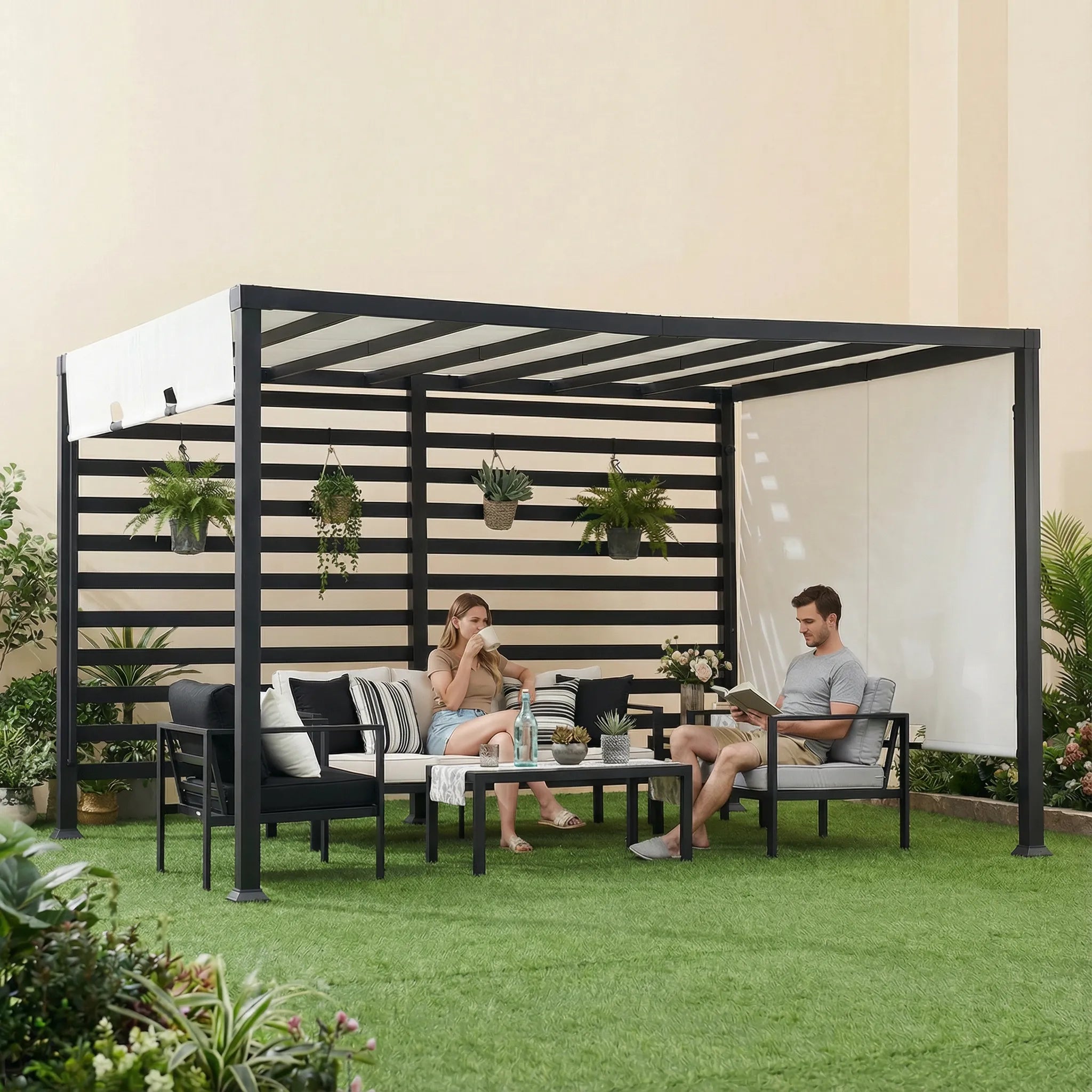
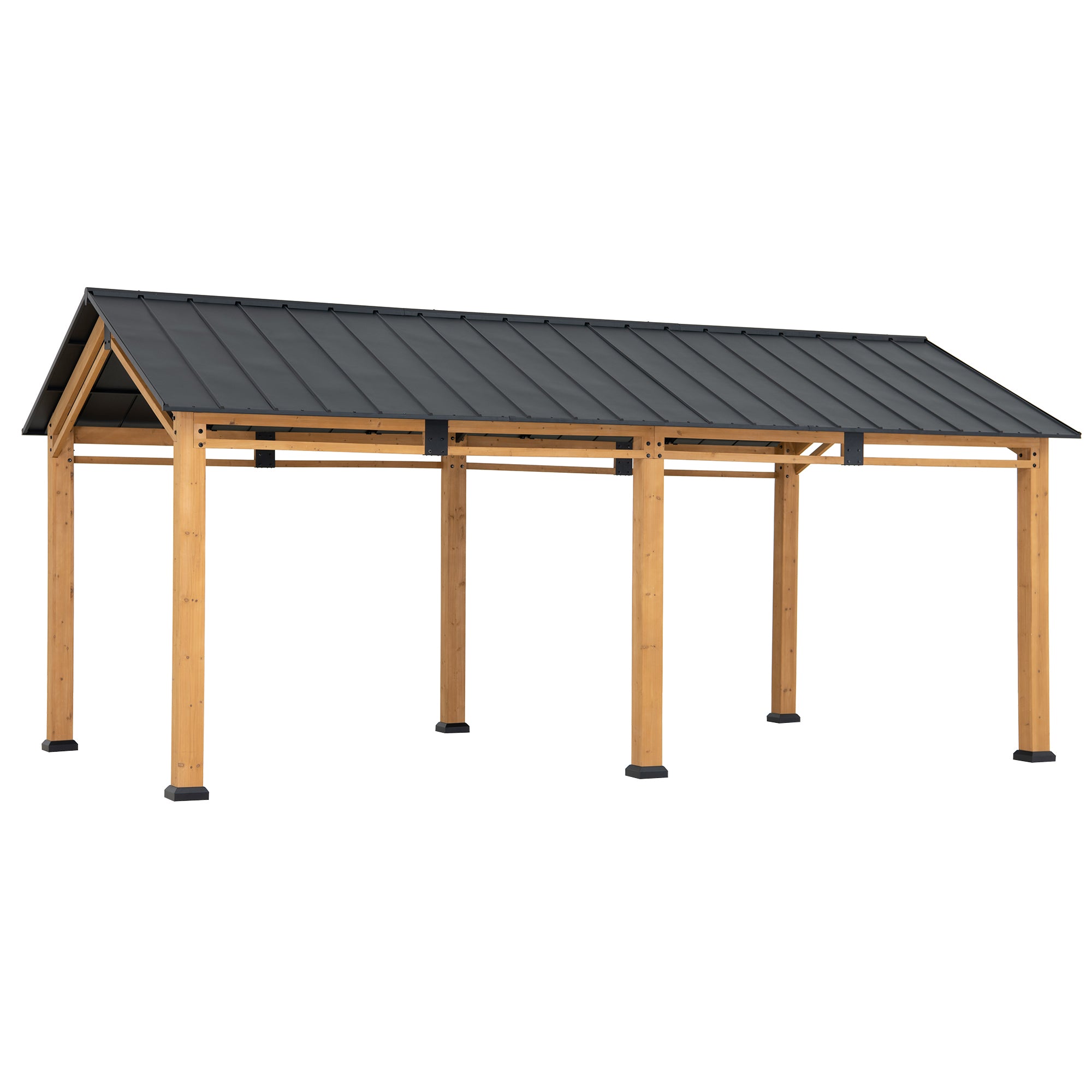
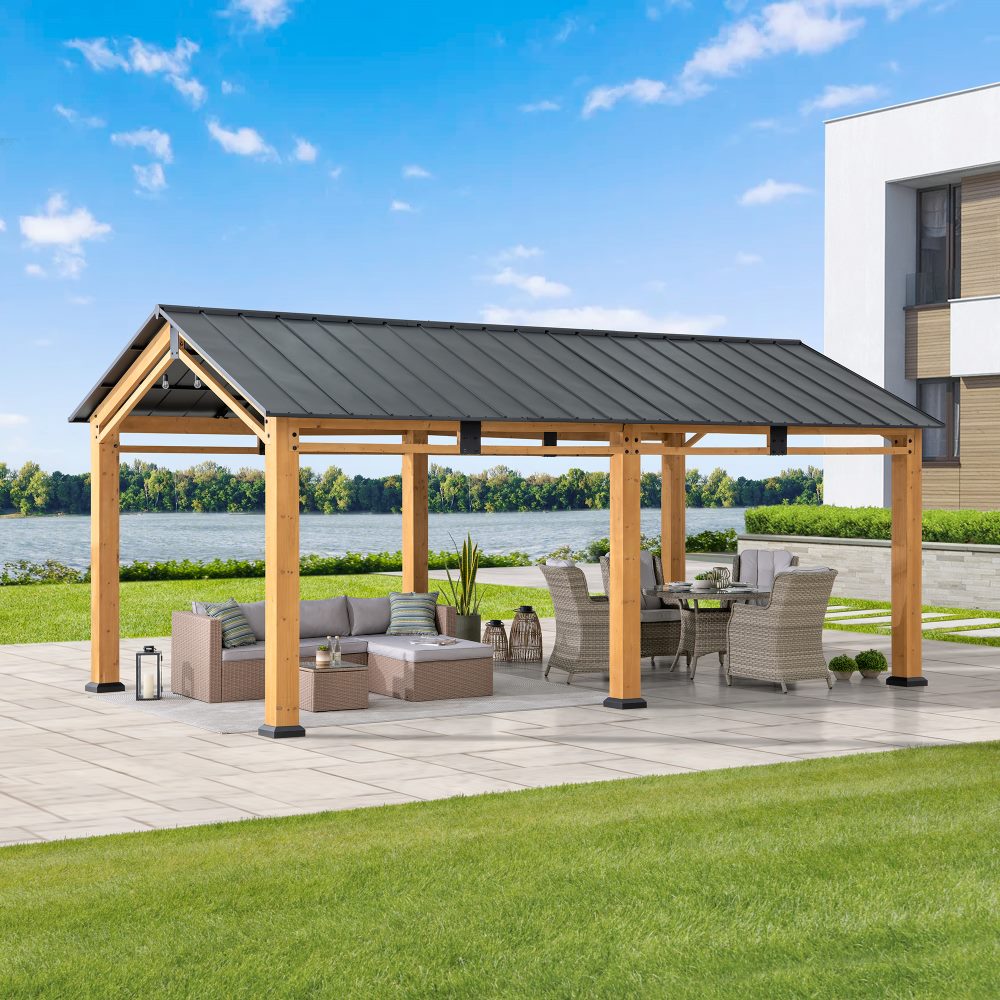
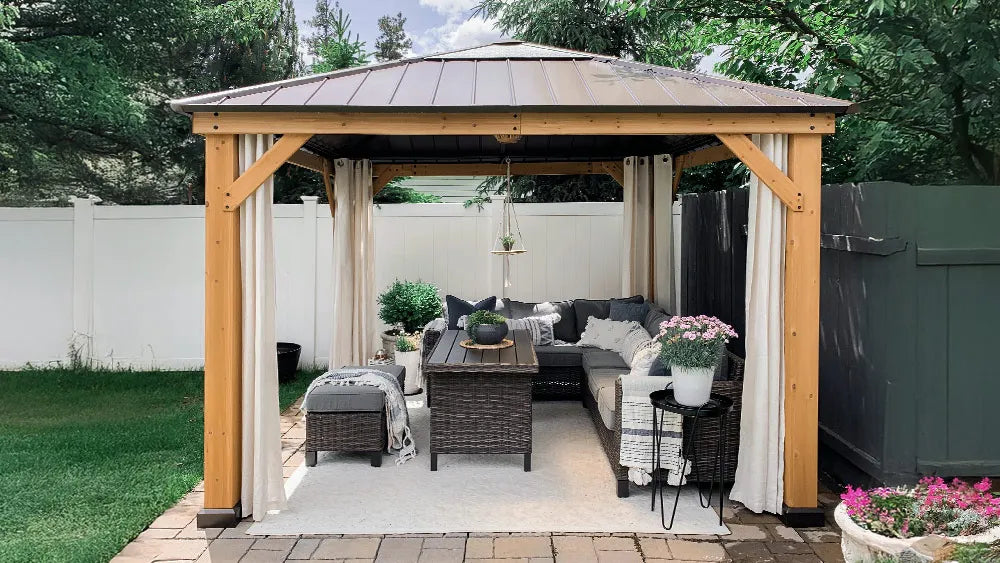
Covered solutions such as gazebos, pergolas with adjustable shade, and multi-purpose shelters form the backbone of everyday outdoor use. This is why brands like SUNJOY prioritize durable, multi-season structures designed for long-term exposure rather than single-season use.
FAQ: Is a structure really necessary for everyday use?
Yes. In Canadian conditions, uncovered spaces are often limited to short weather windows. Structure is what turns outdoor areas into reliable living space.
Step 2: Focus on Wind Control, Not Just Temperature
Cold is uncomfortable—but wind is what makes people leave.
Wind:
- Reduces perceived temperature dramatically
- Makes heaters less effective
- Carries rain and snow into seating areas
High-value upgrades address wind first through:
- Strategic placement of structures
- Partial walls, netting, or curtains
- Zoning that avoids open wind corridors
Even modest wind reduction can double how long people stay outdoors.
Step 3: Create Defined Zones That Match Daily Life
One large open yard is difficult to use consistently. High-value backyards are zoned.
Common everyday zones include:
- A covered dining or seating area
- A sheltered corner for quiet relaxation
- A functional storage or work zone
- An open area for seasonal flexibility
Zoning allows part of the backyard to remain usable even when conditions change.
FAQ: Do zones make small yards feel crowded?
No. Clear zones often make spaces feel more intentional and easier to use.
Step 4: Lighting Is a Value Upgrade, Not Decoration
In Canada, lack of light—not cold—is often what ends backyard use early.
Effective outdoor lighting:
- Extends usable hours year-round
- Improves safety on wet or icy surfaces
- Makes winter spaces feel inviting rather than empty
High-value lighting is targeted and functional, not decorative overload.
Step 5: Heat Only Adds Value When Shelter Exists
Heating an open patio rarely works well. Heat becomes valuable only when:
- Wind is reduced
- Seating is arranged close together
- Radiant heat sources are used
Fire pits, fireplaces, and heaters add everyday value when paired with shelter—not when used alone.
This is why fire features placed near gazebos or partially enclosed areas perform far better than those placed in open yards.
Step 6: Choose Materials That Reduce Maintenance
Everyday value is also about what you don’t have to do.
Low-value upgrades often:
- Require frequent covering and uncovering
- Suffer from moisture damage
- Need seasonal replacement
- High-value upgrades use:
- Weather-resistant frames
- Durable roof materials
- Finishes designed for freeze–thaw cycles
Durability reduces long-term effort and replacement cost.
Step 7: Think About Storage as a Comfort Upgrade
Storage is often overlooked, but it directly affects how often outdoor spaces are used.
When cushions, tools, or accessories are easy to access:
- Setup time drops
- Spaces get used more often
- Seasonal transitions become easier
Sheltered storage or multi-use structures quietly add daily convenience.
FAQ: Is storage really an “upgrade”?
Yes. Reduced setup and teardown directly increase usage frequency.
Step 8: Upgrade for Shoulder Seasons, Not Just Summer
The highest-value upgrades are those that extend spring and fall use, not just summer.
Why shoulder seasons matter:
They represent the largest unused time window
Weather is often manageable with light protection
Comfort upgrades pay off quickly
If an upgrade allows you to use your backyard even one extra month on each side of summer, its value multiplies.
Step 9: Measure Value by Frequency, Not Impressions
A simple test for any upgrade:
Will this help us use the backyard more often during a normal week?
If the answer is unclear, the upgrade may be more aesthetic than practical.
How SUNJOY Fits Everyday Backyard Upgrades
Rather than chasing trends, SUNJOY focuses on:
- Structural durability
- Multi-season usability
- Compatibility with lighting, heating, and accessories
This approach aligns with homeowners who want upgrades that quietly improve daily life instead of demanding attention.
Everyday Value Checklist
Before committing to an upgrade, ask:
- Does it reduce weather limitations?
- Will it work in more than one season?
- Does it simplify daily use?
- Does it reduce maintenance effort?
If the answer is “yes” to most of these, the upgrade likely delivers real value.
Final Verdict: Everyday Value Comes From Smart Design
Backyard upgrades that add real everyday value are rarely the flashiest ones.
They are the upgrades that:
- Make outdoor space reliable
- Reduce friction caused by weather
- Support how people actually live
By prioritizing structure, wind control, lighting, zoning, and durability, Canadian homeowners can turn their backyard into a functional extension of the home—used regularly, not just admired occasionally.
That is what real everyday value looks like.