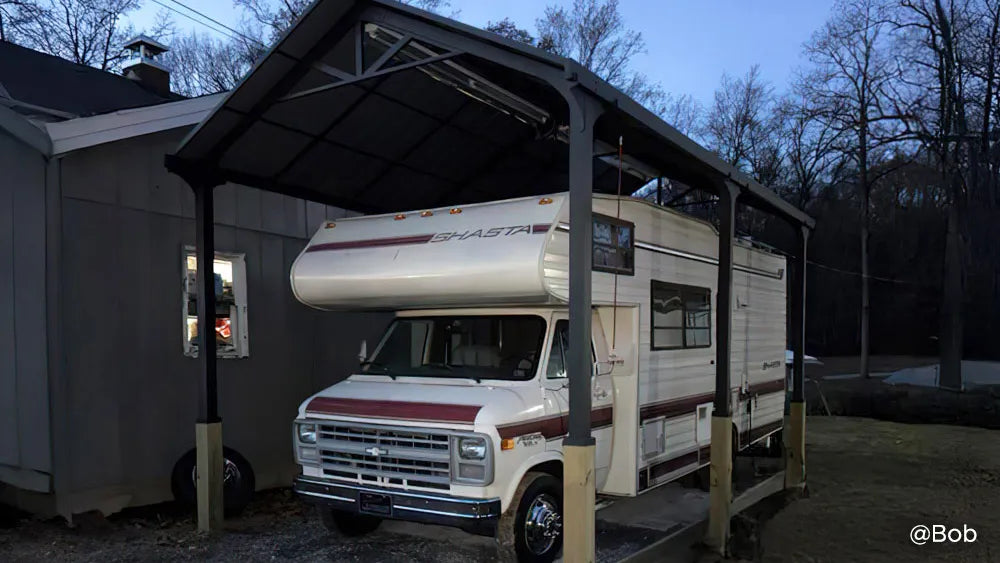
Carports are exposed structures by design. Unlike garages or sheds, they rely on a combination of posts, beams, and a secure foundation to remain stable in strong winds and heavy snow. In Canada—where winter storms, freeze–thaw cycles, and shifting soil are routine—proper anchoring is not optional. It is the single most important factor that determines whether your carport lasts 20 years or fails in the first strong storm.
Whether you are installing a new steel carport or reinforcing an older one, understanding how anchoring works is essential. This guide explains how to anchor a carport with concrete and without concrete, when each method is appropriate, what mistakes to avoid, and how structural differences matter based on weather and soil conditions.
This is the kind of guidance Canadian homeowners search for when they want safety, compliance, and long-term performance—not just a quick installation.
1. Why Anchoring Matters More in Canada
Anchoring does more than hold the posts in place. It ensures the entire structure can resist:
- Uplift force from strong winds
- Lateral movement from shifting soil or ice
- Uneven settling during freeze–thaw cycles
- Snow load pressure pushing the structure outward
- Vibration and oscillation over time
When a carport fails, anchoring—not frame strength—is usually the weak link.
Many Canadian provinces have recorded wind speeds of 70–110 km/h during storms. A lightweight or improperly secured carport can act like a sail. Without proper anchoring, the entire structure can lift, twist, lean, or collapse.
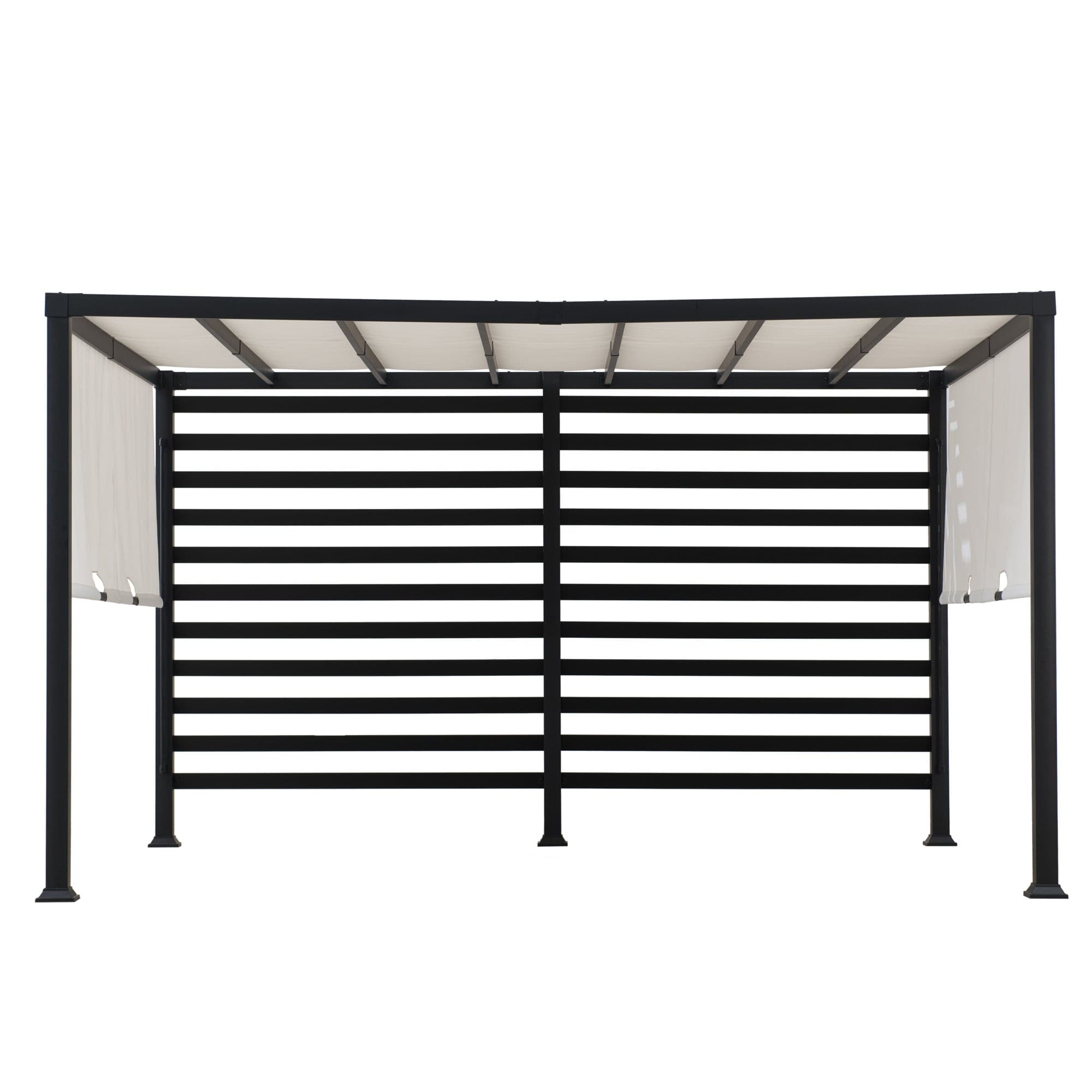
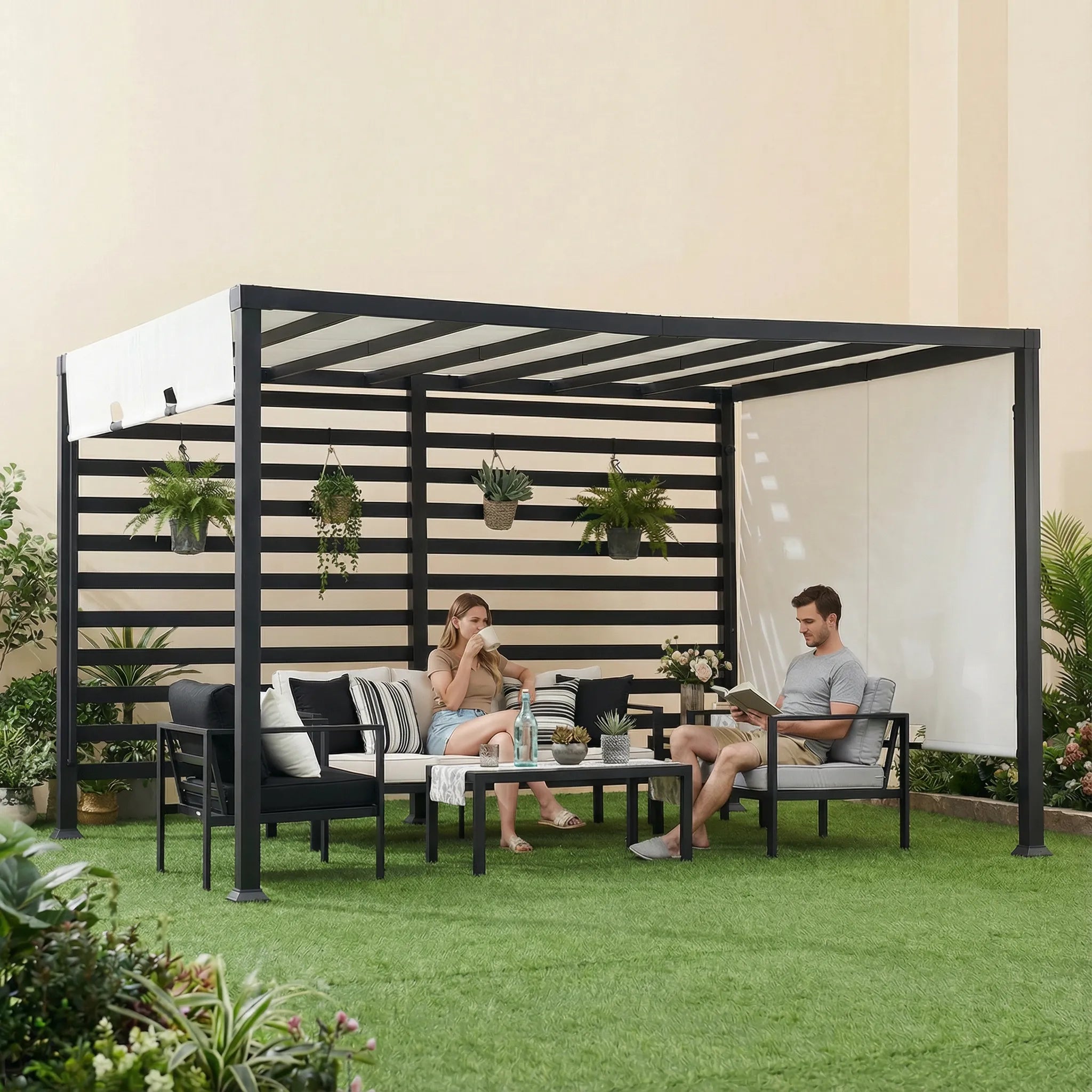
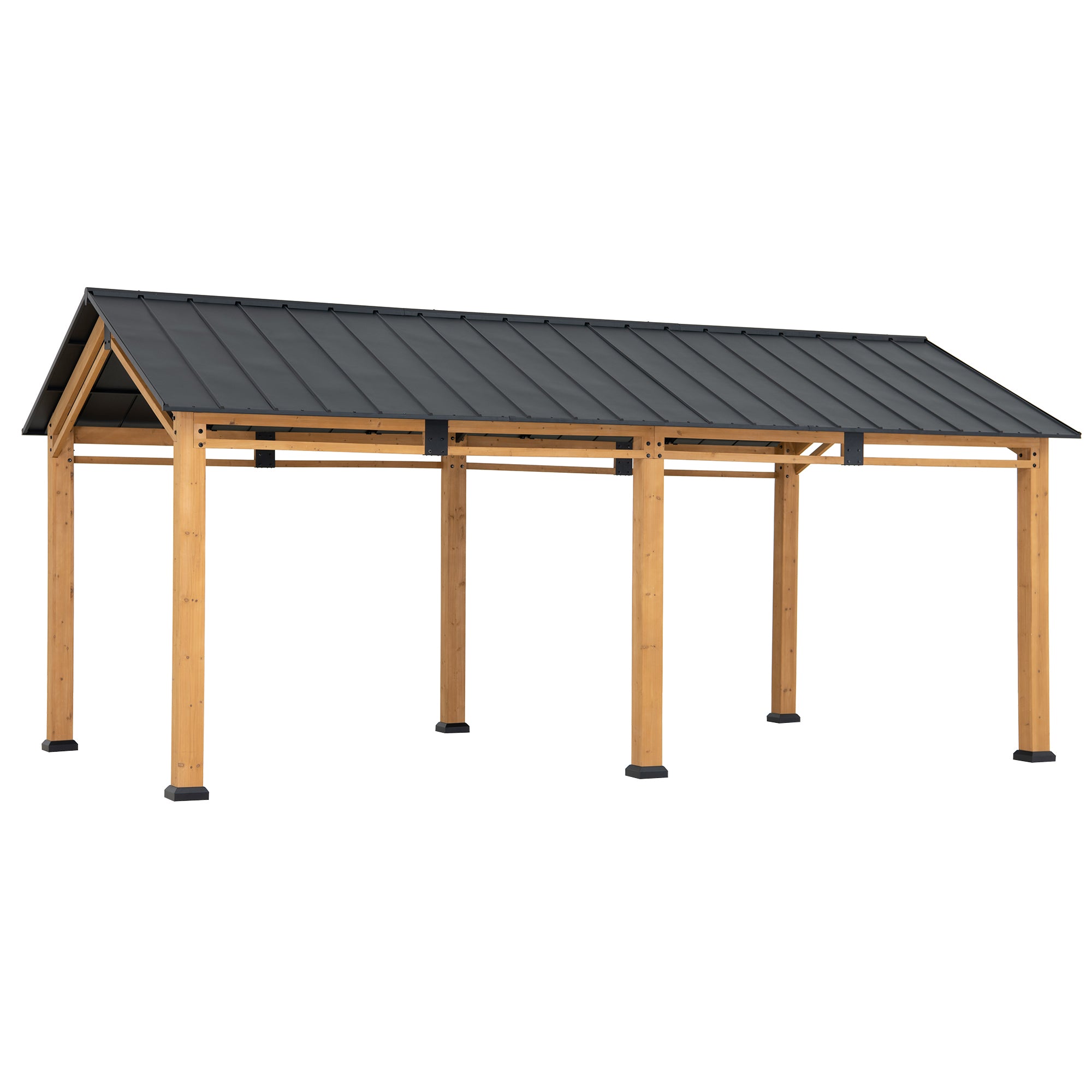
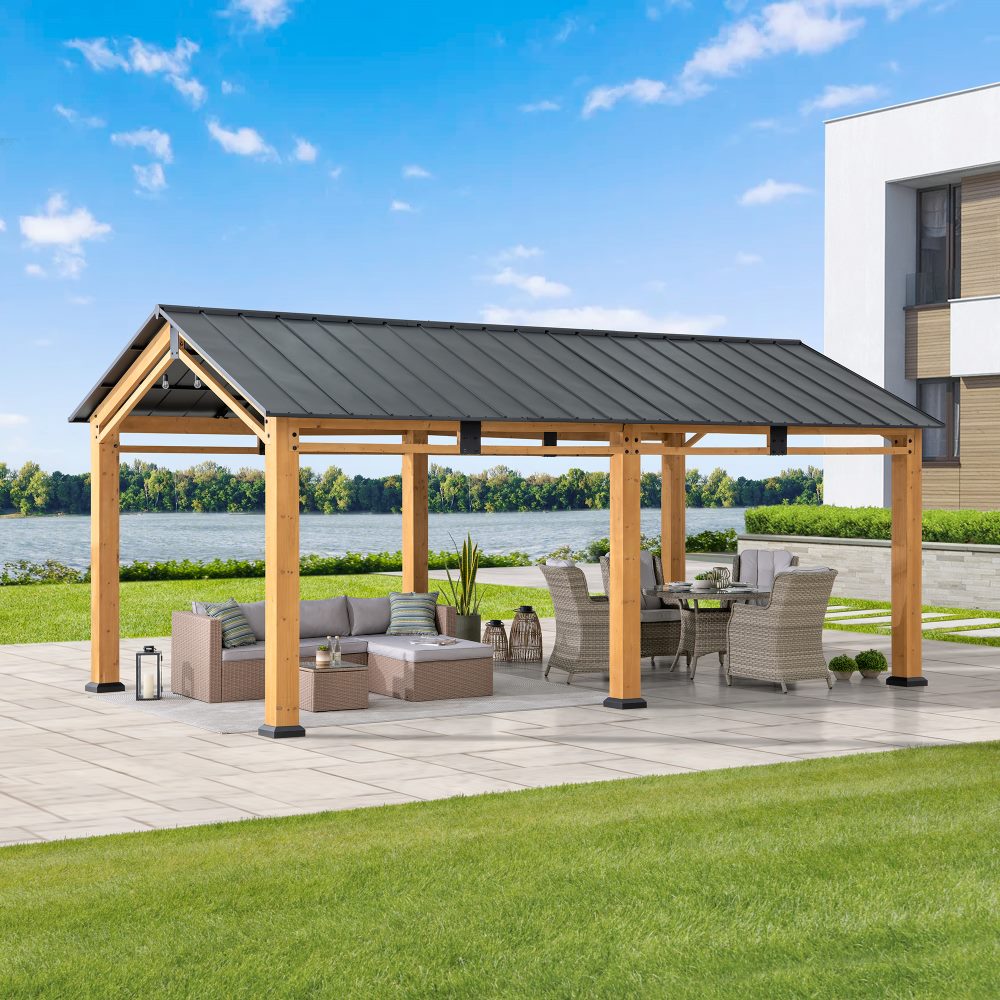
This is why modern engineered carports—like SUNJOY’s 10×20 Steel Carport or the 12×20 Gable Roof Carport—include reinforced base plates and are designed to interface with concrete anchoring systems.
The truth is simple:
Strong posts + weak anchoring = unsafe structure.
2. Before Anchoring: Evaluate the Base & Soil Conditions
Anchoring choices depend heavily on what the structure sits on.
You must understand your site before choosing an anchoring method.
Knowing your base determines your anchoring method.
A. Concrete Slab or Footings (Best for Long-Term Use)
Most reliable option for Canadian climates because:
- Concrete resists frost heave
- It provides rigid, stable resistance to wind uplift
- It supports heavy snow-load frames
- It maintains alignment over time
Ideal for permanent carports, double-car models, or regions with high wind exposure.
B. Compacted Gravel or Soil Base (Temporary or Semi-Permanent Use)
Useful when:
- You’re installing a temporary or seasonal carport
- You’re avoiding major construction
- Local codes allow non-permanent foundations
This requires stronger earth anchors or auger anchors.
C. Asphalt Base
Common for driveways, but anchoring is weaker than concrete.
Require special asphalt anchors, NOT concrete anchors.
D. Frozen Ground
Never anchor into frozen soil.
It leads to misalignment and weak seating.
Wait until the ground is fully thawed.
3. How to Anchor a Carport With Concrete
(The strongest and safest method for Canadian climates)
Anchoring with concrete is recommended for:
- Permanent installations
- Large structures (11×20, 12×20, 12×24)
- High-wind or coastal areas
- Regions with heavy snow
- Any metal carport expected to last decades
There are two primary methods: mounting on a concrete slab OR setting posts in concrete footings.
Below are detailed, step-by-step explanations.
Method 1: Anchoring on a Concrete Slab
(Most modern metal carports, including SUNJOY models, use this method.)
Step 1: Build or confirm the slab
Concrete slab should be:
-
Minimum thickness: 4–6 inches
-
Strength: 3000–3500 PSI
-
With rebar or mesh reinforcement
-
Slightly sloped for drainage (1–2%)
This slab acts as a rigid foundation.
Step 2: Align the Carport Frame & Base Plates
Each post has a steel base plate with pre-drilled holes.
Ensure:
-
The structure is square
-
Posts are plumb
-
Roofline alignment is correct
Step 3: Drill Anchor Holes
Use a hammer drill + concrete bit with the correct diameter.
Anchor depth usually ranges from 2½–4 inches depending on anchor type.
Step 4: Insert Concrete Anchors
Common types:
-
Wedge anchors (most secure)
-
Sleeve anchors
-
Concrete bolts (heavy-duty options)
Tighten gradually to avoid shifting the frame.
Step 5: Seal & Protect
Use outdoor-grade sealant around anchors to:
- Prevent water infiltration
- Reduce freeze–thaw cracks
- Increase longevity
This method produces the strongest possible installation and is recommended for nearly all SUNJOY steel carports.
Method 2: Setting Posts into Concrete Footings
(More common for wood-framed carport.)
Step 1: Dig Footings Below Frost Line
In Canada, frost line depth may be:
70–120 cm depending on region
Setting posts above frost line is a common cause of shifting and leaning.
Step 2: Place Sonotubes
These cardboard cylinders create uniform vertical footings.
Step 3: Add Gravel Base
10–15 cm of compacted gravel improves drainage.
Step 4: Fill With Concrete & Install Post Brackets
Never bury wood posts directly in concrete.
Use elevated steel brackets to prevent rot.
Step 5: Mount Carport Posts
Once brackets cure, mount the posts and align the frame.
Concrete footings provide excellent long-term stability and are ideal for heavy wooden or hybrid carports.
4. How to Anchor a Carport Without Concrete
(For temporary or semi-permanent installations)
Sometimes concrete isn’t possible. Maybe you’re renting, or you want a structure that can be relocated. In those cases, non-concrete anchoring can still be safe—if done correctly.
Below are the strongest non-concrete anchoring methods.
Method 1: Auger-Style Earth Anchors
These screw into the ground like giant corkscrews.
Best for:
- Soft ground
- Gravel driveways
- Temporary or semi-permanent structures
Advantages:
- High pull-out resistance
- Easy to install
- Removes cleanly
Installation Tips:
- Aim for 12–36 inches depth
- Pre-drill pilot hole if soil is compacted
- Attach with tension straps or anchor lugs
Many temporary winter shelters recommended in Canada rely on auger anchors for uplift resistance.
Method 2: Rebar Stakes or Ground Spikes
These are hammered into the soil.
Best Use Cases:
- Short-term installations
- Smaller carports or utility shelters
- Ground without many rocks
Limitations:
- Weaker against uplift than augers
- Not suitable for high-wind areas
- Use only for light-duty or temporary setups.
Method 3: Weighted Ballast Anchoring
Uses concrete blocks, sandbags, or steel weights.
Best For:
- Asphalt surfaces
- Where drilling is prohibited
- Seasonal winter shelters
Requirements:
- Weight must exceed uplift force
- Each post typically needs 100–250 lbs minimum
- Carports with larger canopies need more weight.
Method 4: Asphalt Anchors
Special anchors that melt into asphalt via epoxy adhesives.
Strength Level:
Stronger than rebar spikes, less than concrete anchors.
These are suitable for homes with asphalt driveways who want a cleaner finish than ballast weights.
5. Safety Mistakes to Avoid When Anchoring a Carport
Most carport failures in storms and winters come from simple avoidable errors.
❌ Anchoring into frozen ground
It loosens in spring when thawed.
❌ Using wood screws or deck screws
These are not structural anchors.
❌ Anchoring only some posts
Every post must be secured.
❌ Ignoring uplift force
Winds create suction—not just pushing force.
❌ Using ground anchors in loose, sandy soil
Soil cannot hold tension.
❌ Failing to re-tighten anchors after the first winter
Freeze–thaw cycles shift everything.
❌ Attaching carport directly to existing concrete cracks
Weak concrete = weak anchoring.
Anchoring is only as strong as the material it attaches to.
6. When You Should Choose a Concrete Install (Most of Canada)
A concrete-anchored carport is essential if:
- You face winter winds ≥ 60 km/h
- You live in snow load zones above 30 PSF
- You own a large SUV or truck
- You have a double-wide carport
- You use the structure year-round
- You want a long-term, maintenance-free installation
For these situations, SUNJOY’s models such as:
SUNJOY 12×20 Heavy Duty Metal Carport Gazebo
SUNJOY 14×20 Gable Roof Metal Carport
already include reinforced bases designed to integrate directly with concrete anchors.
7. When Non-Concrete Anchoring Is Acceptable
Choose non-concrete methods when:
- The carport is temporary
- You plan to relocate it
- Local regulations limit permanent structures
- You are installing a seasonal winter shelter
- Soil conditions allow deep auger anchoring
Even so, follow manufacturer wind ratings—especially for large canopies.
8. FAQ: Canadian Homeowners’ Most Common Carport Anchoring Questions
Q1: How deep should anchors go in Canada?
A minimum of 12–24 inches, but deeper in loose soil.
Footings must go below frost line (70–120 cm depending on region).
Q2: Can I anchor to pavers?
Generally no—pavers shift.
Create concrete pads beneath the posts instead.
Q3: Can concrete anchors crack my slab?
They can if the slab is too thin or old.
Minimum thickness must be 4–6 inches with proper PSI.
Q4: Should a carport attachment to a house be anchored differently?
Yes. Wall-side connections require structural ledger boards and house-side anchors to withstand shear force.
Q5: How often should anchors be inspected?
Twice yearly, especially after winter.
9. Final Verdict: Which Anchoring Method Is Best?
Concrete Anchoring = The gold standard
For long-term safety, wind resistance, and structural integrity.
Earth Anchors = Best non-concrete option
Reliable if soil is compact and installation is deep.
Asphalt Anchors = Mid-level option
Practical for driveways.
Ballast Anchors = Acceptable only for temporary use
Never rely on them for strong storms.
Your anchoring choice determines:
- Carport lifespan
- Safety in winter
- Wind resistance
- Insurance compliance
- Structural warranty validity
For Canadian homeowners, investing in the right anchoring method is not just a construction decision—it’s a protection plan for your vehicle, your property, and your safety.