Practical Methods, Materials, and Cozy Upgrade Ideas for Cold Weather
In Canada, the question isn’t whether winter will challenge your outdoor structures—it’s how much. Pergolas, especially those designed for summer shade and airflow, face a very different demand when temperatures drop, snow accumulates, and icy winds sweep through backyards. If you want your pergola to last for many years—and stay functional even in the cold months—proper winter covering is essential.
But “covering a pergola for winter” can mean multiple things depending on your goals. Maybe you want to protect the structure itself. Maybe you want to use the pergola during winter as a cozy, enclosed retreat. Or maybe you just want to prevent snow from damaging the roof or outdoor furniture.
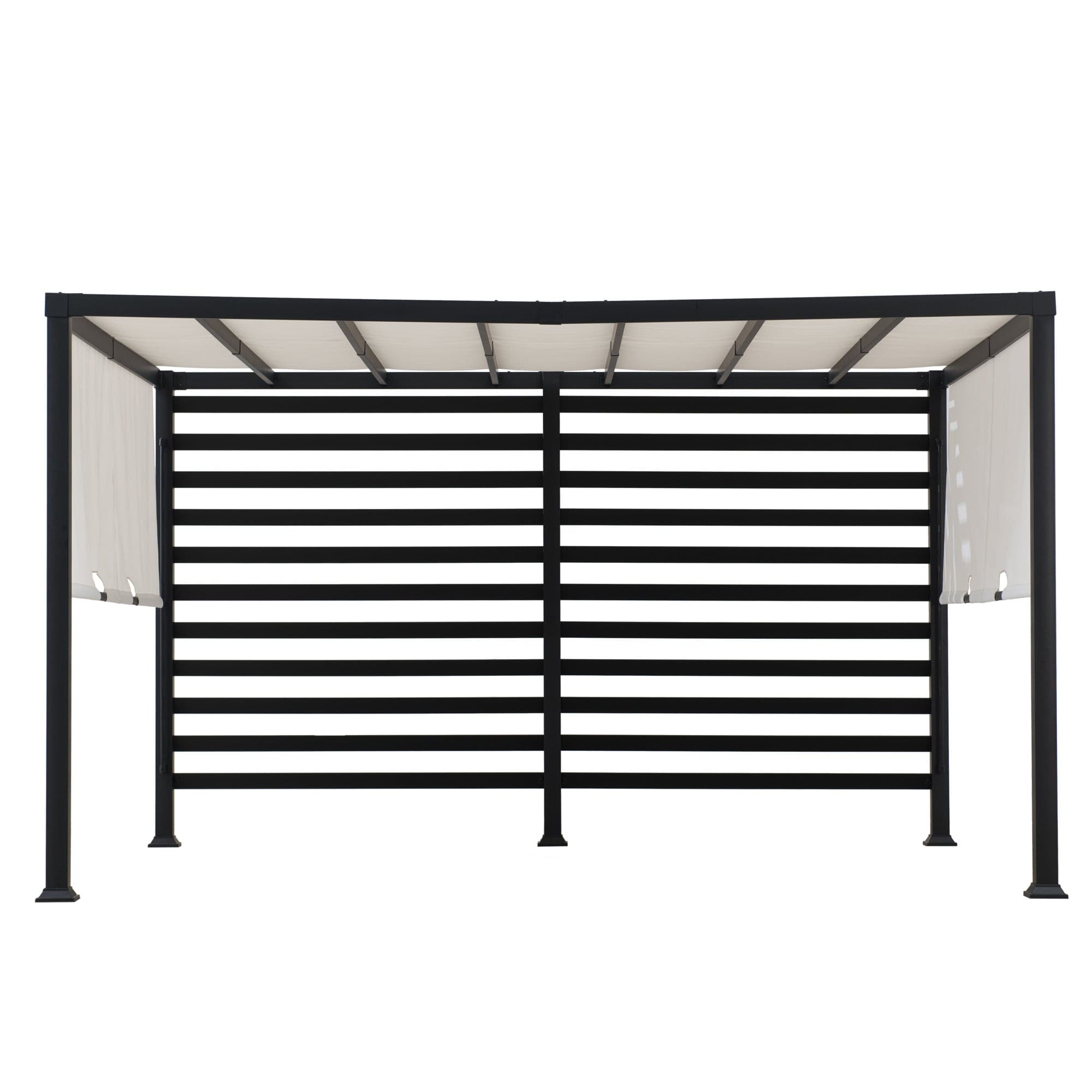
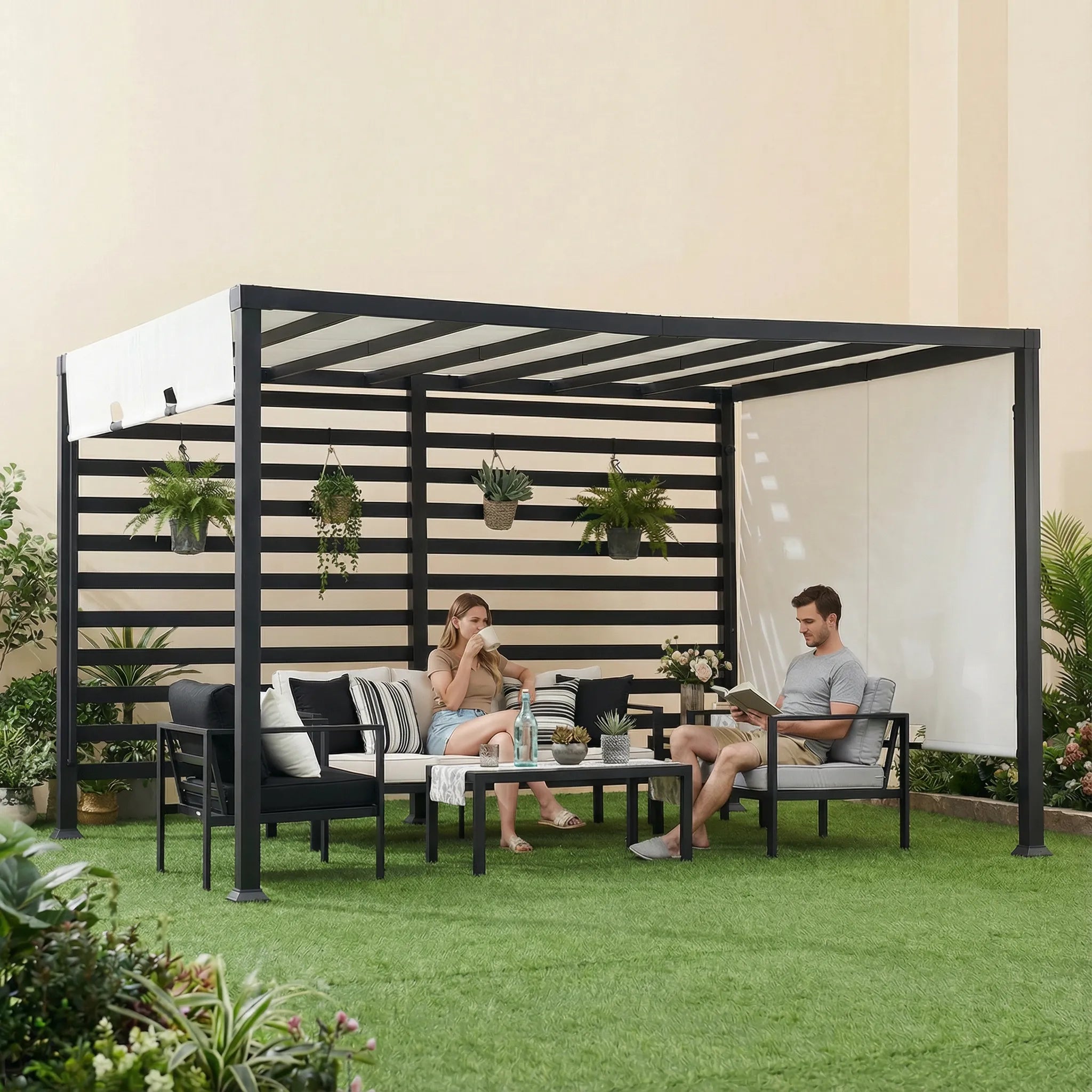
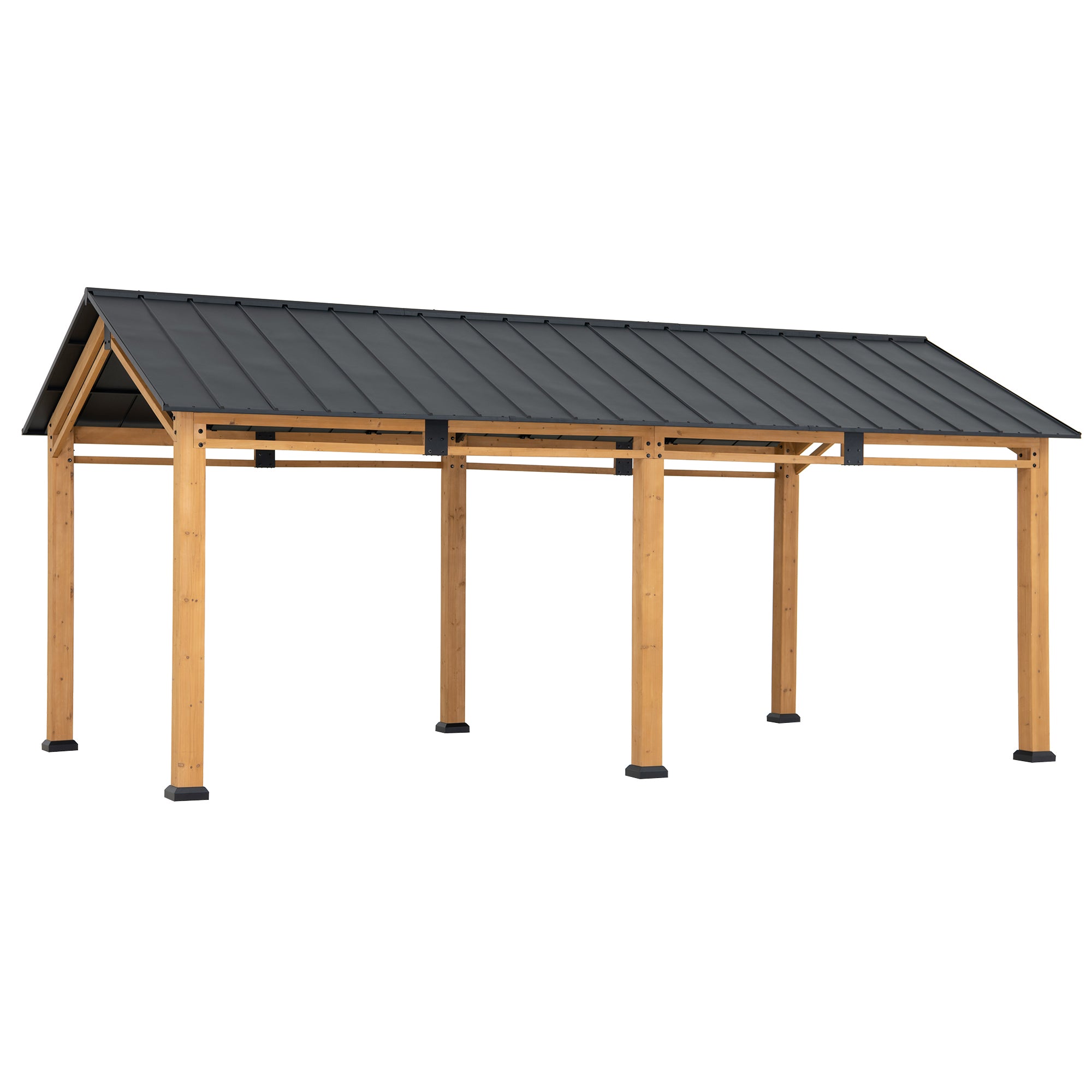
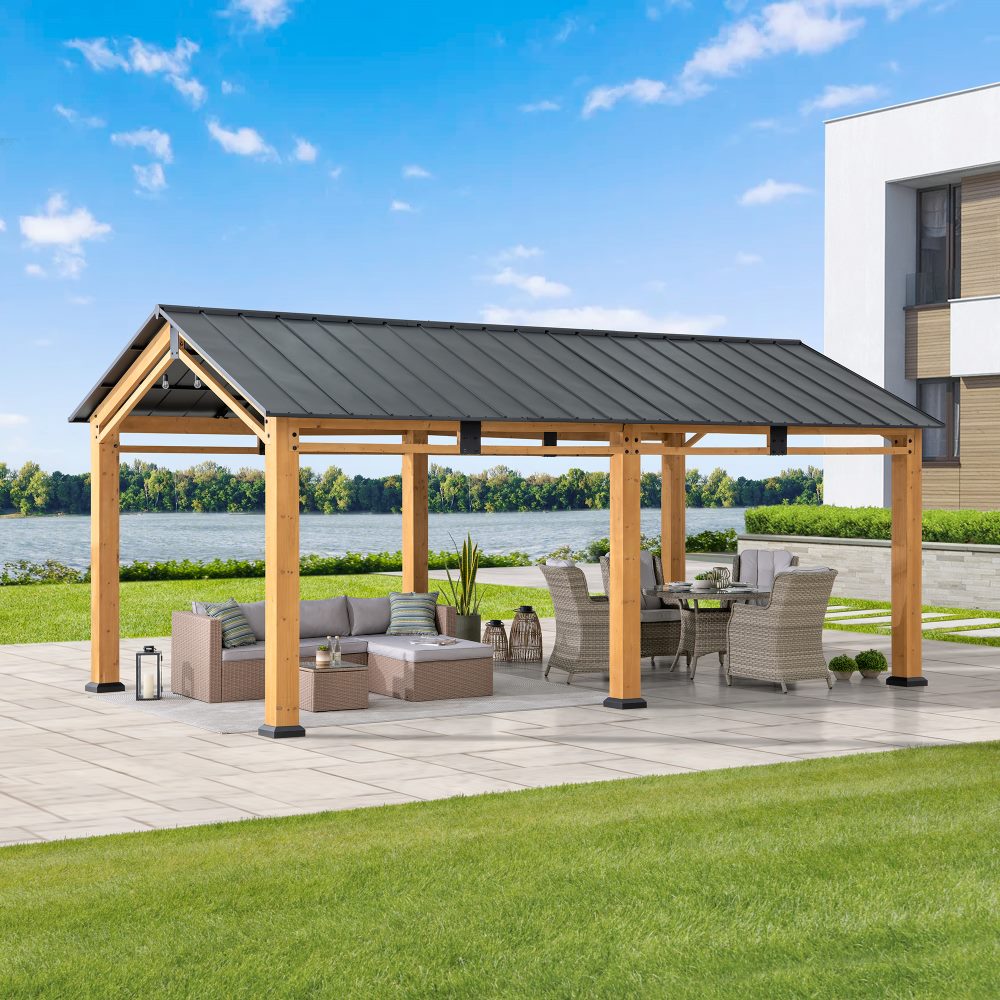
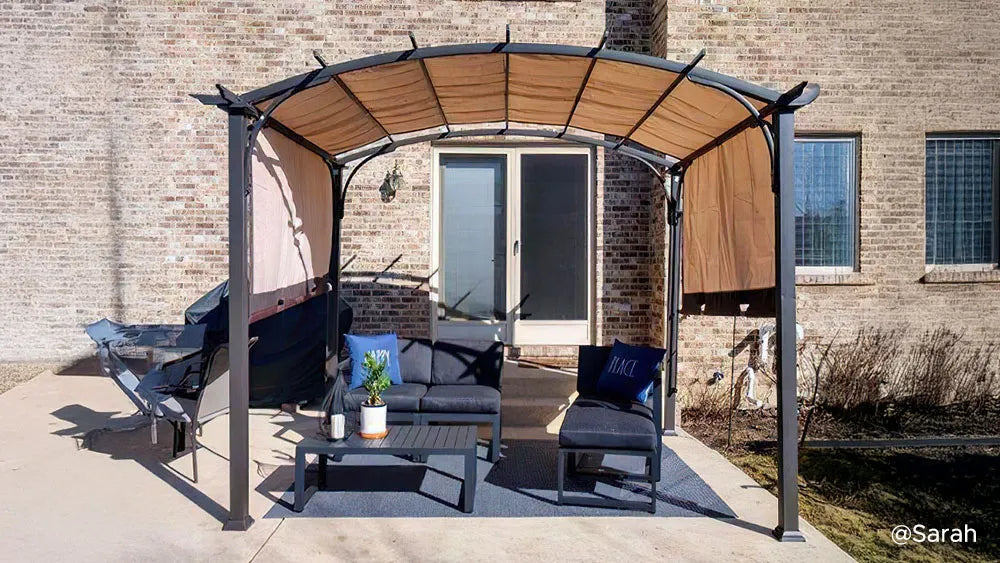
This guide explains how to cover a pergola safely and effectively, including structural considerations for Canadian climates, the best winter-proof materials, step-by-step installation strategies, and common mistakes to avoid. We’ll also look at examples using several SUNJOY pergolas—such as the 12×14 Modern Metal Pergola, the 11×11 Wood-Look Metal Pergola, and the 9.5×11 Tan Arched Pergola—to illustrate real-world use cases.
The goal is simple:
Transform your pergola from a summer shade structure into a winter-ready, snow-resistant space you can enjoy (or protect) all season long.
1. Understand What “Winterizing a Pergola” Really Means in Canada
Before choosing how to cover your pergola, you must decide why you’re covering it. In cold-weather regions, homeowners typically have one of three goals:
Goal 1: Protect the pergola structure itself
This involves preventing snow buildup, blocking moisture, reducing freeze–thaw stress, and minimizing wood or metal corrosion.
Goal 2: Use the pergola in winter as a semi-enclosed outdoor room
People often want to create a cozy winter nook, complete with lighting, privacy walls, and weather curtains.
Goal 3: Protect outdoor furniture and accessories underneath
Covering the pergola helps shield patio sets, fire pits, or outdoor kitchens from snow and ice.
Knowing your intent shapes the best covering strategy. A heavy-duty steel hardtop pergola might only require minimal protection, while a fabric-roof pergola needs a full cover to withstand Canadian snowfall.
2. Assess the Structure Before Covering It (Critical for Snow Loads)
Never cover a pergola for winter without first examining the structure.
Check these key components:
A. Rafters & purlins
Ensure they are straight, firmly attached, and undamaged. Snow adds weight—sometimes hundreds of pounds.
B. Posts & joints
Look for:
-
Rust in metal frames
-
Splitting in wooden posts
-
Loose bolts or shifting joints
A covered pergola traps more snow, which means reinforcement matters.
C. Anchoring system
A pergola that is not anchored deeply—especially in Canada—can shift during freeze–thaw cycles or strong winds.
Well-built pergolas such as the SUNJOY 12×14 Steel Pergola with Adjustable Canopy have reinforced posts and secure footplates designed to integrate with concrete anchoring, offering better winter stability.
3. Choose the Right Winter Covering Strategy
Not all pergolas require full enclosure. Depending on structure, climate conditions, and personal usage, your winter covering options fall into four main categories.
4. Option 1: Waterproof PVC or Vinyl Winter Covers (Most Common Solution)
These are full-pergola covers made specifically for winter protection.
Benefits:
-
Completely blocks snow and rain
-
Prevents water pooling on furniture
-
Protects canopy fabric from winter damage
-
Creates a temporary roof for off-season storage
-
Strong enough to resist moderate snow loads
PVC covers are especially useful for pergolas with open rafters.
Installation Tips:
-
Measure pergola dimensions precisely
-
Use bungee cords or ratchet straps to secure edges
-
Avoid stretching too tightly (reduces stress tears)
-
Maintain a slight slope for drainage
-
Add grommets for reinforced attachment points
❄ Where This Works Best
Homes in Ontario, Quebec, Manitoba, and Alberta where snow is frequent but not excessively heavy.
5. Option 2: Hardtop Conversion Panels (Best for Heavy Snow Regions)
If you want a winter covering that handles snow efficiently, rigid materials are the best choice.
Common materials include:
-
Polycarbonate sheets
-
Corrugated steel or aluminum
-
Acrylic roof panels
Benefits:
-
High snow-load capacity
-
Long-term, semi-permanent upgrade
-
Allows light diffusion (especially polycarbonate)
-
Resists cracking and warping
This option is ideal for pergolas intended for year-round use.
Example:
The SUNJOY 11×11 Wood-Look Metal Pergola can support lightweight winter panels thanks to its robust steel frame and clean, modern rafter system.
Caution:
Always consider ventilation—enclosed hardtops trap heat, and vents help prevent condensation.
6. Option 3: Winter Curtains & Clear Vinyl Side Panels
If your goal is to create a cozy winter room, curtains and vinyl panels are incredibly effective.
Benefits:
-
Blocks wind and blowing snow
-
Traps heat for outdoor heaters (must follow clearance rules)
-
Creates a winter “sunroom” effect
-
Allows visibility through clear panels
-
Adds privacy
Materials to Consider:
-
Marine-grade clear vinyl
-
Heavy polyester canvas
-
Waterproof PVC curtains
Installation Tips:
-
Use dual-track systems for sliding panels
-
Ensure weighted bottoms to prevent flapping
-
Avoid tight sealing—allow airflow to prevent condensation
-
Add hooks for easy removal in spring
7. Option 4: Snow-Resistant Tarp Layering for Budget-Friendly Coverage
A tarp is not elegant, but it’s practical and affordable.
Best practices:
-
Choose UV-resistant, waterproof tarp
-
Add center rafters or tension cables to prevent sagging
-
Maintain a downward slope for snow shedding
-
Never let tarp rest directly on furniture
This option works well for temporary winter storage or protecting furniture.
8. Preparing Your Pergola for Winter Before Covering It
Covering a pergola without preparation leads to mildew, structural stress, and material damage.
A. Clean the pergola structure
Remove leaves, dust, and organic buildup. Moisture trapped under covers accelerates corrosion and wood decay.
B. Treat wood
Apply sealant to wooden pergolas, especially cedar or pine.
C. Check canopy tension
For adjustable canopy pergolas like the SUNJOY 9.5×11 Arched Pergola, retract and store the canopy to avoid winter tearing.
D. Remove décor and soft goods
Take down lighting, pillows, drapes, and sun shades.
E. Inspect anchors
Tighten or reinforce base plates and brackets.
Preparation ensures your winter covering performs well.
9. How to Cover a Pergola Without Causing Structural Damage
This is where many homeowners make mistakes.
❌ Mistake 1: Letting snow pile up on a soft cover
Even waterproof covers can collapse under heavy snow.
✔ Solution:
Create a sloped peak using:
-
A ridge beam
-
Tension rods
-
Wood planks
-
Adjustable roof poles
This encourages snow shedding.
❌ Mistake 2: Sealing covers too tightly
Zero ventilation leads to condensation → mold → wood rot → rust.
✔ Solution:
Leave intentional airflow gaps or install vented panels.
❌ Mistake 3: Attaching covers with nails or invasive hardware
This weakens the pergola over time.
✔ Solution:
Use straps, zip ties, bungees, or non-invasive hooks.
❌ Mistake 4: Forgetting about wind load
Winter winds can exceed 70 km/h in many Canadian regions.
✔ Solution:
Secure covers at multiple connection points and use perimeter tensioning.
10. Turning Your Covered Pergola into a Cozy Winter Retreat
If you want the space to be usable—not just protected—you can easily transform it.
Add Lighting:
-
Warm LED string lights
-
Magnetic spotlights
-
Fire-safe lanterns
-
Solar-powered ambient lighting
Add Warmth:
-
Outdoor-safe propane heaters (follow clearance rules)
-
Heated blankets
-
Thick rugs or floor mats
Add Texture & Comfort:
-
Weatherproof cushions
-
Winter drapes
-
Evergreen décor
-
Wooden benches
Choose the Right Cover:
Clear vinyl makes the space feel like a winter greenhouse, perfect for enjoying soft daylight—even during Canadian winters.
A pergola doesn’t have to hibernate when you do. With the right setup, it becomes a year-round sanctuary.
11. When a Pergola Cover Isn’t Enough: Upgrading to a Winter-Ready Model
Some pergolas simply cannot handle Canadian snowfall—not safely, anyway. If rafters are too thin or the roof cannot support snow load, upgrading becomes the smarter option.
Great SUNJOY Examples for Winter Compatibility:
These pergolas offer strong frames, optional enclosure accessories, or adjustable roofs suitable for winter protection.
These models provide rigid structures ideal for winter covers, privacy panels, or clear vinyl enclosures.
12. FAQ: Canadian Homeowners’ Winter Pergola Questions
Q1: Can you leave a pergola uncovered in winter?
Yes—if it’s steel or hardtop and structurally rated. Wood and fabric pergolas benefit from covering.
Q2: Can snow damage a pergola?
Absolutely. Wet snow weighs twice as much as dry snow. Many lightweight pergolas cannot support accumulation.
Q3: Can you use heaters inside a covered pergola?
Yes, but follow manufacturer clearance rules and ensure ventilation.
Q4: What’s the safest winter cover?
Rigid panels or polycarbonate sheets—especially in high-snow regions.
Q5: Should pergola canopies be removed for winter?
Yes. Adjustable fabric canopies should always be retracted or stored to prevent tearing.
Final Thoughts: Covering a Pergola for Winter Is Part Protection, Part Transformation
A well-covered pergola is more than a structure shielded from the elements—it becomes a winter-ready extension of your home. Whether you choose PVC covers, rigid panels, clear vinyl curtains, or a full seasonal enclosure, the right winterizing method helps protect your investment and create a space that’s usable, cozy, and visually inviting.
Canadian weather doesn’t have to push you indoors.
With the right winter cover, your pergola can be a place of warmth, light, and comfort—even in January.