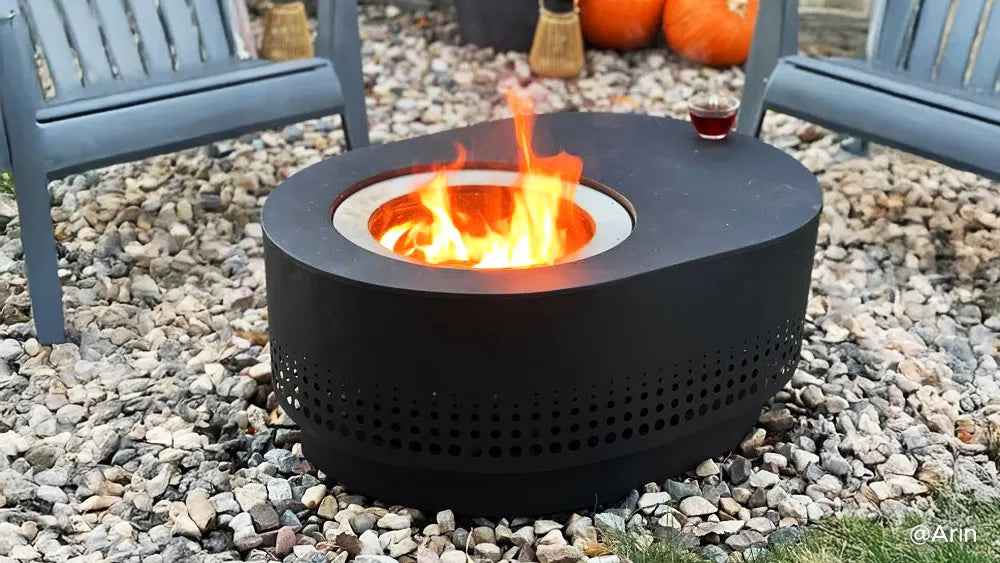
A fire pit is one of the most enjoyable upgrades you can add to an outdoor living space. It creates warmth, ambience, and a central gathering zone for friends and family. But using a fire pit safely and effectively requires understanding the do and don’ts of fire pit operation, the engineering behind wood-burning flames, and best practices for long-term outdoor use.
Whether you’re using a steel fire pit, a stone unit, or a portable outdoor bowl, the principles are the same: controlled flames, proper placement, and safe operation. This guide outlines what homeowners should always do, what to avoid, technical considerations, and how to choose a model with reliable long-term performance.
Conclusion First: The Most Important Do and Don’t
Do:
Use a fire pit on a stable, non-flammable surface with adequate clearance and proper airflow.
Don’t:
Never place a fire pit directly on grass, wood decks without barriers, or under low-hanging structures. Improper placement is the #1 cause of preventable fire pit accidents.
Everything else in this guide expands from this core rule.
1. DO: Choose a Fire Pit Design That Matches Safety & Durability Standards
Not all fire pits are built the same. A safe and reliable model should include:
- Thick-gauge steel or stone construction
- Heat-resistant coating
- Sturdy legs or foundation
- Spark screen for ember control
- Good ventilation openings
- Stable bowl shape
Higher-quality materials—like powder-coated steel or copper steel—offer better long-term durability, better heat retention, and reduced warping over time.
Why steel thickness matters
A typical 0.7–1.0 mm steel fire pit resists high heat and retains shape better than thinner alternatives. Low-gauge metals can deform at high temperatures, affecting stability and airflow.
2. DO: Use the Right Fuel for Wood-Burning Fire Pits
Wood-burning units perform best with:
- Seasoned hardwood (oak, maple, birch)
- Kiln-dried fire logs
- Small to medium logs for controlled flame height
Avoid:
- Painted wood
- Wet wood (causes excessive smoke)
- Construction scraps (produce toxic fumes)
- Pressure-treated wood
The fire burns cleaner, airflow improves, and sparks are reduced when using dry hardwood.
3. DO: Maintain Proper Clearance Around the Fire Pit
Fire pits require clear surrounding space for safe operation.
Recommended Clearances
- 10–20 ft distance from any structure
- At least 6–10 ft from trees or shrubs
- 8–10 ft vertical clearance if using under a partial pergola (only when manufacturer allows)
- 3–5 ft radius of open footprint around seating
This ensures unobstructed airflow and reduces the risk of embers catching nearby materials.
4. DO: Keep Fire Control Tools Within Reach
Every fire pit setup should include:
A poker for managing wood
A spark screen to prevent embers from escaping
A metal bucket of sand or water for emergencies
Heat-resistant gloves when adding wood
Proper tools help maintain fire control and prevent close-contact accidents.
5. DO: Extinguish the Fire Correctly
The safest method to extinguish a fire pit is:
- Spread the wood and embers evenly
- Let them cool for several minutes
- Add sand or water slowly
- Stir the ashes until all embers stop glowing
- Cover once fully cold
A fire pit should never be left unattended, even when flames look low.
6. DON’T: Use Fire Pits on Flammable or Unstable Surfaces
Never place a fire pit directly on:
- Wooden decks (unless using a fireproof barrier)
- Grass or artificial turf
- Dry leaves or mulch
- Plastic or composite decking
- Uneven or sloped ground
A safe base includes:
- Concrete
- Pavers
- Gravel pads
- Stone platforms
Proper footing increases stability and reduces tip-over risks.
7. DON’T: Burn Accelerants, Liquids, or Hazardous Materials
Avoid:
- Gasoline
- Lighter fluid
- Alcohol
- Aerosol cans
- Plastics
- Cardboard boxes
These cause unpredictable flare-ups, toxins, and dangerous explosions.
8. DON’T: Leave a Fire Pit Unattended—Even for a Minute
Leaving a burning fire pit unattended is one of the most common mistakes.
Wind gusts can lift sparks, shift logs, or intensify flames unexpectedly.
Always appoint a designated fire watcher.
9. DON’T: Overload the Fire Pit
Stacking too many logs reduces airflow and increases smoke and instability.
Recommended Load Amount
Most fire pits perform best with:
- 2–3 small logs at a time
- Maximum flame height < 2 ft
Tall flames produce more sparks and increase safety hazards.
10. DON’T: Ignore Maintenance and Cleaning
To maintain structural performance:
- Remove ashes after cooling
- Store the fire pit under a weather-resistant cover
- Check for rust spots
- Inspect joints or welds
- Reapply heat-resistant coating if needed
Metal fire pits last longer when kept dry and clean.
Structured FAQ: Real Homeowner Questions
FAQ 1: How far should a fire pit be from my house?
A minimum of 10–20 ft is recommended. More distance is safer, especially in backyards with overhanging eaves or fencing.
FAQ 2: What material is best for long-term fire pit durability?
Thick-gauge steel fire pits and stone fire pits offer the best longevity. Powder-coated and copper steel designs resist rusting and retain heat more efficiently.
FAQ 3: Should I cover my fire pit when not in use?
Yes. Moisture accelerates rust and weakens the bowl. A weather-resistant cover extends lifespan significantly.
FAQ 4: Is a spark screen necessary?
Absolutely. Spark screens reduce flying embers and increase safety around children, pets, and near dry landscaping.
SUNJOY Fire Pit Comparison Table
|
Model |
Material |
Heat Resistance |
Spark Screen |
Best Use |
|
Copper-finish steel |
High |
Yes |
Small patios, gatherings |
|
|
Steel bowl |
High |
Yes |
Backyard entertaining |
|
|
Heavy-duty steel |
Very high |
Yes |
Large outdoor areas |
These models illustrate how construction quality, spark control, and bowl depth influence safety and performance.