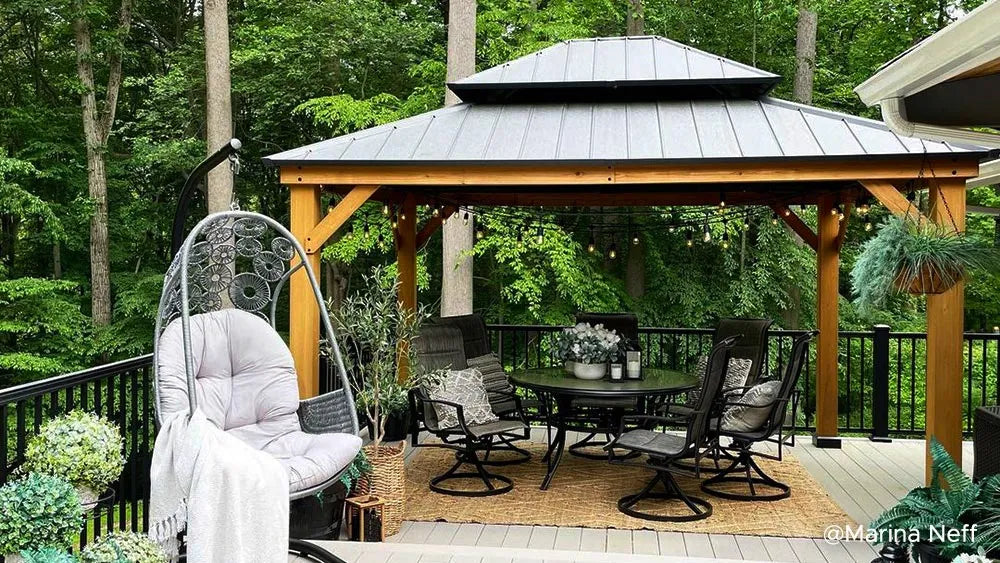
A permanent backyard structure is one of the most valuable long-term upgrades you can make to your outdoor space. Whether your goal is creating a sheltered living area, protecting vehicles, adding a workspace, or building an inviting entertainment zone, the right structure must offer reliable long-term durability, consistent performance, and year-round comfort.
Because the market offers gazebos, pergolas, sheds, carports, and hybrid designs, choosing the right permanent backyard structure can feel overwhelming. The key is to understand the engineering, material strength, and structural features that determine whether a product will last for years—not just a single season.
This guide breaks down the essential specifications homeowners should compare, using clear data, real-world examples, and practical scenario-based recommendations.
Conclusion First: What Defines a Permanent Backyard Structure?
A structure is considered permanent when it is engineered for year-round use and built with materials designed to withstand seasonal changes—including rain, snow, wind, UV exposure, and temperature swings. Permanent outdoor structures share the following characteristics:
- Metal construction, such as powder-coated steel or reinforced aluminum
- Roofing designed for long-term weather resistance
- Wind rating of at least 40–50 mph
- Snow load capacity of 1500–4000 lbs depending on size
- Reinforced posts between 3–5 inches
- Anchoring solutions compatible with concrete footings or pads
- Minimal maintenance over time
Choosing a structure without considering these data points may lead to performance issues, instability, or early degradation.
1. Identify the Purpose Before Choosing the Structure
Different backyard structures serve different functions. Understanding your primary need helps narrow the options immediately.
For outdoor shade & entertaining
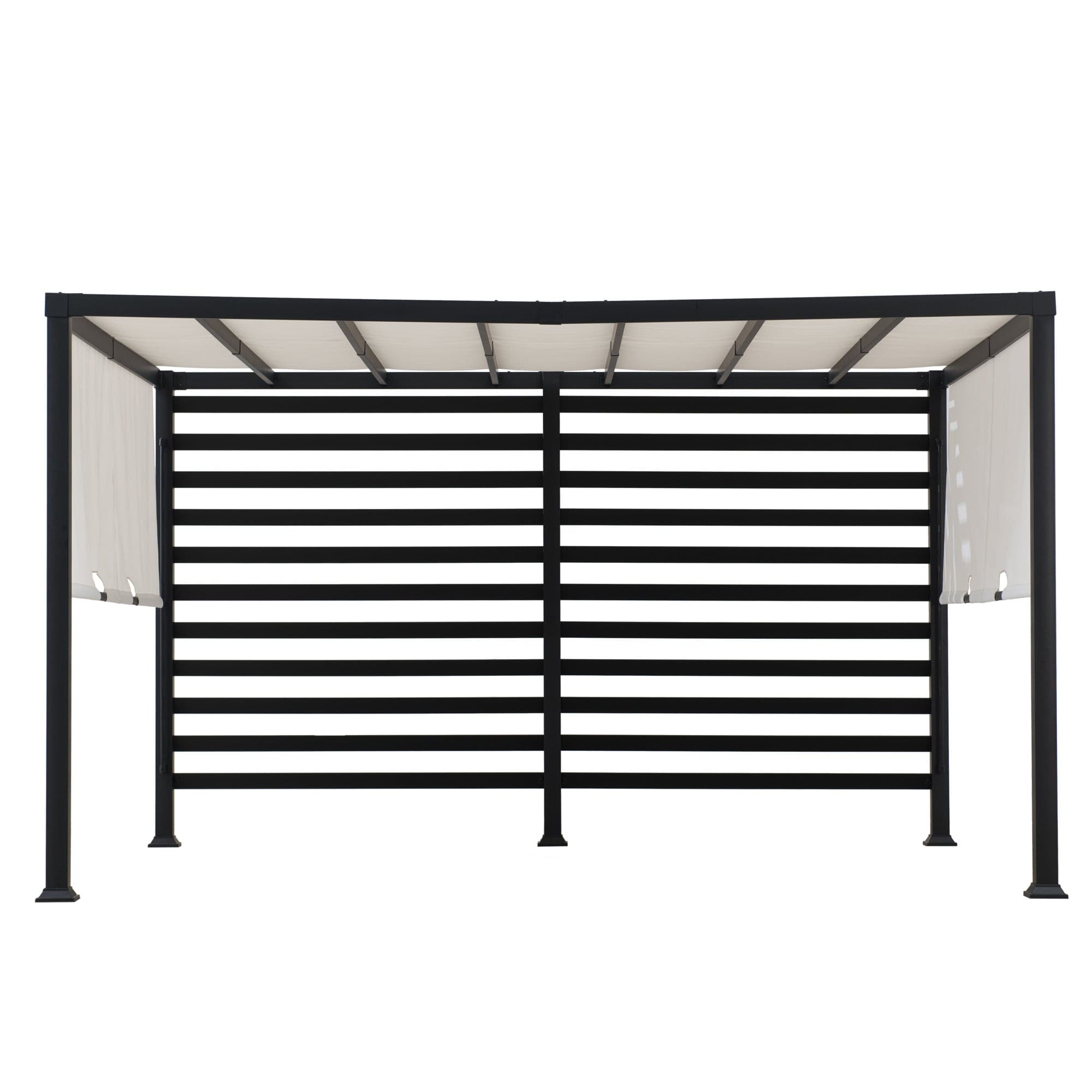
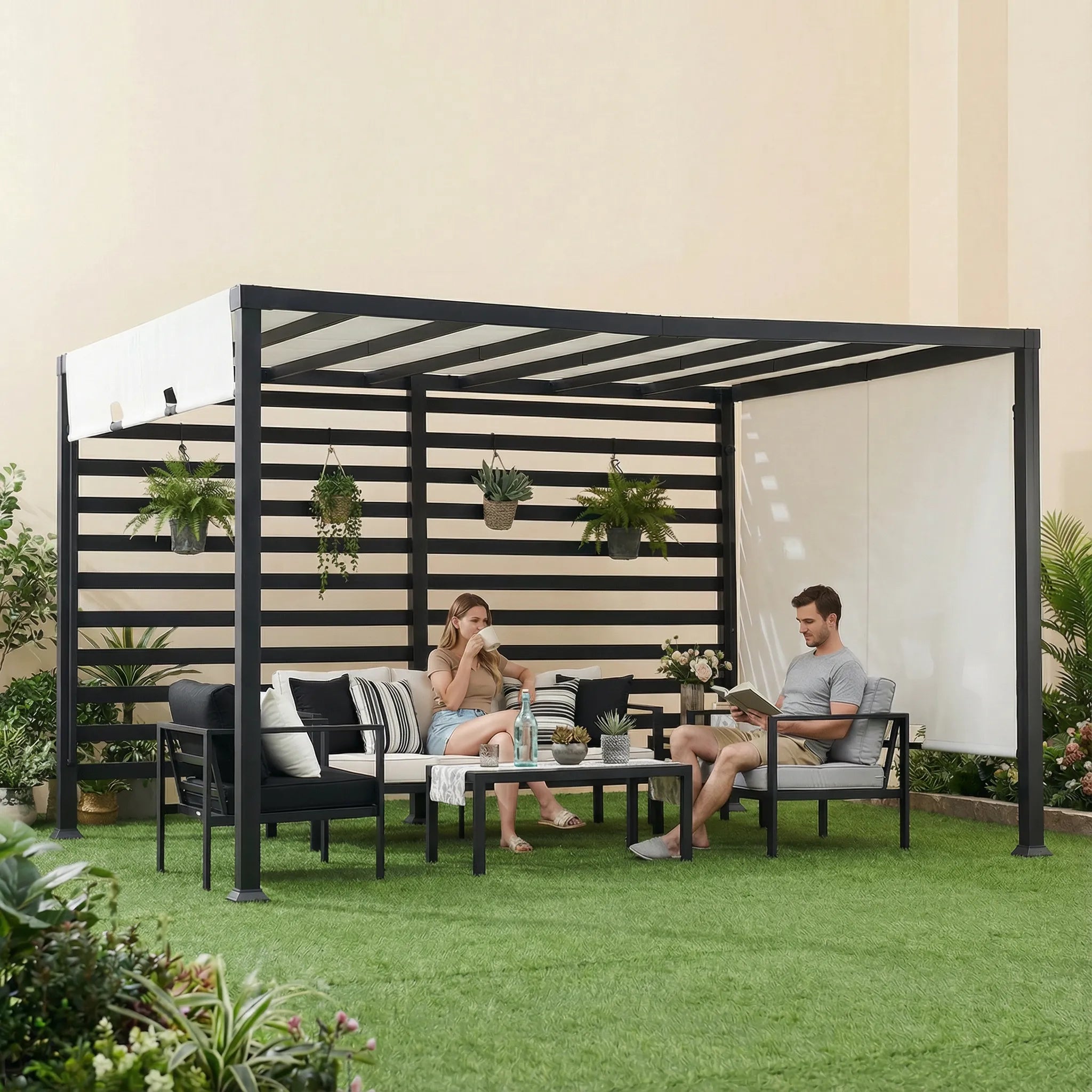
Choose a pergola or hardtop gazebo with a steel frame and weather-resistant design. These structures support lighting, curtains, heaters, and outdoor furniture.
For all-season protection
Consider a metal carport or an enclosed hardtop gazebo that offers strong snow load and wind performance.
For storage or workspace
A backyard office shed or utility shed delivers privacy, insulation options, and secure long-term storage.
For multi-purpose use
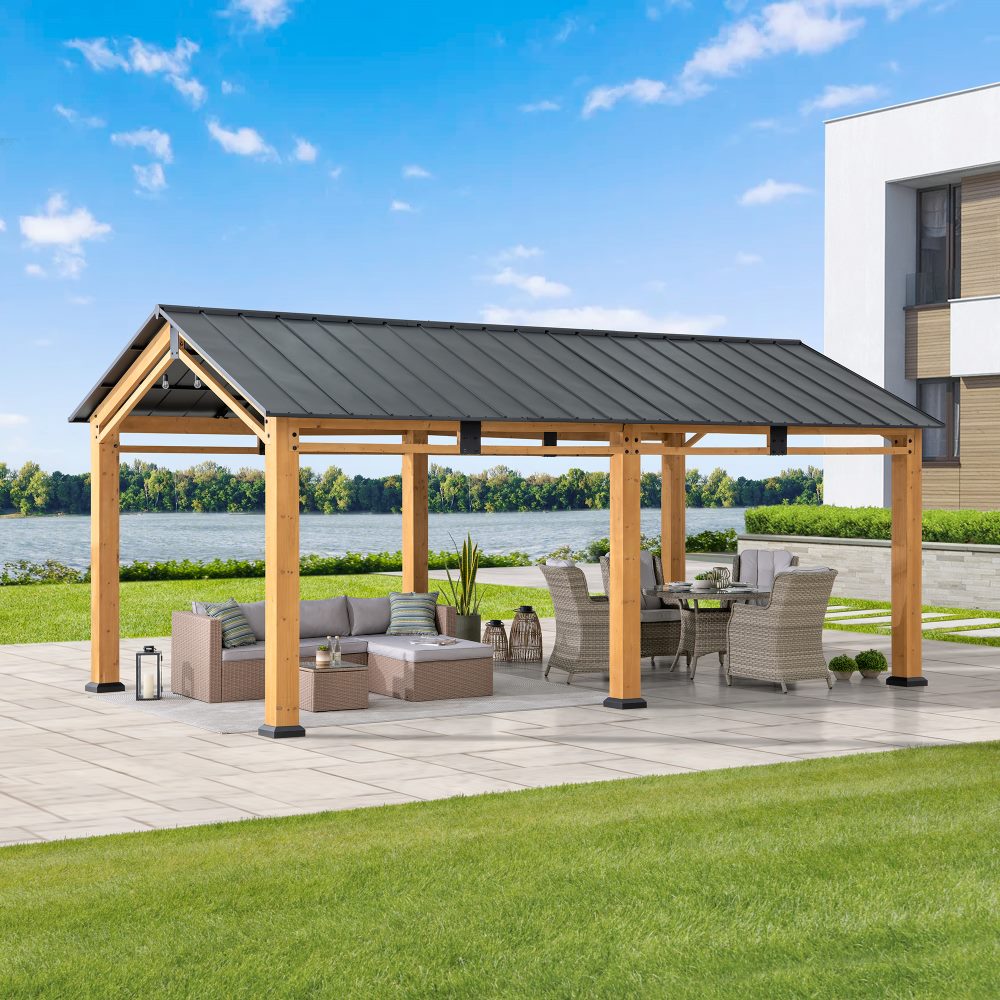
Hybrid structures—like a covered pavilion—offer both open-air entertainment and reliable shade.
Your backyard function determines the engineering strength you’ll need.
2. Compare the Material: Steel, Aluminum, or Wood?
Different materials offer different levels of durability, maintenance requirements, and structural stability.
Steel Frame (Most Durable)
- Highest structural stability
- Excellent for year-round outdoor structure use
- Superior snow load and wind strength
- Powder-coated steel resists corrosion
- Best for permanent installations
Ideal for carports, gazebos, or structures requiring heavy load support.
Aluminum Frame
- Lightweight
- Rust-resistant
- Medium structural performance
Best for pergolas or decorative structures.
Wood
- Visually warm and natural
- Requires regular maintenance
- Can warp or rot over time
Works well aesthetically but not the strongest option for extreme weather.
For homeowners seeking unmatched durability, steel construction combined with galvanized roof panels is the gold standard.
3. Snow Load and Wind Rating: The Most Important Engineering Specs
These two metrics determine whether a structure can be safely used as a long-term installation.
Snow Load
Snow load capacity measures how much vertical weight the roof can support.
A truly permanent structure should offer:
- 30–55 lbs/ft² snow load
- Or 1500–4000 lbs total depending on structure size
Wind Rating
Wind rating indicates how much horizontal force the structure can resist.
Look for:
- 40–50 mph wind rating or higher
- Reinforced beams and triangulated supports
- Secure anchoring hardware
A structure without published ratings should not be considered permanent.
4. Choose the Right Roof Design
Roof performance determines shade, drainage, ventilation, and overall structural stability.
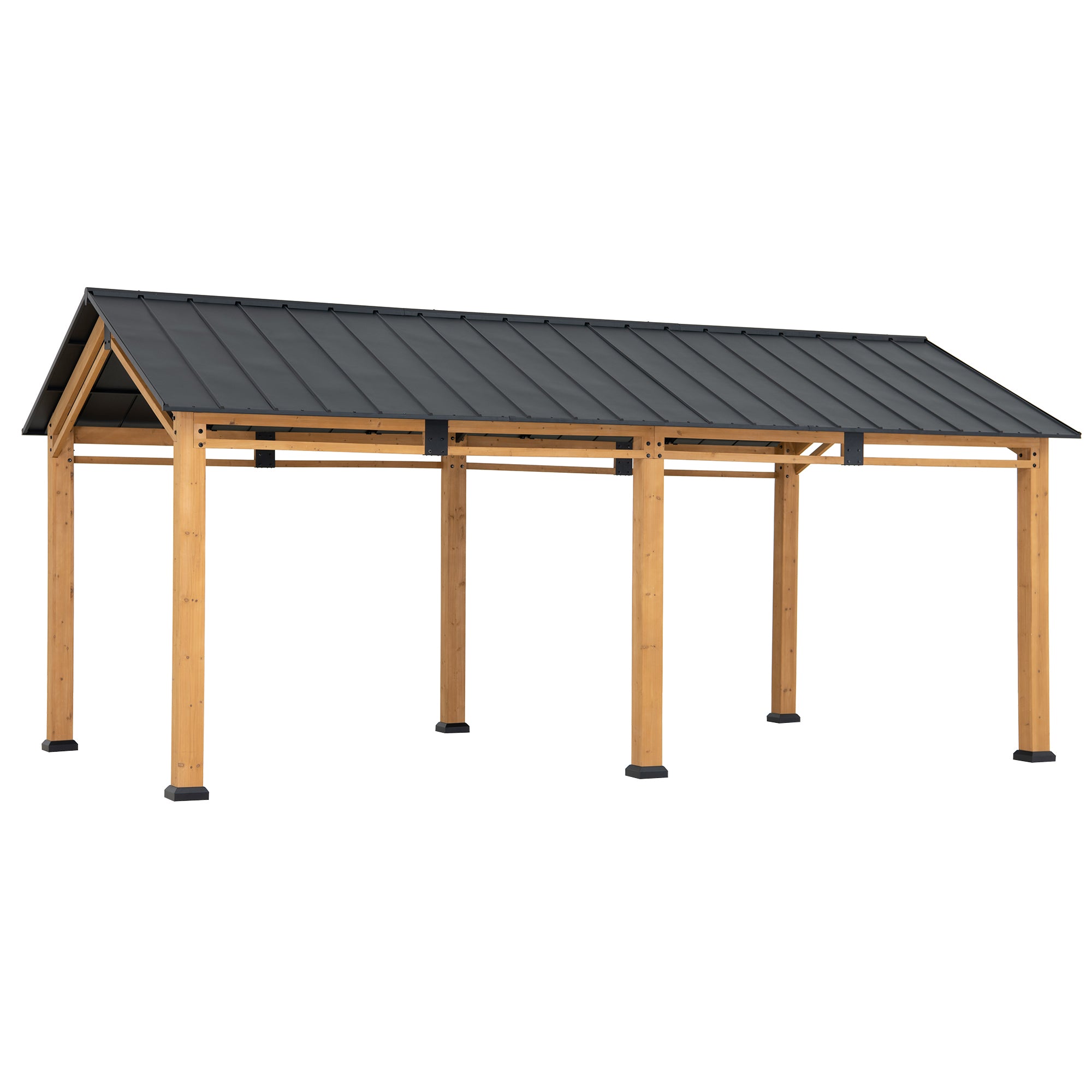
Hardtop Steel Roof
- Best for full weather protection
- Strongest snow load performance
- Excellent for long-term installations
- Low maintenance
Polycarbonate Panels
- Lightweight but durable
- UV-resistant
- Good for partial weather protection
- Lower load-bearing capacity than steel
Fabric or Soft Top
- Suitable for seasonal use only
- Not appropriate for permanent installation
- Limited snow and wind performance
For year-round reliability, a galvanized or steel hardtop roof remains the strongest choice.
5. Anchoring and Foundation: Critical for Structural Stability
Even the strongest frame fails without a secure foundation.
What to Look For:
- Compatibility with concrete anchors
- Reinforced base plates
- Multi-point anchoring hardware
- Options for ground pads or poured concrete
Anchoring determines real-world stability more than most homeowners realize.
6. Accessory Compatibility: Make Sure the Structure Supports Use Cases
A permanent structure should offer more functionality than basic shade.
- Look for compatibility with:
- Ceiling hooks
- Curtains or netting
- Privacy walls
- Lighting systems
- Outdoor heaters
- Shelving or bar counters
Structures that support add-ons offer better long-term value and adaptability.
7. Maintenance Requirements: Permanent Means Low-Maintenance
An ideal permanent structure should require minimal upkeep.
Low-maintenance features include:
- Powder-coated or rust-resistant steel
- Galvanized roof panels
- Pre-drilled parts for easy assembly
- Enclosed roof channels for drainage
- Durable fasteners protected from rust
These features extend lifespan without continual repairs.
8. Real User FAQ
FAQ 1: What is the most durable type of backyard structure?
A steel-framed structure with a galvanized or steel hardtop roof offers the highest durability. These materials resist deformation, support heavy snow load, and maintain long-term stability.
FAQ 2: How can I tell if a backyard structure is suitable for year-round use?
Check for published engineering specs:
- Snow load capacity
- Wind rating
- Roof material type
- Reinforced posts
- Anchoring method
If these numbers are not listed, the structure may not be intended for permanent use.
FAQ 3: Should I choose a pergola or a gazebo for a permanent installation?
Choose a hardtop gazebo for complete weather coverage, or a pergola if you prefer airflow and adjustable light. For winter-heavy areas, hardtop gazebos are more reliable.
FAQ 4: Do permanent structures require professional installation?
Many pre-engineered structures, such as steel gazebos and metal carports, are designed for DIY assembly with pre-drilled holes and modular components. However, anchoring to concrete may require additional tools or assistance.
FAQ 5: What engineering features matter most when choosing a backyard structure?
Look for:
- The strength of the frame
- Snow and wind performance
- Roof durability
- Post thickness
- Anchoring options
These determine how well the structure performs over years—not seasons.
9. SUNJOY Permanent Backyard Structure Comparison Table
|
Model |
Type |
Roof Material |
Snow Load |
Wind Rating |
Post Size |
Best Use |
|
Carport |
Steel |
4400 lbs |
50 mph |
Steel |
Vehicles + shade |
|
|
Gazebo |
Steel roof |
3500 lbs |
50 mph |
Steel + aluminum |
Year-round shade |
|
|
Gazebo |
Fabric canopy |
Standard |
15–20 mph |
Steel |
Seasonal use |
|
|
Pergola |
Adjustable canopy |
Light duty |
15–20 mph |
Steel |
Outdoor dining |
|
|
Shed |
Asphalt/steel mix |
High durability |
High stability |
Steel + aluminum |
Workspace + storage |