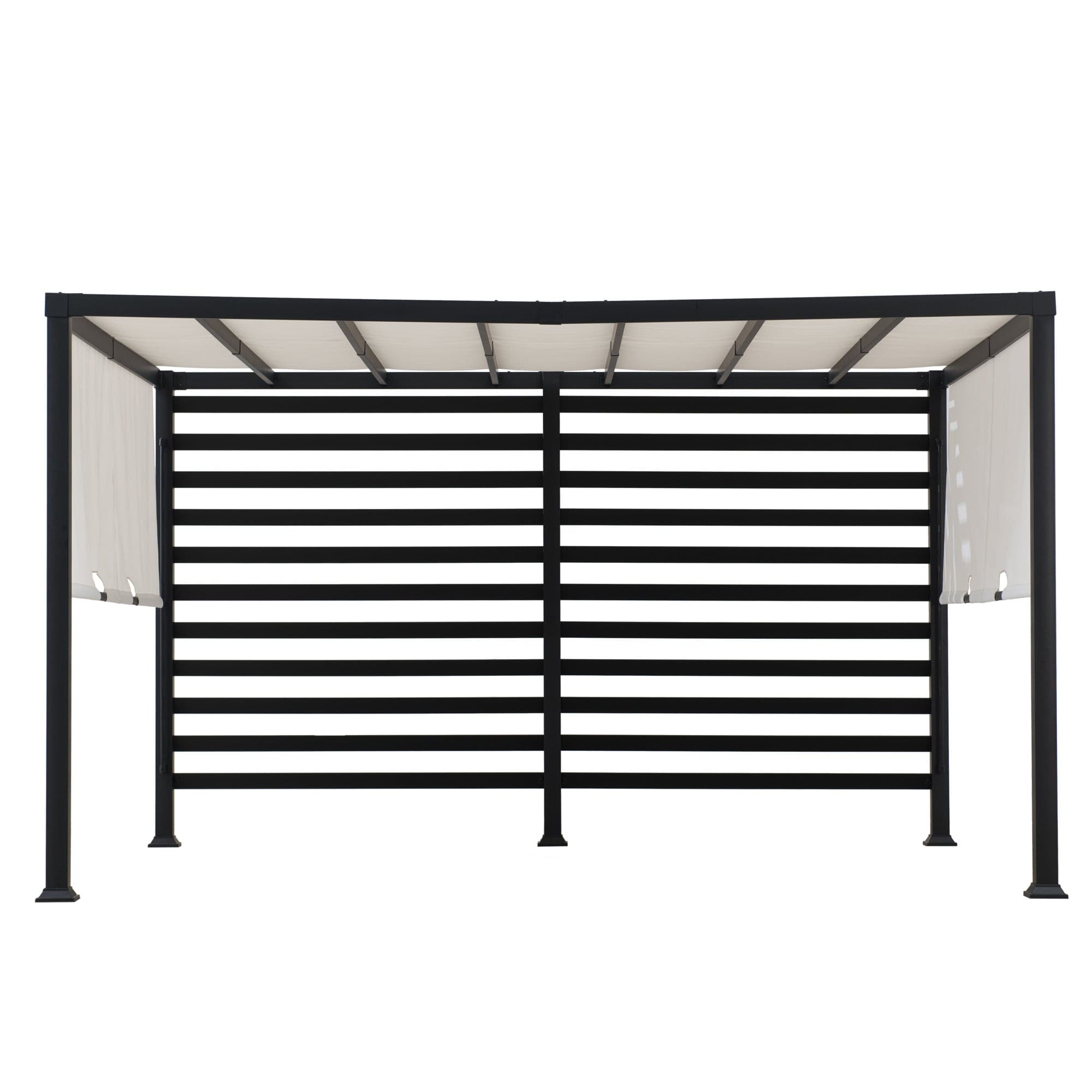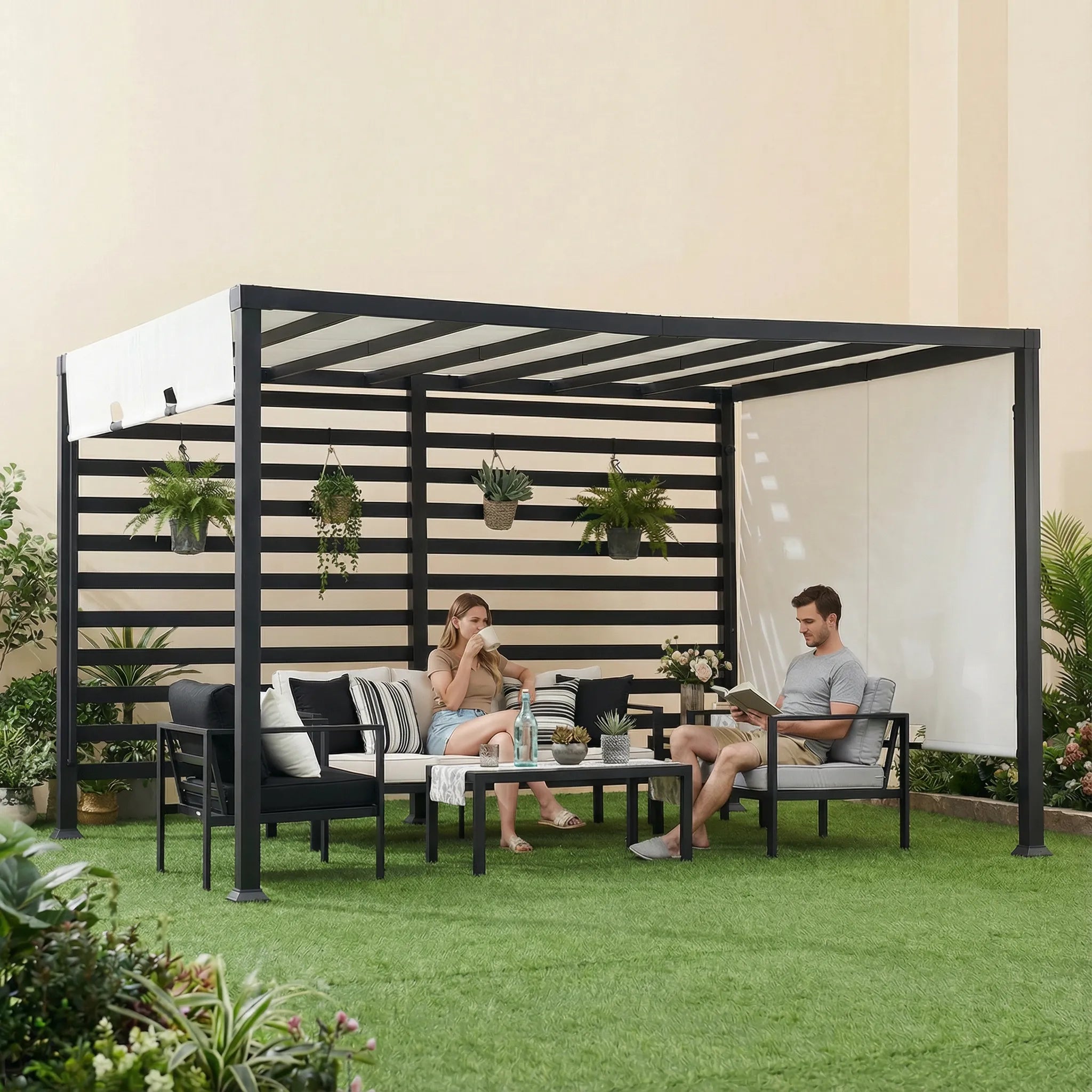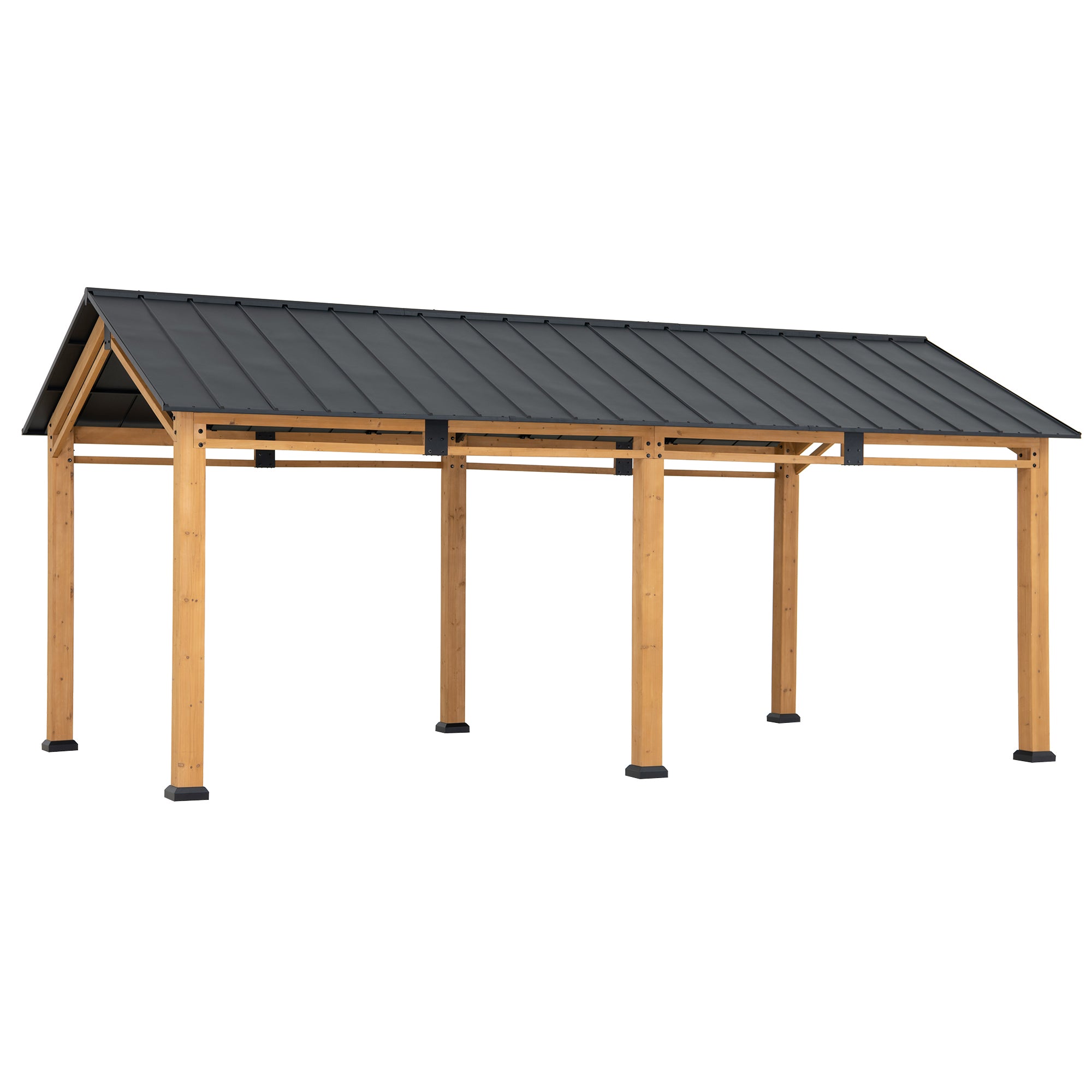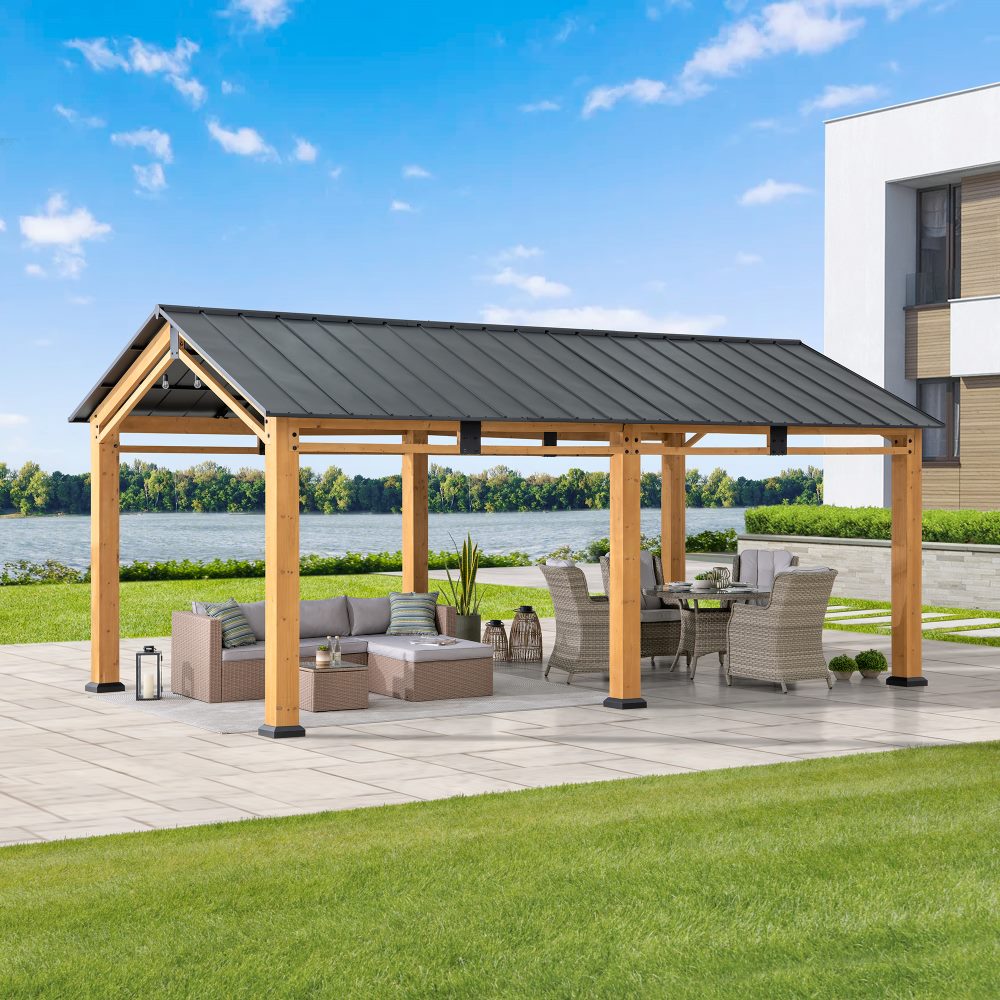
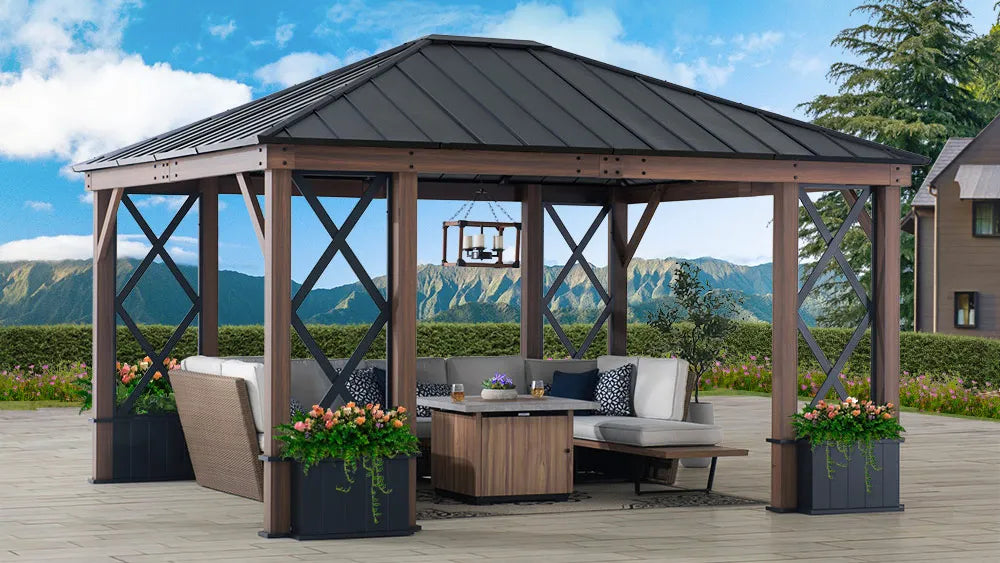
A gazebo instantly transforms an outdoor space into a more functional and inviting area for dining, relaxing, or entertaining. However, one challenge many homeowners face is how to anchor the structure securely without damaging patios, decks, or landscaped areas.
Traditional anchoring methods often involve:
- Concrete footings
- Drilled anchor bolts
- Ground stakes
- Permanent hardware installations
While these solutions provide excellent stability, they are not always ideal for decorative patios or flexible outdoor layouts. Many homeowners want a solution that improves both safety and aesthetics.
This is where planter anchoring becomes an innovative alternative.
By combining heavy decorative planters with smart placement and integrated support systems, a gazebo can become both more stable and more visually appealing. Instead of hiding anchoring elements, the anchoring itself becomes part of the outdoor design.
Why Planter Anchoring Has Become Popular
Outdoor living spaces are increasingly designed to feel like extensions of the home rather than purely functional backyards.
Homeowners now prioritize:
- Flexible layouts
- Decorative landscaping
- Multi-functional outdoor zones
- Cleaner visual design
- Less invasive installations
Planter anchoring supports these goals because it:
- Conceals anchoring systems naturally
- Adds greenery and texture
- Improves privacy
- Softens hard structural lines
- Allows seasonal rearrangement
Rather than making a gazebo feel industrial or temporary, planters help integrate it into the overall landscape design.
How Planter Anchoring Actually Works
Planter anchoring relies on weight distribution and strategic positioning.
Instead of drilling directly into concrete or pavers, heavy planters are placed around gazebo posts to:
- Add downward pressure
- Reduce movement during wind
- Stabilize lightweight structures
- Reinforce corners visually and structurally
Some setups also connect planters to the gazebo frame using:
- Hidden brackets
Steel cables
Tie-down systems
Weighted base plates
The effectiveness depends on:
- Gazebo size
- Wind exposure
- Planter weight
- Ground surface
- Structural design
Best Types of Planters for Gazebo Anchoring
Not every planter works equally well for stabilization.
1. Concrete Planters
Advantages
- Extremely heavy
- Highly wind resistant
- Durable year-round
Best For
- Hardtop gazebos
- Wind-prone areas
- Permanent installations
Limitations
- Difficult to move
- More expensive
2. Stone or Composite Planters
Advantages
- Decorative appearance
- Good weight balance
- Weather resistant
Best For
- Modern patios
- Contemporary outdoor spaces
3. Metal Planters with Weighted Fill
These planters are often filled with:
- Gravel
- Sand
- Concrete blocks
- Decorative stones
Advantages
- Stylish appearance
- Adjustable weight
- Easier repositioning
4. Wooden Planter Boxes
Advantages
- Warm natural appearance
- Easy customization
- Blends with wood gazebos
Limitations

Comparison Table: Which Planter Type Works Best?
|
Planter Type |
Stability |
Style Flexibility |
Mobility |
Best For |
|
Concrete |
Excellent |
Moderate |
Low |
Permanent gazebos |
|
Stone/Composite |
Very Good |
Excellent |
Medium |
Decorative patios |
|
Metal Weighted |
Good |
Modern |
Medium |
Flexible layouts |
|
Wood Boxes |
Moderate |
Excellent |
High |
Rustic outdoor spaces |
How Much Weight Does a Gazebo Need?
The required weight depends heavily on:
- Gazebo size
- Roof type
- Wind conditions
- Ground surface
General Weight Guidelines
| Gazebo Type | Suggested Total Added Weight |
| Pop-up Gazebo | 80–120 lbs |
| Soft Top Gazebo | 150–250 lbs |
| Hardtop Gazebo | 300+ lbs (plus proper anchoring if permanent) |
Weighted planters should be distributed evenly around the structure rather than concentrated in one area.
Creative Planter Layout Ideas
Corner Anchor Design
Place large decorative planters directly beside each gazebo post.
Benefits
- Symmetrical appearance
- Improved corner stability
- Defined visual boundaries
This is one of the simplest and most effective setups.
Built-In Seating and Planter Combination
Some homeowners combine:
- Raised planter beds
- Bench seating
- Gazebo corner supports
This creates:
- Functional seating
- Extra stabilization
- Integrated landscaping
The result feels more architectural and intentional.
Privacy Wall Planters
Tall planters with grasses or climbing greenery can:
- Add privacy
- Reduce wind exposure
- Create natural barriers
Popular plant choices include:
- Bamboo
- Ornamental grasses
- Evergreen shrubs
- Climbing vines
This method improves both comfort and stability simultaneously.
How Planters Improve Wind Resistance
Many homeowners underestimate how much landscaping affects wind behavior.
Strategically placed planters:
- Break up airflow
- Reduce sudden gust pressure
- Add stabilizing weight
- Prevent frame shifting
Combined with proper gazebo positioning, this can significantly improve overall performance during moderate weather.
However, planters should never replace proper permanent anchoring for large heavy structures in severe wind zones.
Best Ground Surfaces for Planter Anchoring
Paver Patios
Excellent for planter systems because:
- No drilling required
- Easy layout adjustments
- Decorative integration
Deck Installations
Weighted planters reduce the need for invasive deck drilling.
Ensure deck load capacity supports:
- Planter weight
- Soil
- Water saturation
Concrete Patios
Ideal for combining:
- Weighted planters
- Hidden brackets
- Surface anchor systems
Using Plants Strategically
The plants themselves also contribute to functionality.
Low Maintenance Choices
- Boxwood
- Lavender
- Succulents
- Dwarf grasses
Privacy Enhancing Choices
- Bamboo
- Tall grasses
- Arborvitae
Atmosphere Enhancing Choices
- Flowering vines
- Ferns
- Herbs
- Tropical greenery
The goal is balancing:
- Weight
- Appearance
- Maintenance needs
Common Mistakes to Avoid
Using Lightweight Empty Planters
Decorative appearance alone does not improve stability.
Always ensure:
- Proper weighted fill
- Dense soil
- Secure positioning
Ignoring Drainage
Water accumulation increases planter weight unevenly and may:
- Damage patios
- Shift surfaces
- Stress gazebo frames
Ensure proper drainage holes remain clear.
Overcrowding the Gazebo Perimeter
Too many oversized planters can:
- Restrict movement
- Make spaces feel cramped
- Interrupt airflow
Balance structure and openness carefully.
FAQ: Gazebo Anchoring with Planters
Can planters really secure a gazebo?
Yes, especially for soft top or lightweight gazebos when combined with proper weight and placement.
Do weighted planters replace permanent anchors?
Not completely. Permanent hardtop gazebos may still require reinforced anchoring depending on weather conditions.
What should I fill planters with for extra weight?
Popular options include:
- Gravel
- Sand
- Concrete pavers
- Decorative rock
Can planter anchoring work on pavers?
Yes, planter systems are especially popular on paver patios because they avoid drilling into the surface.
What plants work best around gazebos?
Low-maintenance greenery and wind-tolerant plants are ideal for long-term outdoor use.
How Planter Anchoring Enhances Outdoor Design
One major advantage of planter anchoring is that it transforms stabilization into decoration.
Instead of exposed bolts and brackets, homeowners gain:
- Layered landscaping
- Defined outdoor zones
- Improved visual softness
- Better privacy
- More luxurious outdoor styling
The gazebo becomes part of the landscape rather than a separate structure placed on top of it.
Conclusion
Creative planter anchoring offers a smart alternative to traditional gazebo stabilization methods. By combining weighted decorative planters with thoughtful layout planning, homeowners can improve both the security and visual appeal of their outdoor spaces.
Whether using concrete planters for maximum stability, raised planter boxes for integrated seating, or privacy greenery to soften the space, this approach allows a gazebo to feel more intentional, elegant, and connected to the surrounding landscape.
The key is balancing:
- Weight
- Structure
- Wind resistance
- Drainage
- Outdoor aesthetics
When done correctly, planter anchoring transforms a gazebo from a simple backyard structure into a secure and beautifully integrated outdoor living destination.