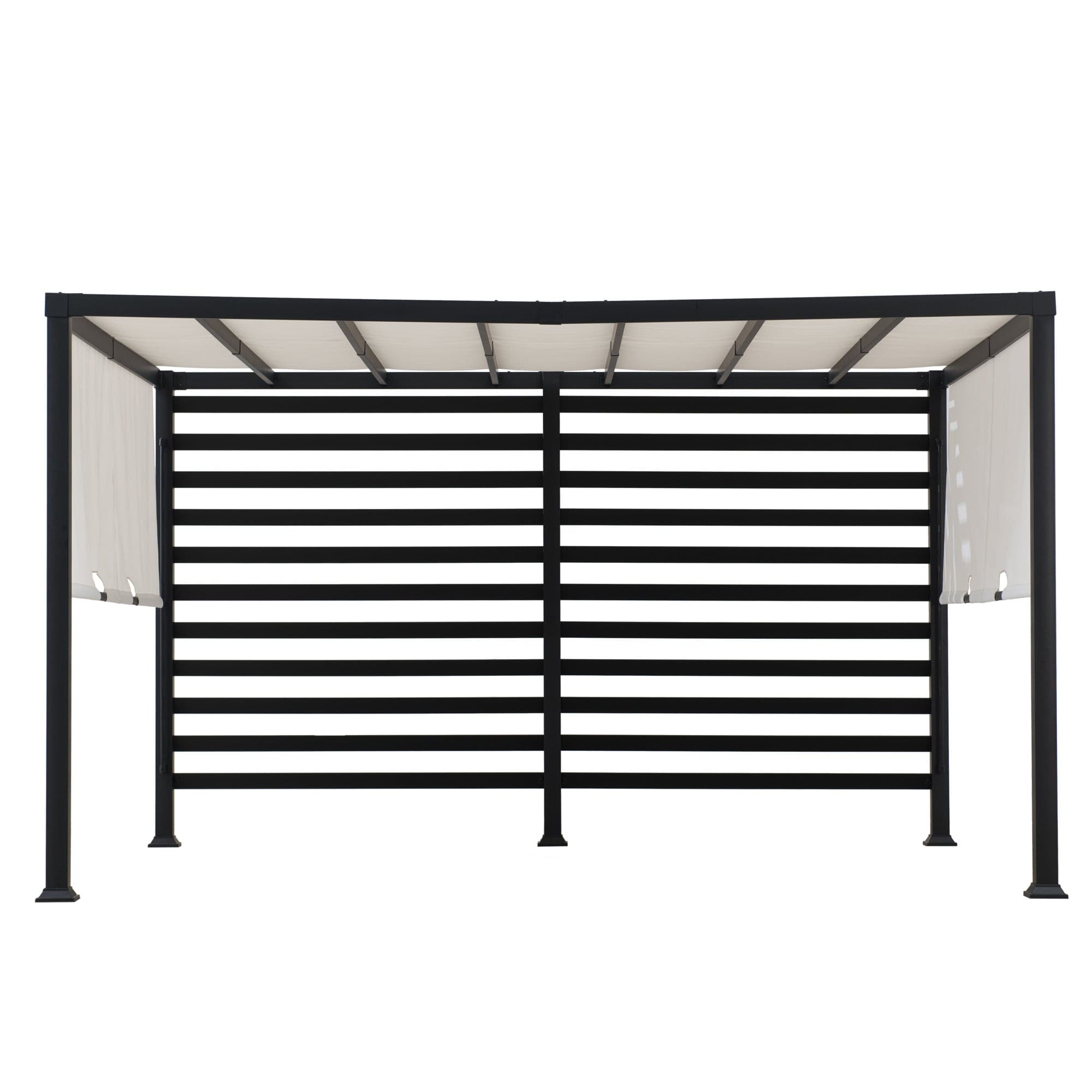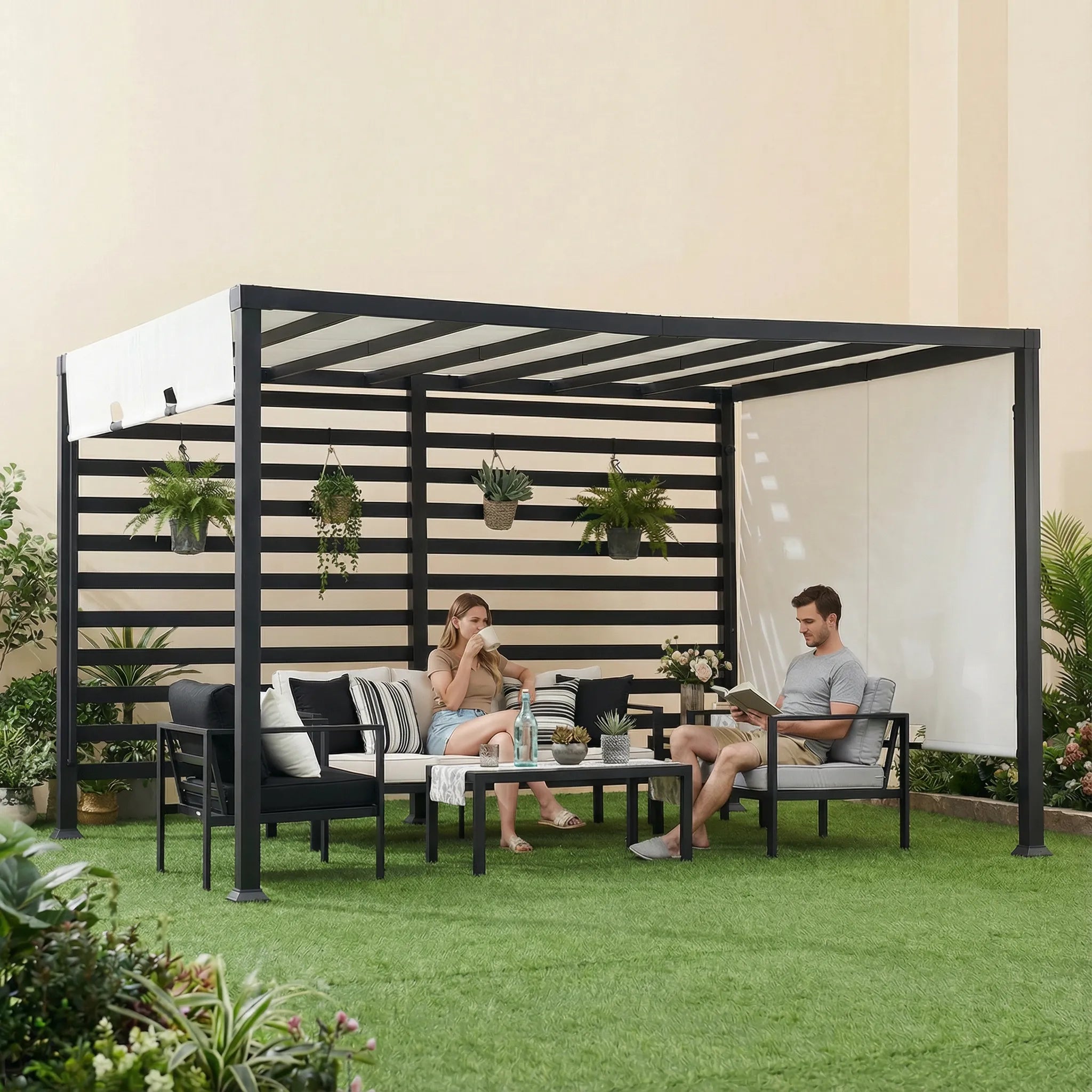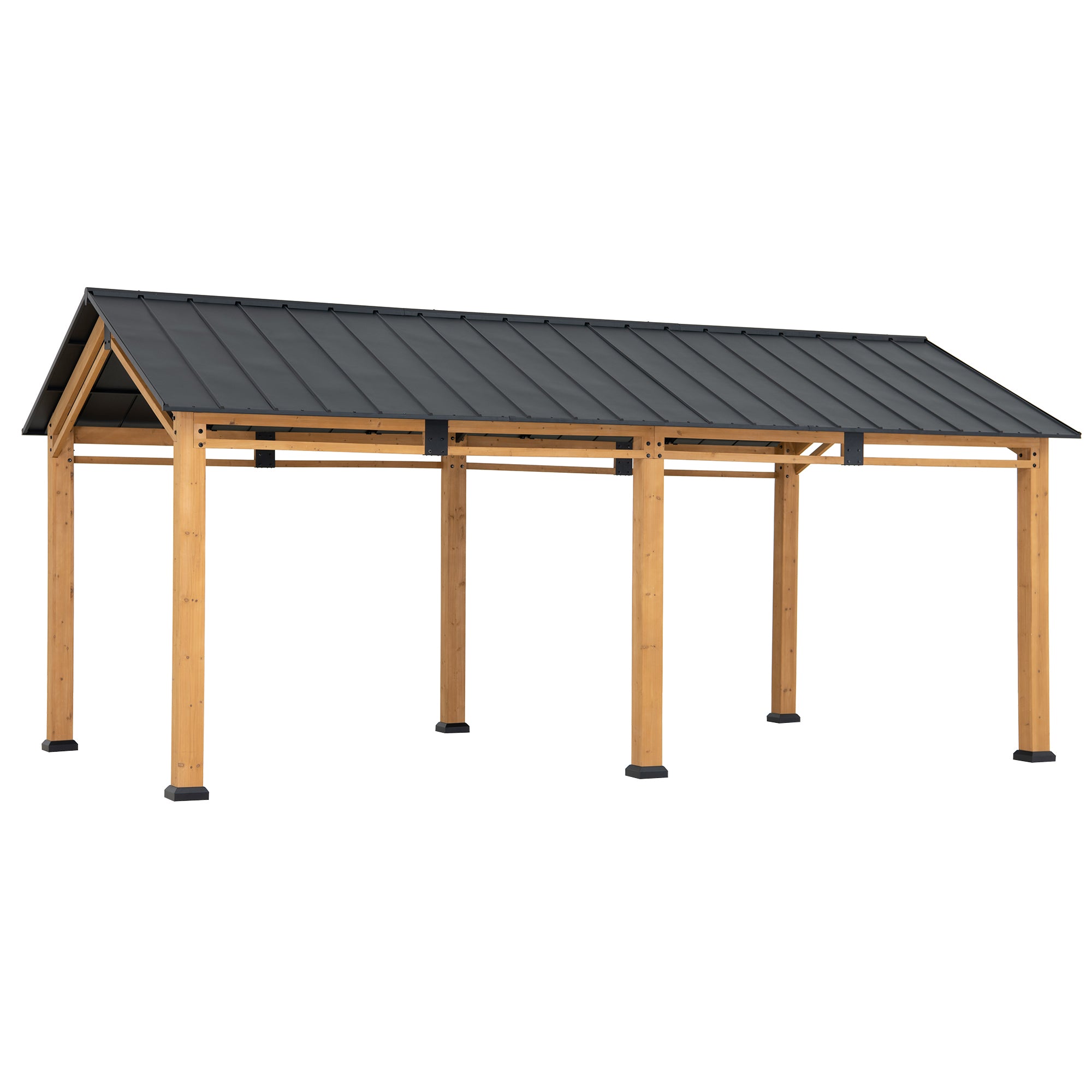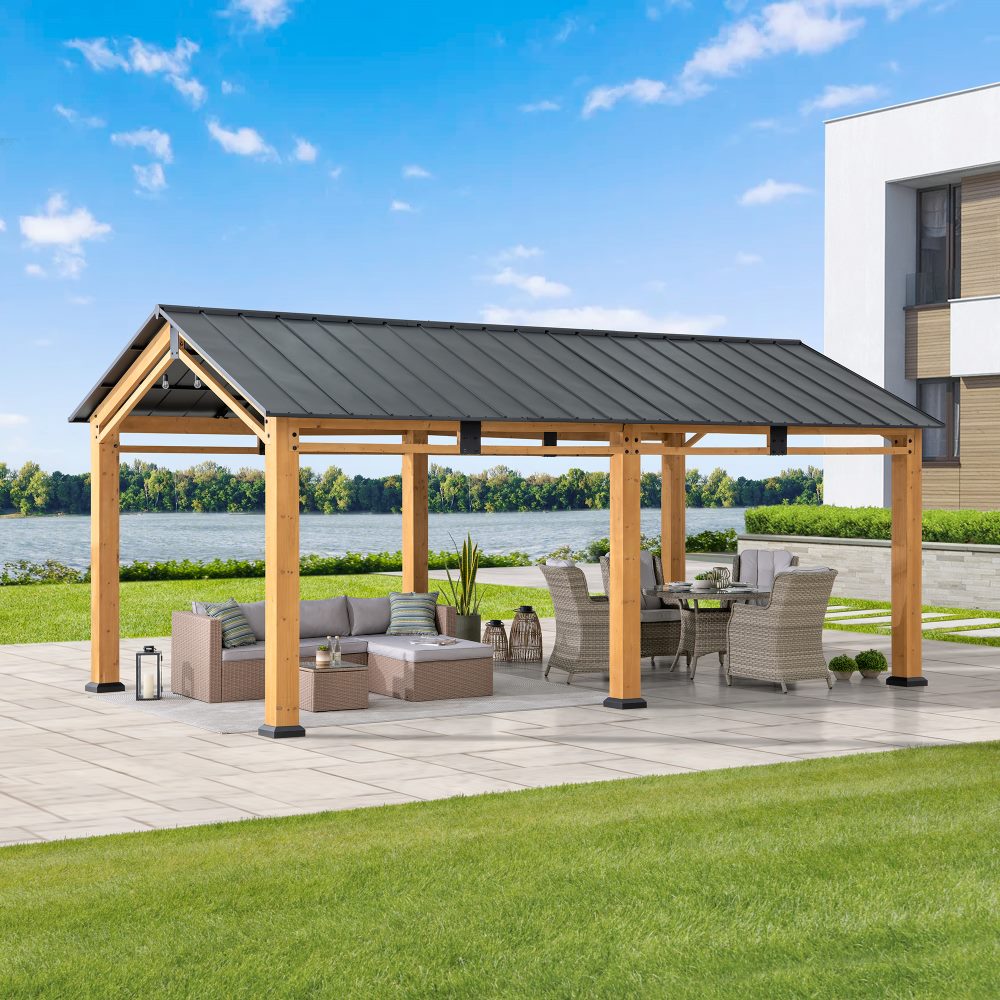
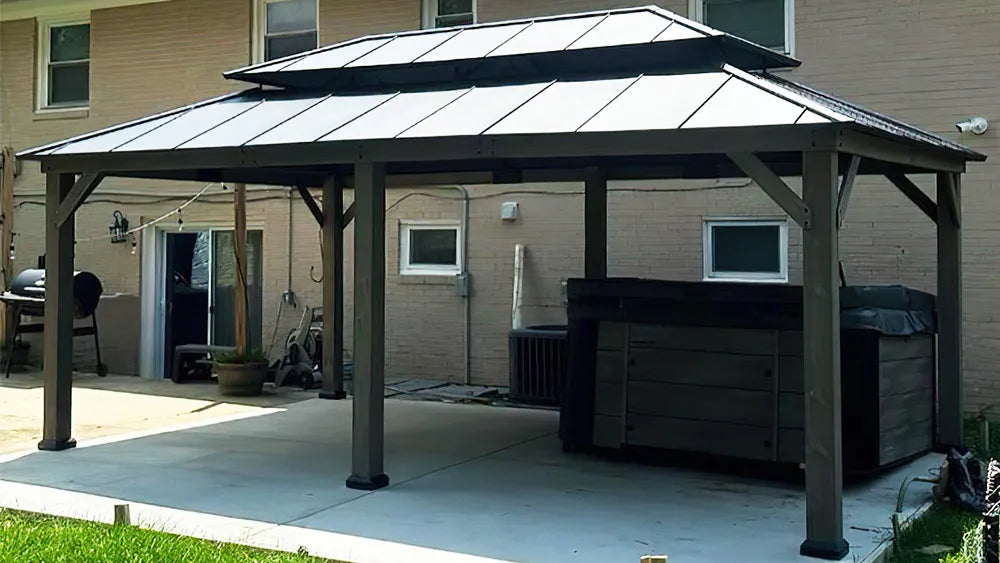
“Premium gazebo” is a term many shoppers encounter—but few fully understand. At a glance, many gazebos look similar: a roof, posts, and an open structure designed for shade. Yet after a few seasons of real use, the differences between a standard gazebo and a truly premium one become obvious.
For Canadian homeowners, a premium gazebo is not defined by appearance alone. It is defined by how the structure performs under rain, wind, snow load, and temperature changes—year after year. Understanding what truly makes a gazebo premium helps homeowners avoid short-term solutions and invest in structures built for long-term comfort and reliability.
This guide breaks down the real indicators of a premium gazebo, focusing on structure, materials, roof engineering, finishing quality, and long-term value.
1. A Premium Gazebo Starts With Structural Integrity
The foundation of any premium gazebo is its structural design. This includes the size of the posts, the thickness of beams, and—most importantly—how the components connect.
Premium gazebos use reinforced frames with engineered load paths that distribute stress evenly across the structure. Larger posts reduce sway, while reinforced joints prevent loosening over time. These design choices are critical in Canadian environments, where strong winds and snow accumulation place repeated stress on outdoor structures.
In contrast, standard gazebos often rely on thinner framing and simplified connectors to reduce cost. While these designs may appear stable at first, they are more likely to flex, shift, or loosen after repeated exposure to wind and seasonal movement.
A gazebo that remains rigid under stress is not just safer—it lasts longer and feels more secure during everyday use.
2. Roof Design: Where Premium Quality Is Most Visible
The roof is the most important functional component of a gazebo, and one of the clearest indicators of quality.
A premium gazebo roof is engineered to manage weather, not just provide shade. This includes:
Sloped or gable designs that encourage rain and snow to shed naturally
Ventilation layers that allow hot air to escape during warmer months
Structural reinforcement that supports snow load without constant clearing
Flat or shallow roofs, often found on entry-level gazebos, can trap water or snow and require frequent maintenance. Over time, this added stress accelerates wear on both the roof and the frame.
Premium roof designs reduce maintenance demands while improving comfort and safety throughout the year.
3. Material Selection Built for Outdoor Longevity
Materials play a decisive role in whether a gazebo qualifies as premium.
High-quality gazebos are built using materials chosen specifically for long-term outdoor exposure:
Powder-coated steel or aluminum that resists rust and corrosion
Treated natural wood that maintains structural stability through moisture and temperature changes
Roofing materials designed to withstand UV exposure, precipitation, and seasonal extremes
Lower-tier gazebos may use thinner metals, basic coatings, or untreated wood that degrades quickly—especially in freeze-thaw conditions common across Canada.
A premium gazebo does not rely on frequent replacement or repair. Its materials are selected to age slowly and predictably.
4. Finishing and Coating: The Hidden Layer of Protection
Finishing quality is often overlooked, yet it is essential to long-term performance.
Premium gazebos feature:
Even, durable powder coatings that resist chipping and fading
Smooth welds and clean edges that reduce stress points
Hardware designed to resist rust and loosening over time
Inferior finishes may crack or peel after one season, exposing raw material to moisture and accelerating corrosion. Once this protective layer fails, structural degradation follows quickly.
A premium finish is not about shine—it is about protection.
5. Comfort Is Engineered, Not Added Later
A gazebo cannot be considered premium if it only looks good. It must also feel good to use.
Premium designs account for comfort at the engineering level:
Adequate headroom that avoids a closed-in feeling
Ventilation that reduces trapped heat
Built-in support for accessories such as lighting, curtains, or netting
These details allow homeowners to adapt the gazebo for different uses without compromising stability. Standard gazebos often require aftermarket modifications, which can weaken the structure or create visual clutter.
When comfort is part of the original design, the gazebo functions as a true outdoor living space.
6. Adaptability Across Seasons and Uses
A premium gazebo is not tied to a single season or activity.
Well-designed structures support:
Outdoor dining and relaxation in summer
Wind protection during spring and fall
Lighting or heating elements for cooler evenings
This adaptability increases how often the gazebo is used, which directly impacts its overall value. A structure that works across seasons delivers more return than one used only a few months a year.
Premium vs Standard Gazebo: Technical Comparison
The table below summarizes the practical differences homeowners experience over time.
|
Feature |
Premium Gazebo |
Standard Gazebo |
|
Structural frame |
Reinforced beams and thicker posts |
Lightweight frame |
|
Joint design |
Engineered connectors for load distribution |
Basic plates or fittings |
|
Roof design |
Sloped or vented for weather management |
Flat or shallow, mainly for shade |
|
Snow & wind handling |
Designed to reduce stress and buildup |
Requires frequent clearing |
|
Material quality |
Powder-coated metal or treated wood |
Thinner materials, basic coatings |
|
Finish durability |
Long-lasting, corrosion-resistant |
Prone to chipping and fading |
|
Comfort features |
Ventilation, headroom, accessory support |
Minimal comfort planning |
|
Maintenance needs |
Lower over time |
Higher long-term upkeep |
|
Expected lifespan |
Long-term, multi-season use |
Shorter service life |
|
Overall value |
Higher upfront, lower cost per year |
Lower upfront, higher replacement cost |
7. Long-Term Value Matters More Than Initial Price
The real cost of a gazebo is not what you pay on day one—it is how long the structure remains functional and enjoyable.
Premium gazebos typically:
Require fewer repairs
Maintain stability longer
Reduce the need for replacement
For homeowners planning to stay in their homes, investing in a premium gazebo often results in a lower cost per year of use compared to replacing budget structures every few seasons.
Where SUNJOY Fits Into the Premium Definition
SUNJOY’s gazebo designs align closely with the criteria that define premium quality: reinforced structures, weather-aware roof engineering, durable materials, and comfort-focused features designed for real-world use.
Rather than focusing only on aesthetics, SUNJOY emphasizes reliability and adaptability—qualities that matter most in Canadian outdoor environments.
Final Conclusion: Premium Means Confidence Over Time
A truly premium gazebo is not about luxury finishes or trend-driven design. It is about confidence—the confidence that the structure will remain stable, comfortable, and reliable through changing seasons.
By understanding what defines premium quality, homeowners can make informed decisions that prioritize long-term value over short-term savings. In climates where weather is unpredictable, buying premium is often the most practical choice.
A premium gazebo is not something you replace. It is something you rely on.