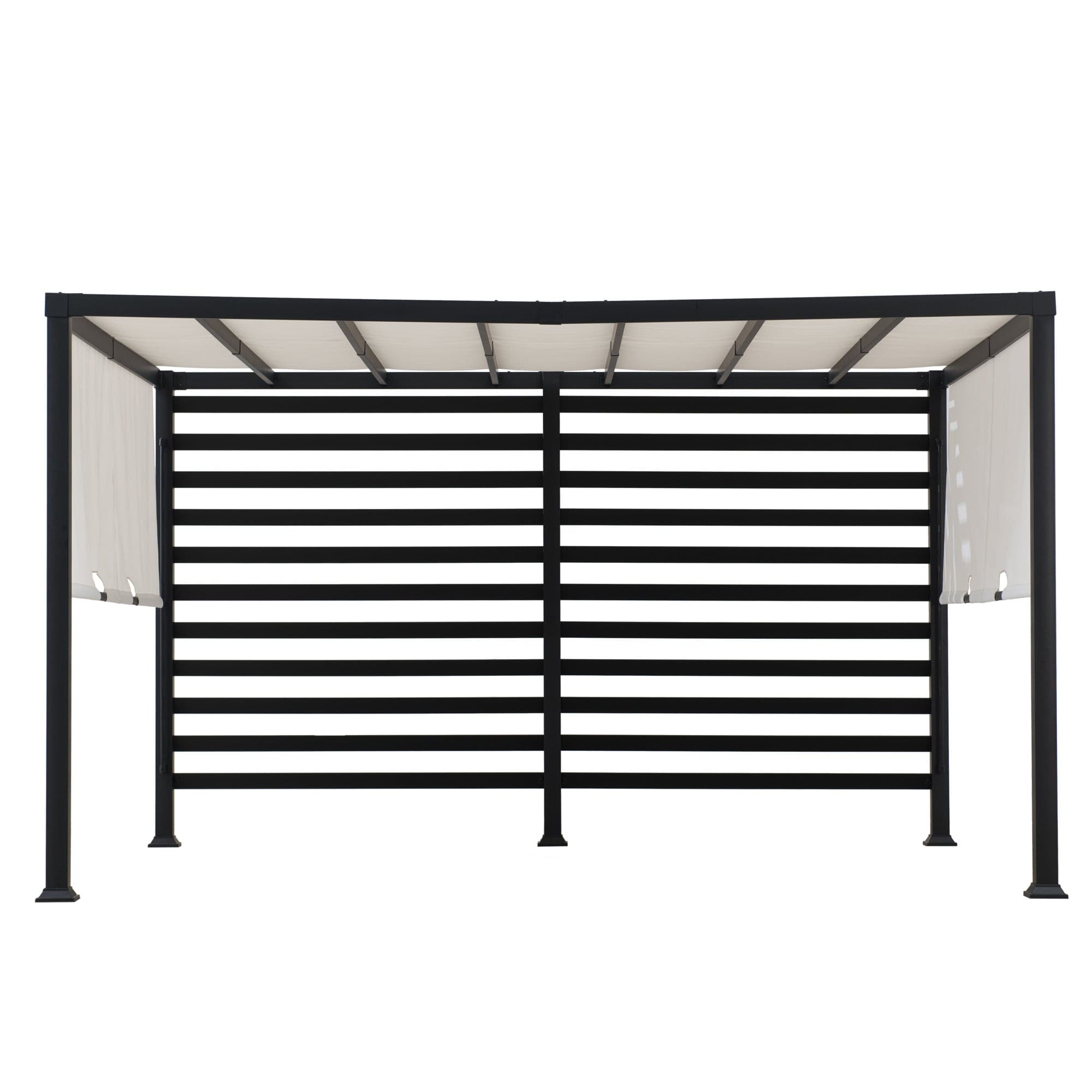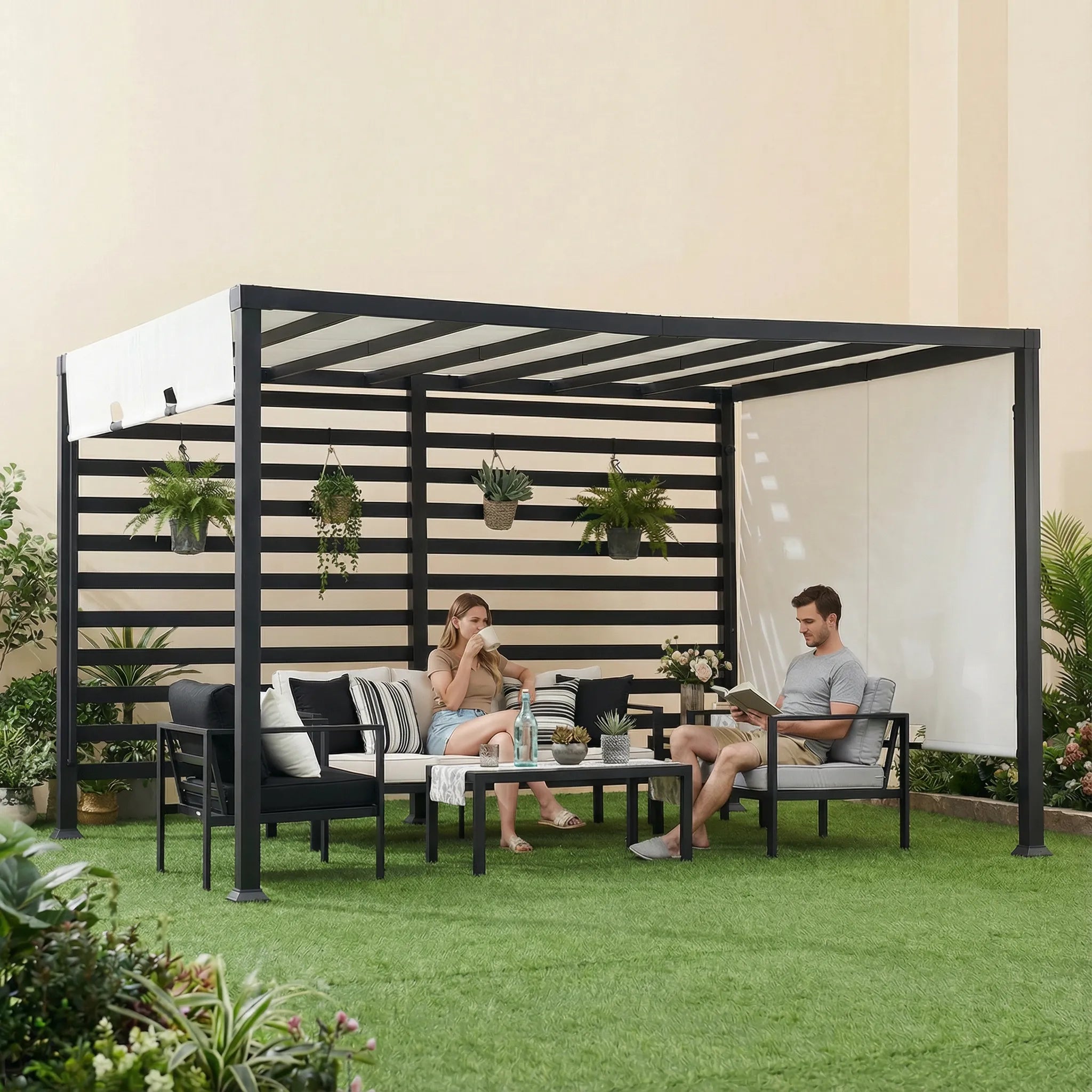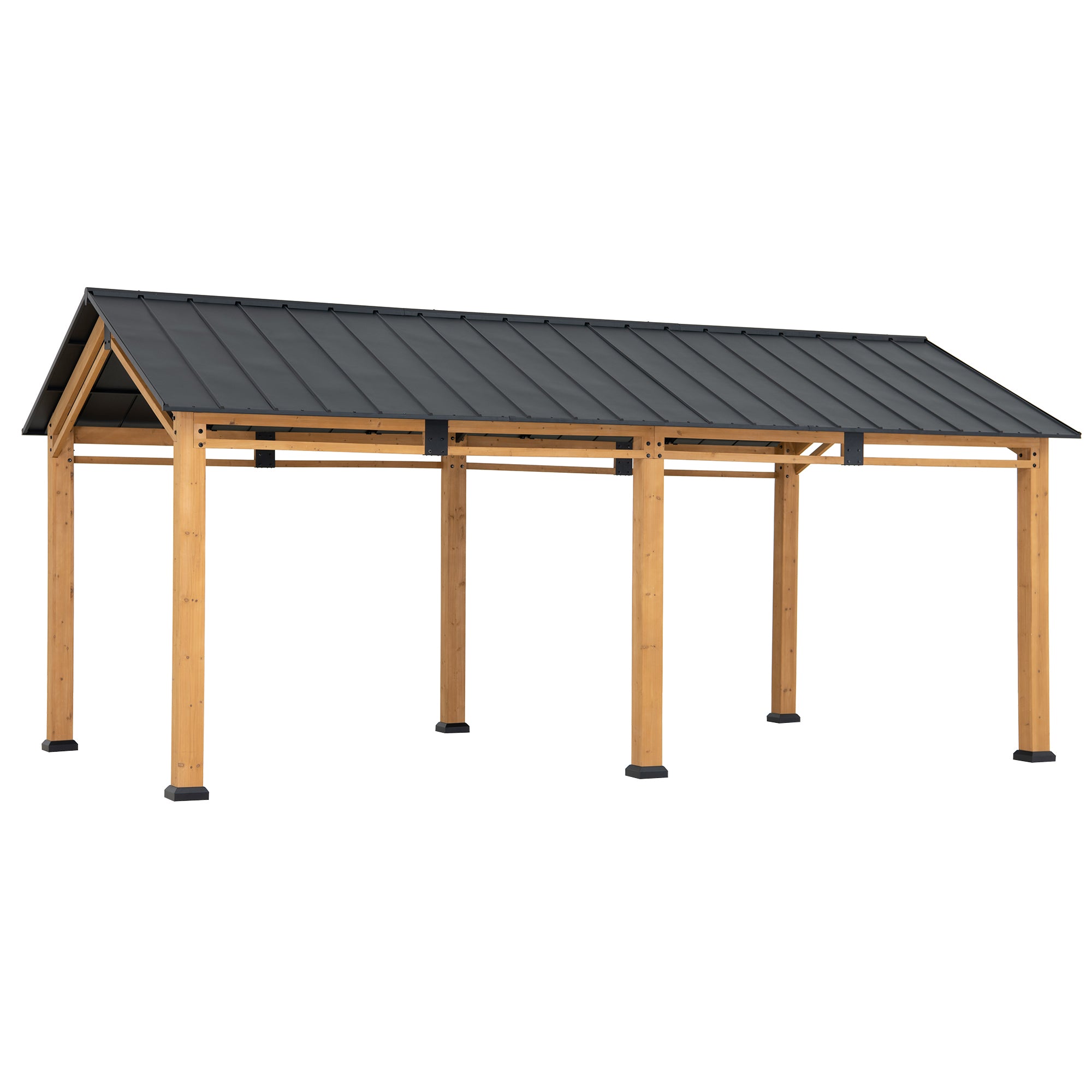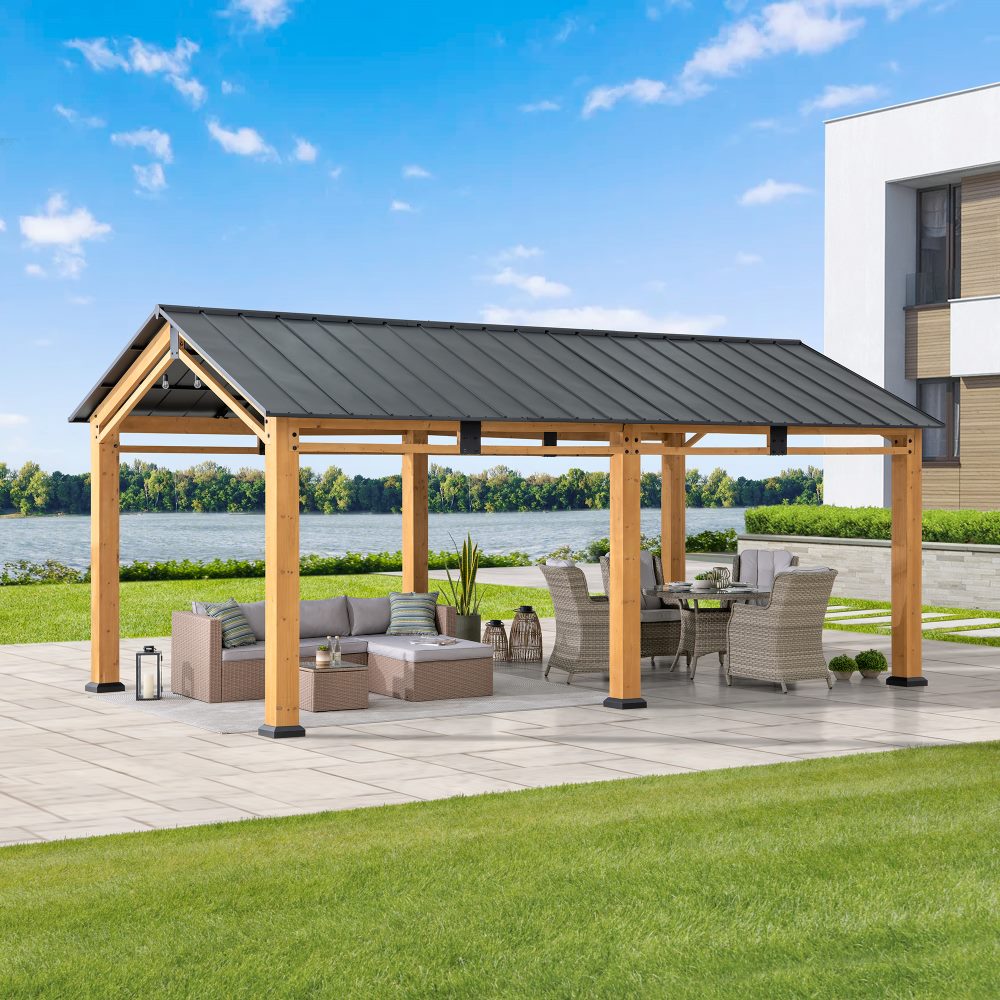
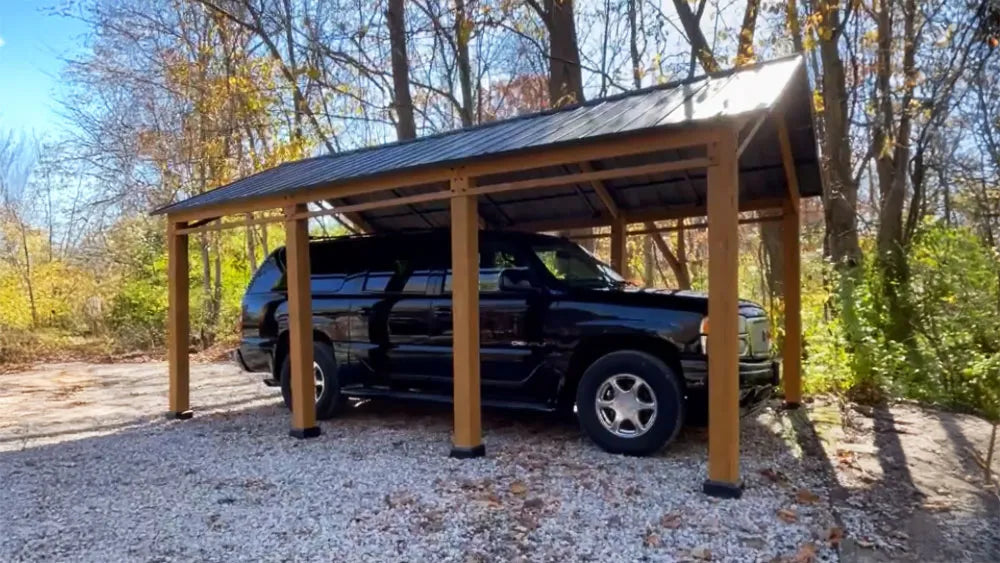
When choosing a carport, many homeowners focus on size, material, or price. But in Canada, one factor often matters more than all others combined: roof structure.
Gable roof carports and flat roof carports may look similar at first glance, but structurally they behave very differently—especially under snow load, wind pressure, and freeze–thaw cycles.
So, are gable roof carports actually stronger than flat roof carports?
The short answer is: in most Canadian conditions, yes—but the reason is structural, not cosmetic.
This guide explains why roof shape affects strength, how loads move through a carport, and when each roof type makes sense.
Clear Answer First: Which Roof Type Is Structurally Stronger?
In general:
- Gable roof carports handle snow and wind loads more efficiently
- Flat roof carports rely more heavily on material thickness and drainage
Strength is determined by load distribution, not just roof material
In climates with frequent snow accumulation and strong seasonal winds, gable roofs offer clear structural advantages.
Why Roof Shape Matters More Than Roof Material
Many buyers assume that steel vs aluminum is the main strength factor. In reality, geometry often matters more than material.
Roof shape determines:
- How snow load is transferred
- How wind pressure is distributed
- Whether water and ice can drain naturally
A strong material with poor geometry can fail faster than a lighter material with better load paths.
Understanding Load: How Roofs Carry Weight
Snow Load Is Vertical—Until It Isn’t
Fresh snow applies vertical load. But as it accumulates, melts, refreezes, or drifts, it becomes uneven and dynamic.
In Canada, snow load is rarely uniform. Wind pushes snow to one side, creating asymmetrical stress.
A roof’s job is not just to hold weight—but to move it safely into the frame and ground.
Gable Roof Carports: Why the Structure Works
A gable roof forms a triangular shape. In structural engineering, triangles are inherently stable.
Key Strength Advantages of Gable Roofs
Load Splitting
Snow weight is divided across two sloped planes instead of resting on one flat surface.
Natural Shedding
Slopes encourage snow and water to slide off, reducing long-term accumulation.
Improved Load Paths
Forces travel down the rafters into posts more directly, reducing bending stress.
Better Wind Performance
Wind flows over and around the roof rather than pushing directly against it.
These principles explain why gable roofs are common in permanent structures across snow-prone regions.
Flat Roof Carports: Where the Limitations Come From
Flat roofs are not inherently weak—but they are less forgiving.
Structural Challenges of Flat Roofs
- Snow stays on the roof longer
- Drainage depends on precise slope and maintenance
- Water pooling increases corrosion risk
- Wind pressure applies more directly to the surface
To compensate, flat roof carports often require:
- Thicker roof panels
- More internal bracing
- Higher maintenance attention
Even then, performance depends heavily on installation accuracy.
FAQ: Can a flat roof carport handle Canadian snow?
Yes—but only when designed with sufficient load rating, proper slope, and regular snow management. Gable roofs reduce the need for active intervention.
Strength Isn’t Just the Roof—It’s the Whole System
Roof shape interacts with:
- Beam design
- Post spacing
- Connection points
- Anchoring system
A gable roof carport with weak joints can still fail. Likewise, a flat roof carport with excellent engineering can perform well—but requires tighter tolerances.
Brands like SUNJOY emphasize full-system design, where roof geometry, frame strength, and anchoring work together rather than in isolation.
Wind Load: The Often-Ignored Factor
Snow gets the attention, but wind causes many structural failures.
How Roof Shape Affects Wind Stress
- Gable roofs deflect wind upward and sideways
- Flat roofs experience direct uplift forces
In winter storms, wind uplift combined with snow load creates compound stress. Roofs that shed snow and reduce uplift perform more reliably.
Ice, Water, and Freeze–Thaw Cycles
Flat roofs are more vulnerable to:
- Ice dams
- Standing water
- Repeated freeze–thaw expansion
These cycles stress fasteners and seams over time.
Gable roofs reduce exposure by encouraging runoff, which improves long-term durability.
When a Flat Roof Carport Still Makes Sense
Flat roof carports are not “bad”—they simply suit different priorities.
They may be appropriate when:
- Snowfall is light or infrequent
- Height restrictions apply
- A modern, low-profile look is required
- Maintenance access is easy
In these cases, material quality and drainage design become critical.
When a Gable Roof Carport Is the Safer Choice
Gable roofs are generally the better option when:
- Snow accumulation is common
- Wind exposure is high
- Minimal winter maintenance is preferred
- Long-term durability is a priority
For many Canadian homeowners, these conditions apply more often than not.
A Simple Decision Framework
Ask yourself:
- Do we regularly get heavy or drifting snow?
- Is the site exposed to wind?
- Do we want low winter maintenance?
If you answer “yes” to two or more, a gable roof carport is usually the stronger choice.
How SUNJOY Approaches Roof Strength
Rather than focusing on appearance alone, SUNJOY designs carports with:
- Load-aware roof geometry
- Reinforced beam structures
- Materials selected for multi-season exposure
This system-level approach is especially important in climates where weather changes rapidly.
Final Verdict: Strength Comes From Shape + Structure
So—are gable roof carports stronger than flat roof carports?
From an engineering and real-world use perspective, gable roof carports generally offer superior performance in Canadian conditions because they manage snow, wind, and water more effectively.
Flat roof carports can work—but they require more precision, more maintenance, and more attention to detail.
In regions where winter weather is a given, roof shape is not just a design choice—it’s a structural decision.
And choosing the right one can make the difference between a carport that merely exists and one that performs year after year.